Categories: Dhyana: Practical Training
May the blessings of the Triple Gem be with you all!
Welcome back to our shared space of practical spiritual practice. Today, we are reflecting on an essential guidance lesson within tranquility practice, specifically tailored to guide the mind toward higher realms of peace and the attainment known as First Jhana Meditation.
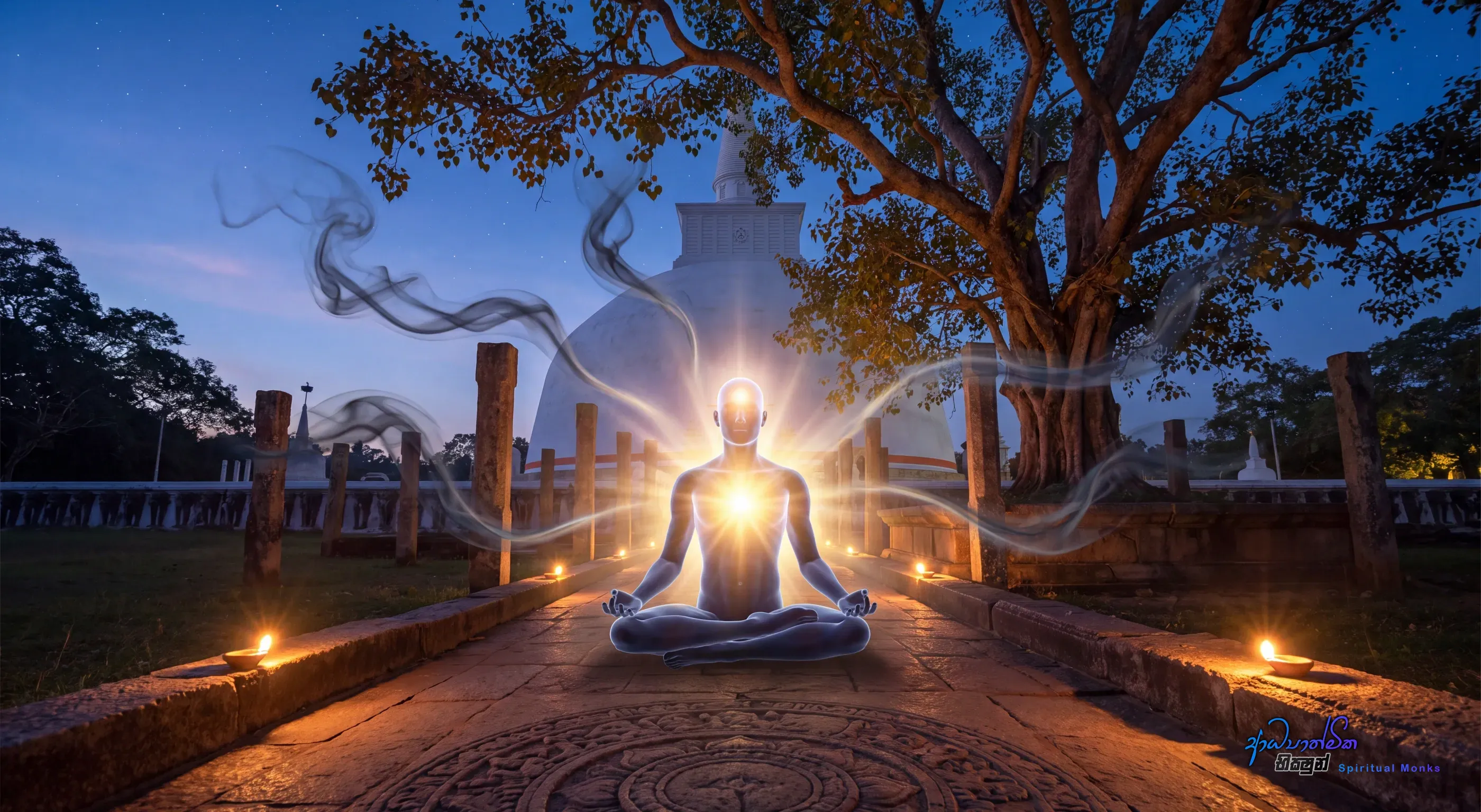
In our initial instruction on this method, we learned a simple technique to anchor our attention. You were invited to place your mental focus gently on the space between your eyebrows, the center of your forehead, or along the bridge of your nose. From that clear anchor, you make a silent resolution three times: 'May the first jhana arise.'
It is vital to understand that simply repeating a resolution once or twice will not instantly produce deep meditative absorption. However, when you repeat this intention over time, it builds powerful momentum. This mental determination strengthens one-pointed concentration, helping your thoughts align toward stillness. To support this process, we also use the silent reflection: 'May my mind become unified and focused.'
Why Progress in First Jhana Meditation Feels Delayed
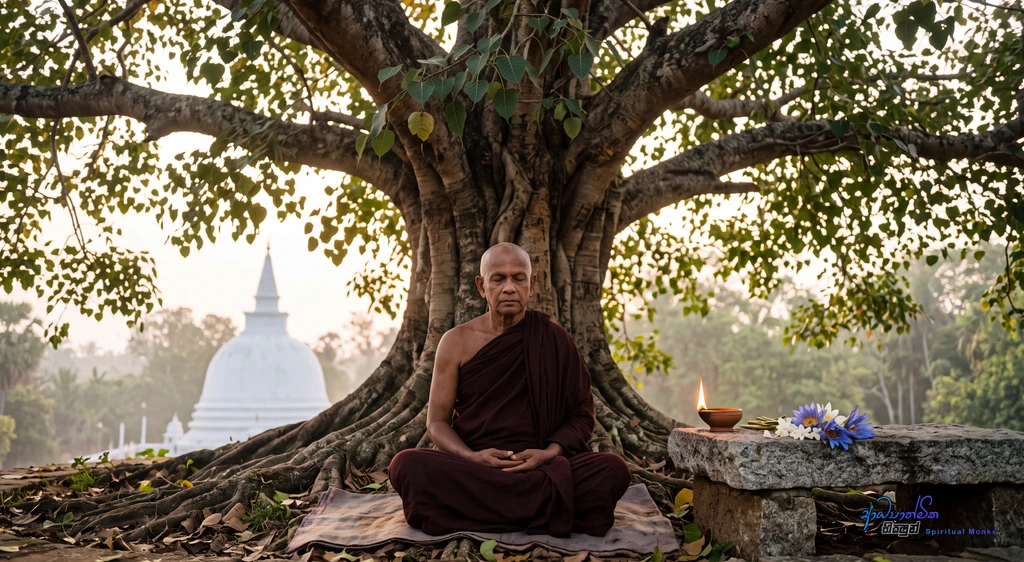
Many practitioners engage in this training regularly, yet a common question arises: Why does it take so long to experience true absorption? While some meditators share wonderful results, others feel stuck and wonder why their mental stillness remains out of reach.
To answer this from the perspective of your mind's inner working, we look to the teachings of the Buddha regarding five mental blockages. In Theravada tradition, these are known as Nivarana, or the five hindrances. These hindrances shield and cover the pristine clarity of the mind. While jhana absorption itself is not ultimate liberation, these five obstacles conceal both deep concentration and true spiritual awakening.
Let us carefully identify these five obstacles:
- Kamachanda: Sensual desire, or the continuous pull toward pleasant sights, sounds, tastes, touches, and memories.
- Vyapada: Ill-will, resentment, frustration, or subtle anger.
- Thina-Middha: Sloth and torpor, which manifest as mental heaviness, drowsiness, or boredom.
- Uddhacca-Kukkucca: Restlessness and remorse, causing the mind to jump around or worry about the past and future.
- Vicikiccha: Skeptical doubt, questioning your own capacity, the technique, or the path itself.
Recognizing Your Personal Obstacles during Practice
To move forward in your first jhana meditation practice, you must observe your mind directly while sitting. Apply gentle awareness and wisdom to inspect what is happening inside. Ask yourself: Which of these five hindrances is active right now?
This inspection applies to all forms of practical mental development, whether you are following focus techniques on the forehead, eye-center concentration, or any traditional tranquil meditation taught by respected teachers. Regardless of how long you have been practicing, reflect honestly on what interrupts your mental focus.
Are your sessions interrupted by thoughts of sensory pleasures? Do hostile thoughts or irritation disturb your calm? Are you weighed down by sleepiness, scattered by restlessness, or paralyzed by doubt? Whenever any of these five hindrances arises, one-pointed concentration breaks. When the mind is fragmented by these thoughts, you are still in the stage of training toward absorption rather than dwelling in the absorption itself.

Distinguishing Short Samadhi from True First Jhana Meditation
As you practice, you will naturally experience moments of temporary stillness. This early stage of mental composure is known as Samadhi, or concentration. You may notice brief windows lasting two, three, or five minutes where past and future drop away entirely, leaving you peacefully anchored in the present moment.
These brief quiet states are pre-jhana levels of concentration. True first jhana meditation represents the complete culmination and full fruit of samadhi. In this deep absorption state, directed thought called Vitakka and sustained evaluation called Vicara are unified entirely on the present object without distraction.
Unlike temporary quiet moments that quickly evaporate, entering actual jhana brings prolonged stability. The mind stays deeply settled for an hour or more with profound physical lightness and deep mental tranquility. If your calm breaks easily because you become lazy or lose your routine, a hindrance has secretly taken hold.

Cultivating Daily Consistency to Master the Mind
The reason many seekers experience slow progress is inconsistency. Skipping days, changing practice times constantly, or giving up when hindrances feel strong ruins mental momentum. Maintaining a regular time, whether early morning or late evening, conditions the mind to settle quickly.
Even when thoughts of desire, irritation, tiredness, or self-doubt feel overwhelming, sit continuously without skipping your routine. Through sustained practice, the force of these obstacles diminishes.
When you systematically untangle these hindrance thoughts, your mind naturally unifies. Take a moderate, balanced approach without rushing or feeling anxious. By recognizing your dominant hindrances and steadily letting them go, you will directly realize the peaceful state of first jhana meditation.
Examine your mind gently from today onward, clear away distracting thoughts, and allow deep concentration to unfold naturally.

We invite you to walk this path with us. Read our teachings, and most importantly, apply them practically in your own life. as you practice, questions will naturally arise. Please feel free to share your experiences and questions in the comments below, via email or contact form. I will do my best to offer guidance in future talks based on your progress. For now, begin this practice with an open heart and a mind free from expectation. Cultivate it correctly, and may you find the clarity and peace you seek.
Thank you for joining us. We hope this blog will be of great benefit to your spiritual journey.
May you all be well and happy.
May the blessings of the Triple Gem be with you all!