
Categories: Dhyana: Practical Training
May the blessings of the Triple Gem be with you all!
In our spiritual journey, many practitioners wonder why progress toward deep states of mental calm feels delayed. In earlier teachings, we explored the primary mental obstacles that disrupt our inner clarity. In Theravada Buddhism, these obstacles are known as the five mental hindrances, or Pancha Nivarana. These hindrances cause the mind to scatter and prevent us from experiencing true stillness. If you have not explored those foundational principles yet, reflecting on them will provide valuable context for your practice.
Before we can enter deep meditative absorption Jhana, we must gain a clear practical understanding of how to train the mind. The methods that lead to elevated spiritual states, often associated with higher heavenly realms known as Brahma Loka, are vast and varied. The subject of meditative absorption Jhana is infinite in its approaches. There is no single restrictive pathway, but rather a rich variety of practical avenues designed to refine human consciousness.

Step-by-Step Training and the Power of Determination
When beginning practical meditation training, we adopt a specific object of concentration, referred to as a Karmasthana. The initial step in this structured practice begins with a firm mental resolve, known in Pali as an Adhitthana. We gently repeat the determination three times: May the first state of meditative absorption Jhana arise in me.
Following this determination, we move to the next statement of intent: May my mind become unified and focused. This mental focus aims to produce deep mental one-pointedness, known as Cittekaggata.
For those engaging with these teachings for the first time, it is essential to follow the instructions sequentially. Spiritual development cannot be judged from a single article or isolated lesson. Practitioners who follow the step-by-step progression gain true experiential understanding, avoiding hasty conclusions or misunderstandings.

The Hidden Barrier: Mindful Sitting vs. Unmindful Wandering
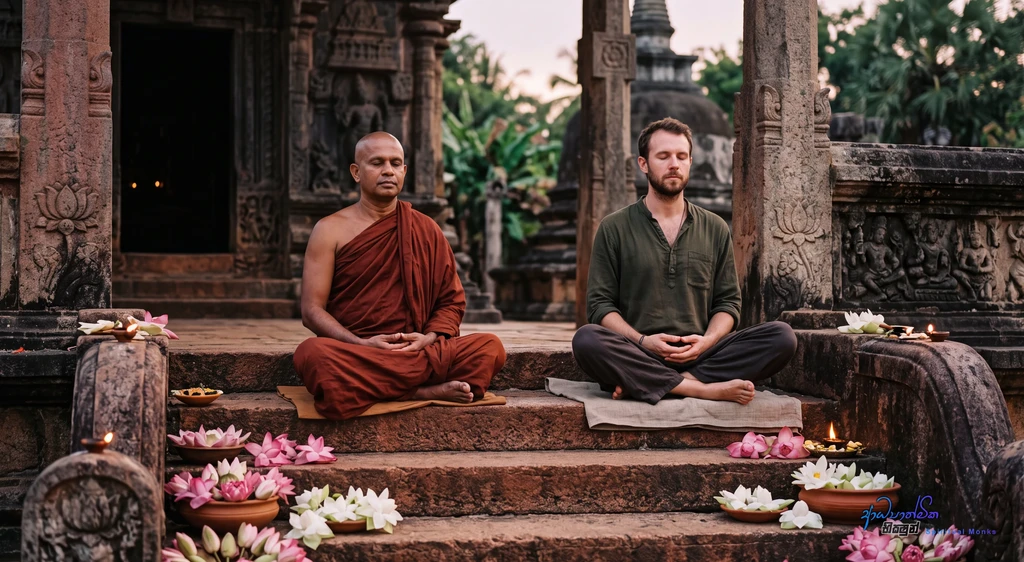
Many meditators can sit comfortably in a sitting posture for 20, 30, 40, 50 minutes, or even an hour. However, we must ask ourselves an honest question: During that entire hour, were we truly present with our chosen meditation word, or were we sitting in an unmindful state, known as Asati?
This subtle issue is one of the primary reasons why achieving meditative absorption Jhana gets delayed. For example, when repeating a sacred word such as Buddho, which refers to the enlightened qualities of the Buddha, both the posture and the word become familiar over time. Because of this familiarity, the mind easily slips into automatic pilot.
While the body remains still and the lips silently repeat Buddho, the mind wanders into memories of the past, creates future scenarios, gets entangled in random thoughts, or becomes distracted by external noises. At times, the mind sinks into drowsiness and mental fog, known as sloth and torpor or Thina-middha. Over time, what was meant to be a vibrant practice becomes a mechanical habit.
Cultivating Quality Mindfulness One Minute at a Time
To break this habit of unmindful sitting, we must prioritize present-moment awareness, known in Buddhist philosophy as Sati. The physical duration of sitting is secondary to the quality of mental presence. Sitting for an hour without awareness carries little benefit compared to spending one single minute in complete, unbroken mindfulness.
Here is a practical method to train your mind: Place your mental focus gently at the center of your forehead. Maintain full, uninterrupted presence on your meditation word, whether it is Buddho or the concept of inner stillness, for just one minute. If the mind strays after that minute, do not feel discouraged. Simply bring the mind back gently and maintain focus for another minute.
Establish a consistent daily schedule. Practice at the exact same time every day, whether at 3:00 AM, 4:00 AM, 5:00 AM, or a fixed evening time. By relying on the truth of one genuine minute of mindfulness, your focus will naturally expand to two minutes, then three minutes, building authentic spiritual strength through energetic effort, known as Viriya.
Balancing the Five Spiritual Powers and Auxiliary Practices
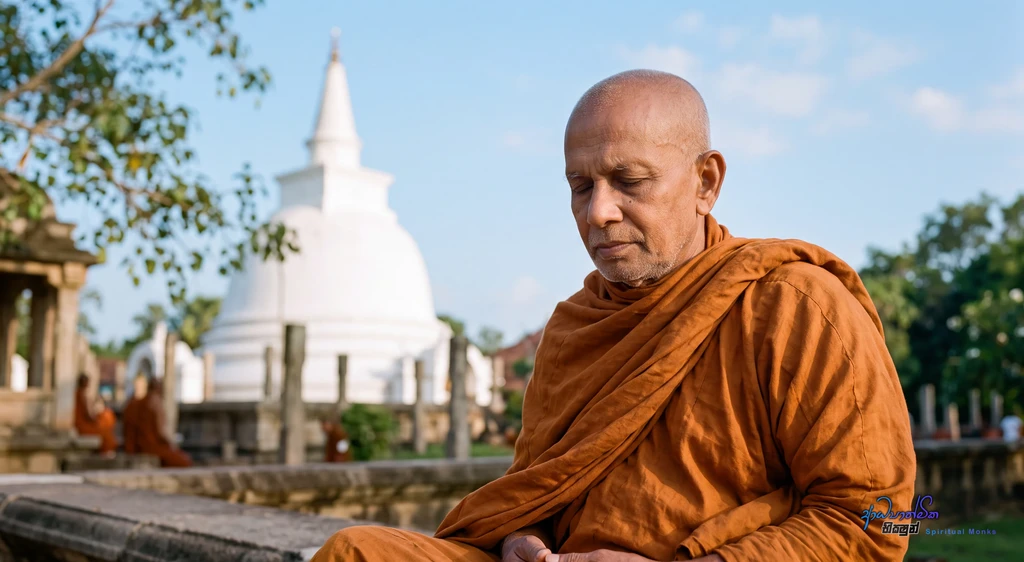
In Theravada teachings, successful meditation relies on balancing five fundamental faculties within the thirty-seven factors of enlightenment, known as Bodhipakkhiya Dhamma. These five spiritual powers are known as Pancha Bala:
- Faith or devotion, known as Saddha
- Energetic effort, known as Viriya
- Mindfulness, known as Sati
- Concentration, known as Samadhi
- Wisdom or experiential insight, known as Panna
These five faculties must be maintained in equal balance. If effort exceeds concentration, restlessness occurs; if concentration exceeds effort, drowsiness takes over. Continuous mindfulness oversees and balances all five powers.
To support your progress toward meditative absorption Jhana, complementary practices are highly recommended. Performing devotional recollections, known as Vandana, before meditating settles the mind. If you experience subtle environment disruptions or unseen mental agitation, chanting protective verses such as the Ratana Sutta seven times creates a harmonious atmosphere. This mindful framework applies to all meditation subjects, including loving-kindness practice, known as Metta, and bodily contemplation, known as Asubha.
Integrating Meditation Focus into Daily Life and Growth
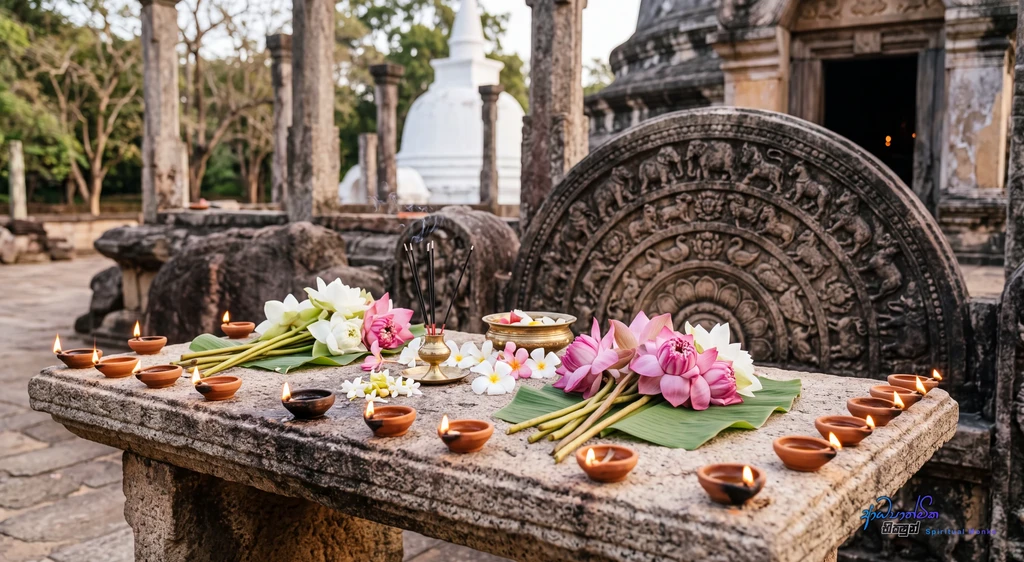
Consistency is critical when training the mind. Before reaching a stable level of mental mastery, halting practice causes the mind to lose its ground, requiring us to rebuild momentum. Once full meditative absorption Jhana is attained, the mind rests securely in peace, losing focus only if practice is abandoned or if sensory desires, known as Kama-chanda, overcome awareness.
This rigorous training offers meaningful real-world benefits:
- Students at school or university gain heightened concentration for studying and exams.
- Professionals and business owners overcome scattered thinking and make clear decisions.
- Writers, singers, and artists access deep mental focus necessary for creative reflection.
- Parents can teach children foundational focus, providing them with emotional stability for the future.
The ultimate target of this practice is sustaining unified focus, or Cittekaggata, for 10, 20, 30, or up to 60 minutes. Reaching this milestone directly opens the doorway to the first meditative absorption Jhana and spiritual freedom.

We invite you to walk this path with us. Read our teachings, and most importantly, apply them practically in your own life. as you practice, questions will naturally arise. Please feel free to share your experiences and questions in the comments below, via email or contact form. I will do my best to offer guidance in future talks based on your progress. For now, begin this practice with an open heart and a mind free from expectation. Cultivate it correctly, and may you find the clarity and peace you seek.
Thank you for joining us. We hope this blog will be of great benefit to your spiritual journey.
May you all be well and happy.
May the blessings of the Triple Gem be with you all!