Categories: Other Meditation Teachings
May the blessings of the Triple Gem be with you all!
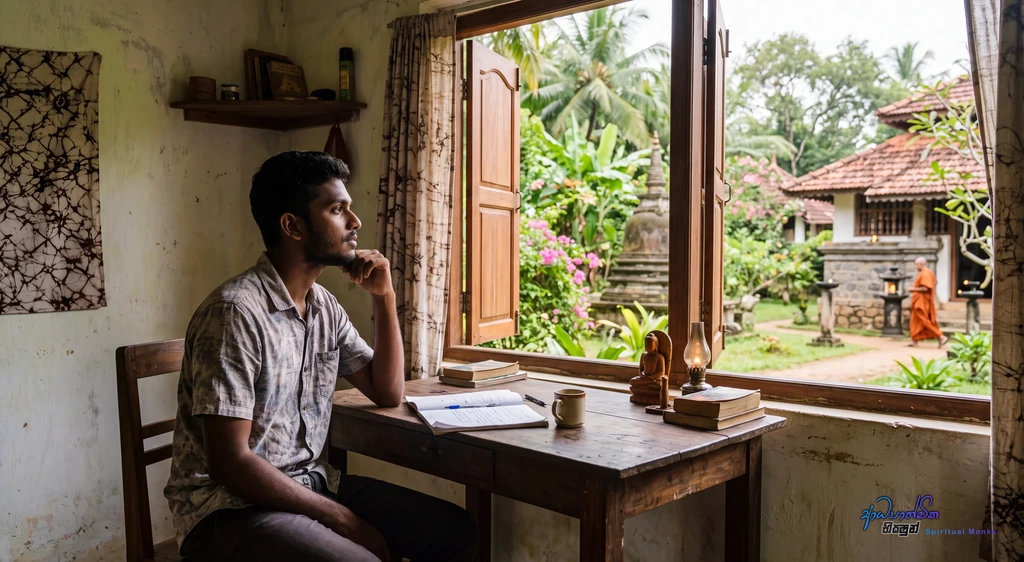
Welcome to our shared spiritual path. Today, we address a vital issue that affects many individuals in silence: the intense mental pressure of compulsive desires and unyielding negative emotions. Many young men and women write to us sharing their deep struggles. They mention being caught in excessive self pleasure, sometimes engaging in it up to seven times a day, or spending two to three hours glued to adult content on their smartphones. This obsessive habit drains their mental clarity, ruins their ability to focus on their studies or work, and destroys their inner confidence.
It is essential to understand this clearly without hasty conclusions. We are not saying that every single thought of desire or anger is caused by invisible spirits. In Theravada Buddhist philosophy, the three unwholesome roots known as Lobha (greed or attachment), Dosa (ill will or hatred), and Moha (delusion) exist within every unawakened mind. A normal level of physical desire, driven by bodily hormones and natural human instincts, is an ordinary part of living in the world and sharing life with a partner. However, when desire turns into an overwhelming addiction that dominates your daily routine and forces you into relentless isolation, there can be a deeper unseen influence at play.
The Unseen Realm and the Nature of Desiring Spirits
In Theravada teachings, there is a core universal truth stated by the Buddha: Sabbe Satta Ahara Tthitika, which means that all living beings subsist and survive on nourishment. While humans consume physical food, entities in the subtle realms depend on different forms of energy for their survival.
When individuals spend their human life obsessed with intense physical lust and pass away with minds fixated on sensory attachment, their final thought moment leads to rebirth in lower realms as subtle spirits, such as Peta (hungry ghosts) or Yaksha (intense nature spirits) that are bound by lust. These entities cannot generate their own physical energy, so they seek out human surroundings to feed upon raw energies, including bodily fluids like semen, secretional discharges, sweat, saliva, and mucus.
Those who have developed spiritual vision, known as Dibba Cakkhu (the divine eye or heightened spiritual insight), can observe how these unseen entities gather around vulnerable individuals. If a person naturally has a minor inclination toward lust, perhaps twenty to thirty percent, these spirits amplify those thoughts to eighty or ninety percent, making the compulsion feel completely irresistible.
Spiritual Solitude Versus Negative Isolation
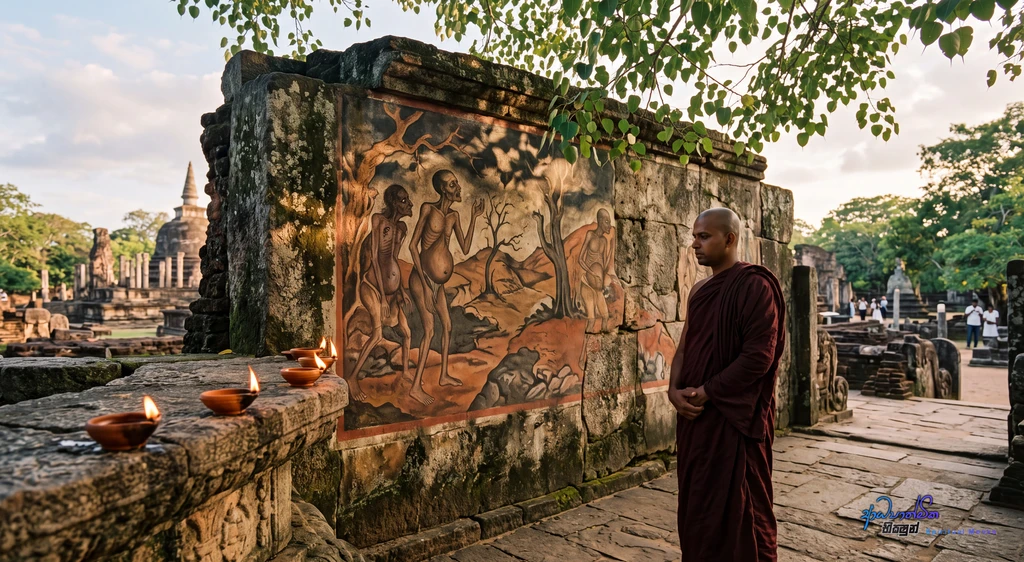
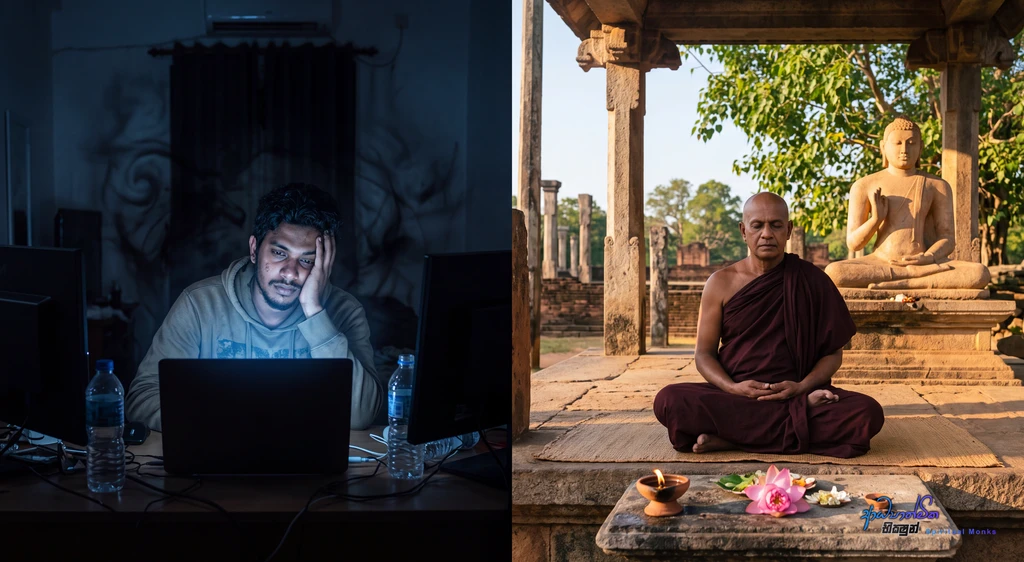
We must carefully distinguish between wholesome spiritual solitude and harmful negative isolation. In true spiritual development, a practitioner seeks quiet, solitary environments to cultivate peace, practice celibacy known as Brahmacariya, and elevate the mind through meditation. This type of quietness brings clarity and joy.
In contrast, unseen entities push individuals into unhealthy isolation. They encourage people to lock themselves in rooms with laptops, phones, or tablets, submerging them in explicit media. Unlike heavy human physical bodies that tire quickly, subtle entities do not experience physical fatigue. They apply continuous mental pressure, much like the subtle forces that continuously attempted to disturb Prince Siddhartha before his enlightenment and followed the Buddha throughout his life.
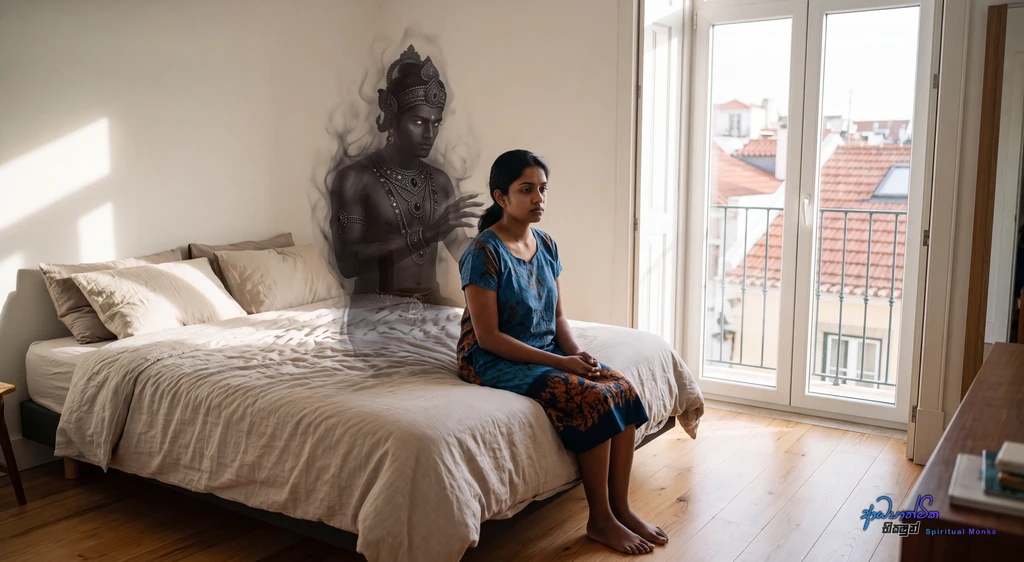
Furthermore, these spiritual attachments can confuse a person's natural orientation. For instance, if a female spirit who retains an attraction toward men attaches itself to a young man, her lingering desires can cause him to feel confused attractions toward other men. Similarly, male spirits attached to female hosts can cause distorted desires. These subtle dynamics lead to deep personal confusion unless cleared through dedicated practice.
Unseen Beings of Hatred, the Black Prince, and Charms
This phenomenon is not limited to lust; it applies equally to intense anger and hatred. There is an ancient story from the Buddhist commentaries regarding an anger eating demon who sat upon the throne of Sakra, the king of devas. When the lesser deities cursed at the demon, the entity grew larger and more powerful by feeding on their harsh words. However, when Sakra returned and spoke words of gentle praise and respect, the demon shrank until it vanished completely. Unseen anger entities thrive on hostility and conflict.
Similarly, in Sri Lankan cultural tradition, there are references to entities like Kalu Kumara (the Black Prince spirit). This term does not refer to a single individual, but rather a class of lustful spirits. When young women reach puberty, these entities pick up on their energetic frequency. If the girl is isolated, the spirit attempts to entangle her mind, driving her toward compulsive self pleasure, blocking suitors, and sabotaging potential marriages.
In other instances, people seek unethical charms or black magic remedies using items like hair strands, fingernails, or clothing threads to force someone's affection. These practices bind lust bound spirits to the victim, resulting in physical illness, fading radiance, and long term suffering. We strongly advise everyone to avoid such harmful practices completely.
The Reality of Merit Transfer and the Trap at Death
Many people wonder why they cannot simply transfer merit to eliminate these unseen spirits. In Theravada doctrine, among the twelve classifications of hungry spirits, only one specific class, known as Paradattupajivika Peta, can actively receive shared merits. Most other earthbound spirits must exhaust their heavy unwholesome karma over long periods.
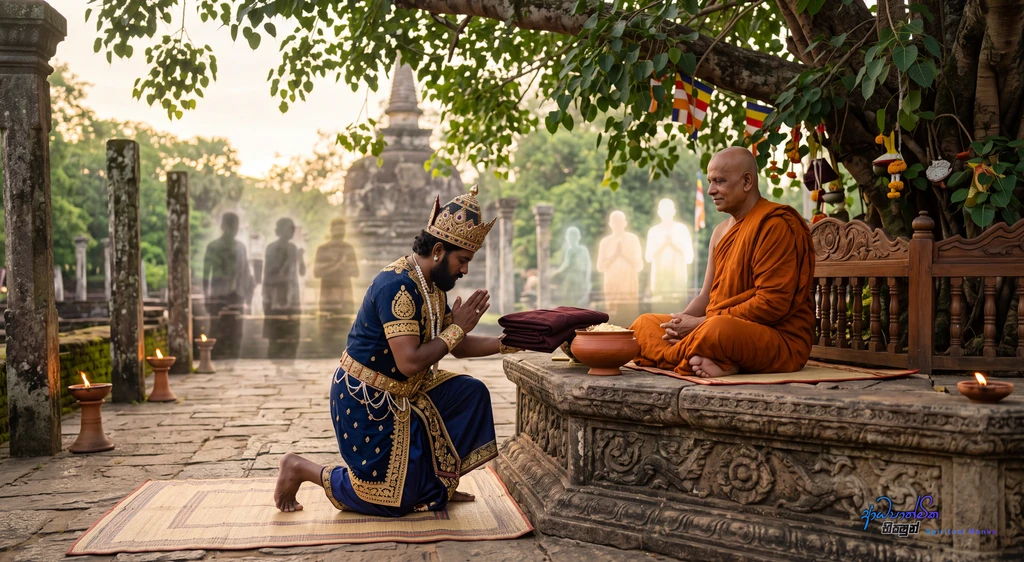
Consider the historical account of King Bimbisara. When his departed relatives appeared in distressing conditions, he offered robes and food to the Sangha led by the Buddha, dedicating the merit so those spirits could attain refined forms and clothing. However, ordinary earthbound spirits often remain trapped in their habits.
If an individual lives a life dominated by extreme lust or anger, surrounded by these entities, these very forms will appear at the moment of death. Fixating on those negative perceptions at the final moment causes rebirth directly into those same spirit families. It is crucial to clean your mental environment long before that final moment arrives.
The Practical Remedy: Daily Practice of Ratana Sutta Spiritual Protection
To break free from these subtle ties and restore peace to your home and mind, you must engage in personal spiritual effort using Ratana Sutta Spiritual Protection. You do not need to spend money or rely on external rituals. You can achieve complete protection through your own sincere practice.
Here is the step by step daily practice:
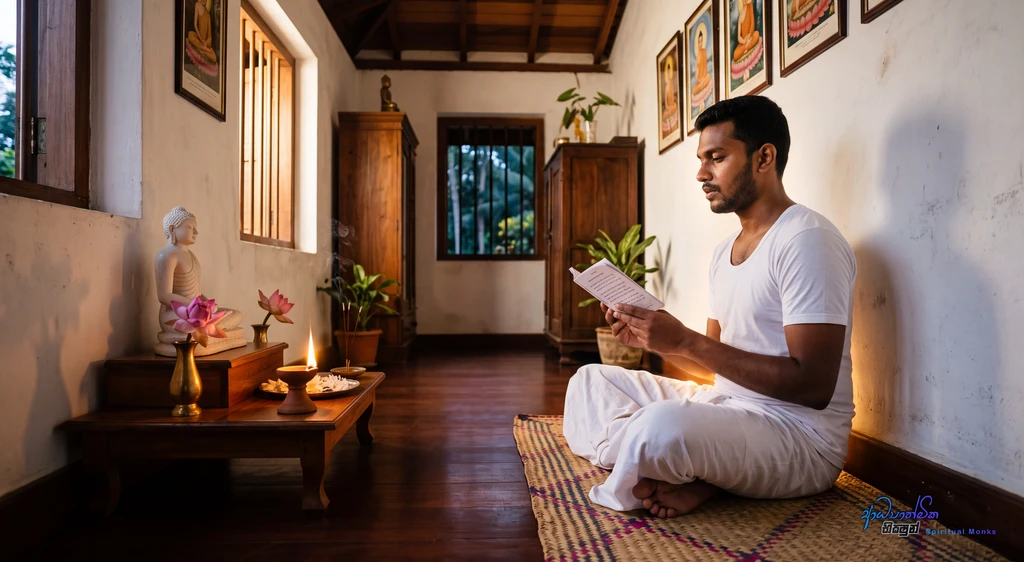
- Obtain a standard Sri Lankan Buddhist chanting book or a digital PDF copy of the protective chants known as Paritta.
- Recite the Ratana Sutta exactly seven times every morning and seven times every evening.
- If time allows, recite the full protective discourse set, including the Maha Mangala Sutta and Karaniya Metta Sutta, alongside the sevenfold Ratana Sutta recitation.
- Prepare a clean bowl of water in front of you while chanting to create blessed water, then sprinkle it around your room, home, and garden limits.
- Tie a blessed protective thread, known as Pirith Noola, around your wrist or neck once a week.
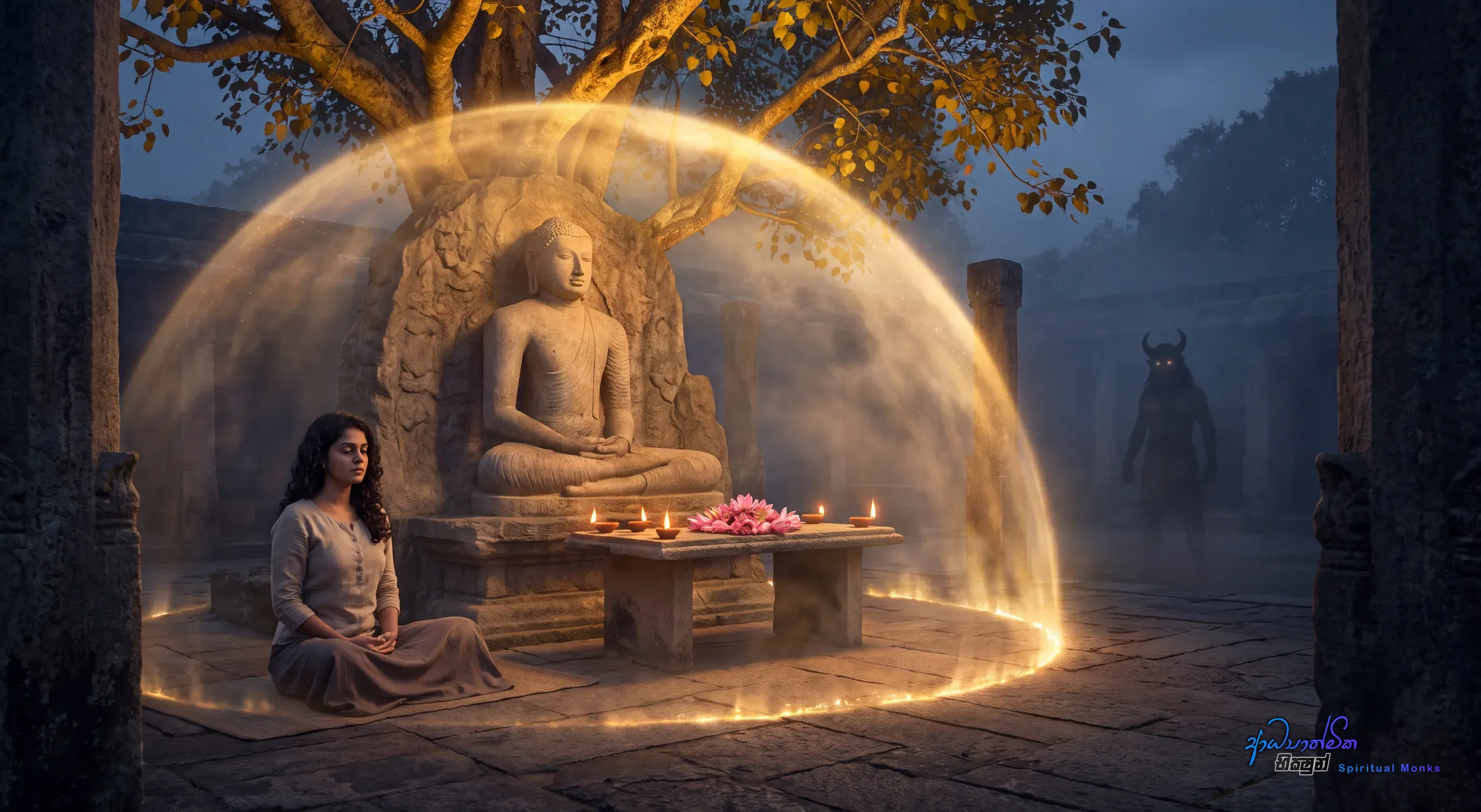
The Ratana Sutta is an authentic declaration of truth uttered by the Buddha himself in the city of Vesali to dispel disease, spirits, and famine. When you chant it repeatedly, it establishes a powerful spiritual boundary around your dwelling that subtle entities cannot cross.
Navigating Initial Obstacles and Establishing a Lifelong Commitment
When you begin this Ratana Sutta Spiritual Protection practice, you may experience a temporary surge in lust, anger, fear, or domestic friction. Do not be discouraged or stop your practice! When a defensive line is established, the intruding forces make a final aggressive push before retreating. Stopping out of fear is a mistake. Continue chanting through any discomfort, and within three to seven days, you will feel a marked relief.
Commit to an unbroken resolution, known as an Adhisthana, for twenty one consecutive days. Once these twenty one days are complete, make this sacred chant a permanent lifetime habit every morning and night. Whether you are at home, traveling, or in unfamiliar surroundings, this boundary will protect you.
This practice is universal. Whether you identify as Buddhist, Catholic, Muslim, or Hindu, anyone who can read the text phonetically can apply this method and reap its full benefits. As your mind clears, your ability to focus on your studies, career, and meditation practice like Asubha Bhavana (reflection on the non attraction of the physical body) will naturally flourish.
Additionally, you may continue offering light to Gambhara Deva with pure intentions to maintain positive spiritual harmony in your living space.
We invite you to walk this path with us. Read our teachings, and most importantly, apply them practically in your own life. as you practice, questions will naturally arise. Please feel free to share your experiences and questions in the comments below, via email or contact form. I will do my best to offer guidance in future talks based on your progress. For now, begin this practice with an open heart and a mind free from expectation. Cultivate it correctly, and may you find the clarity and peace you seek.
Thank you for joining us. We hope this blog will be of great benefit to your spiritual journey.
May you all be well and happy.
May the blessings of the Triple Gem be with you all!