Categories: Other Meditation Teachings
May the blessings of the Triple Gem be with you all!
In this human existence, whether we reflect on our present life or our spiritual journeys across past lives, there is one constant pursuit that unites us all. From the moment we are born, we are continuously searching for something profound. As children, we do not know complex academic or spiritual vocabulary, yet our underlying drive is simple: we are dedicated to finding true inner happiness.
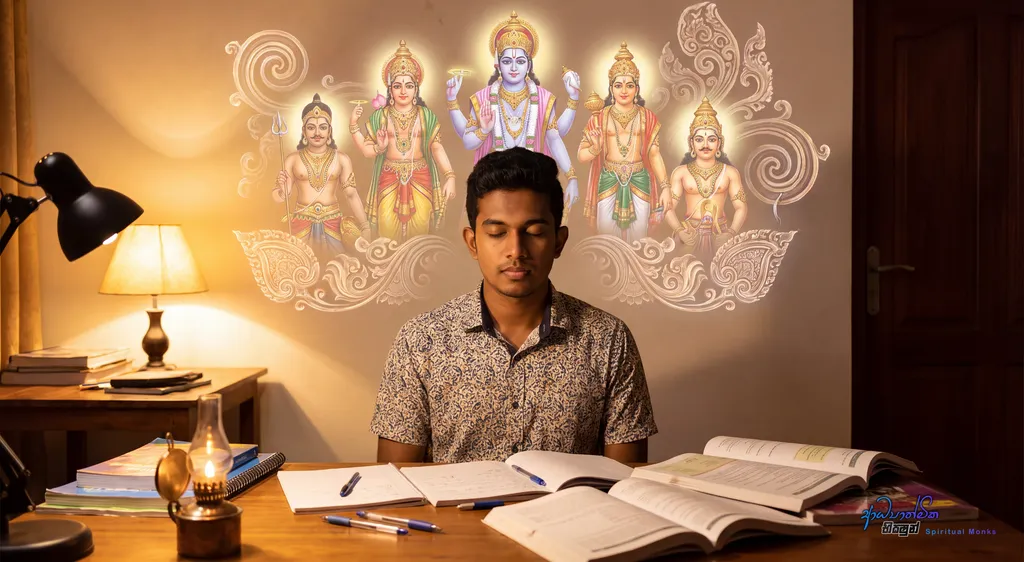
Think back to early childhood. We looked for joy in simple toys, remaining close to our mothers, and drinking mother's milk as infants. As we grew older, society directed our efforts toward structured achievements. In school, passing the O/L examinations brought a sense of accomplishment, especially when seeing older siblings succeed. Later, passing the A/L examinations, getting selected for university, and earning a degree became the next milestones where we hoped satisfaction resided.
Beyond formal education, we pursue this same fulfillment through business ventures, earning money, and gathering material possessions. We seek beautiful vehicles, spacious homes, land, and attractive life partners. Even in our routine daily moments, we are constantly seeking refreshment. Taking a warm bath after sweating, eating a pleasant meal, traveling on a vacation, speaking a few kind words with a neighbor, making phone calls, or chatting on social media are all subtle attempts at finding true inner happiness. Every action we take is driven by this deep desire for mental satisfaction.
The Limits of External Pursuits and Surrendering to External Forces
To finance this endless search, people engage in exhausting labor, working long hours in demanding careers. Some earn money honestly, while others choose dishonest paths, yet both are attempting to buy peace. However, material satisfaction is often brief, money runs out, or time fails us, leaving us feeling deeply unfulfilled. This chronic state of life dissatisfaction is what the Buddha described as a fundamental aspect of existence, known as Dukkha, or the persistent feeling of stress and unsatisfactoriness.
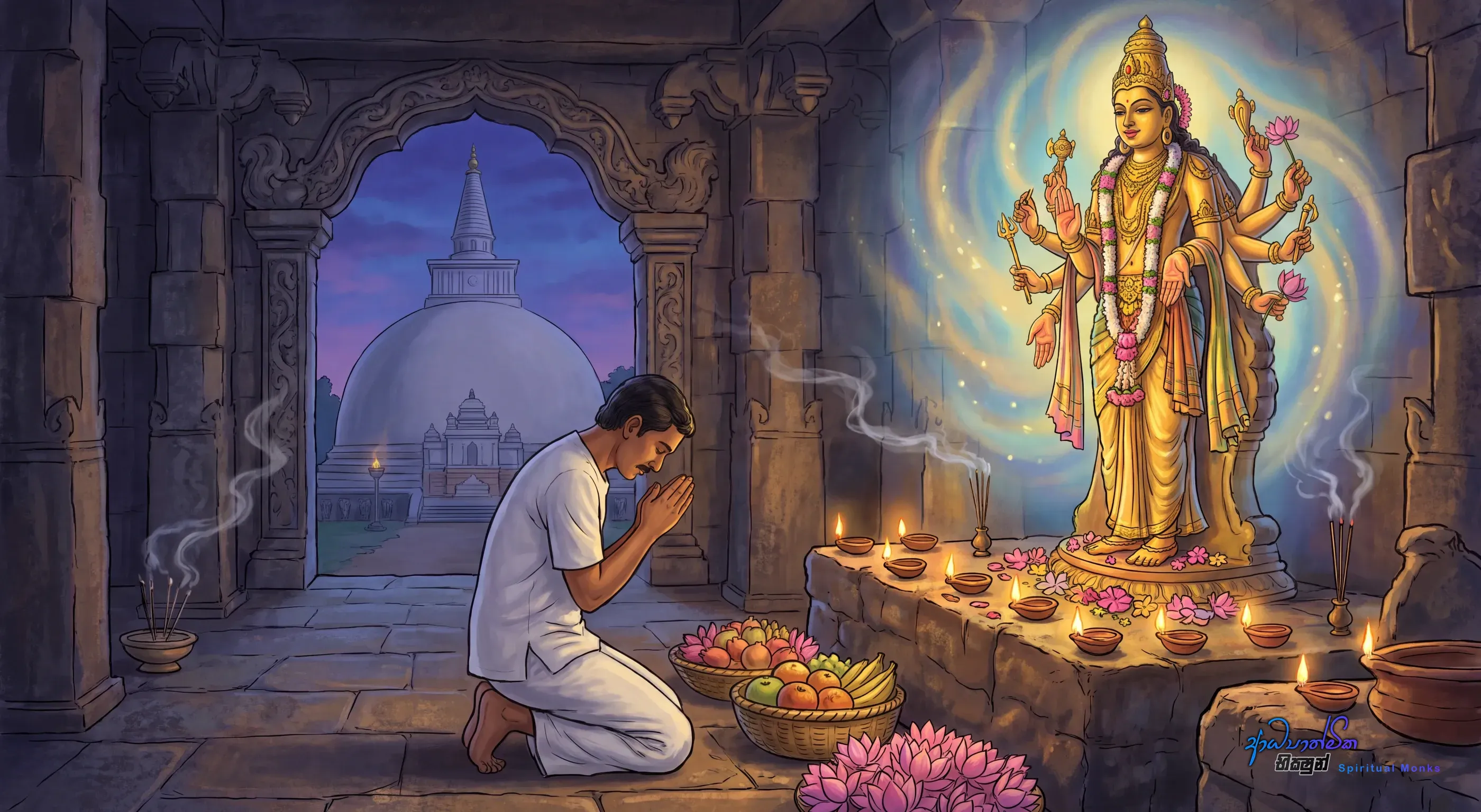
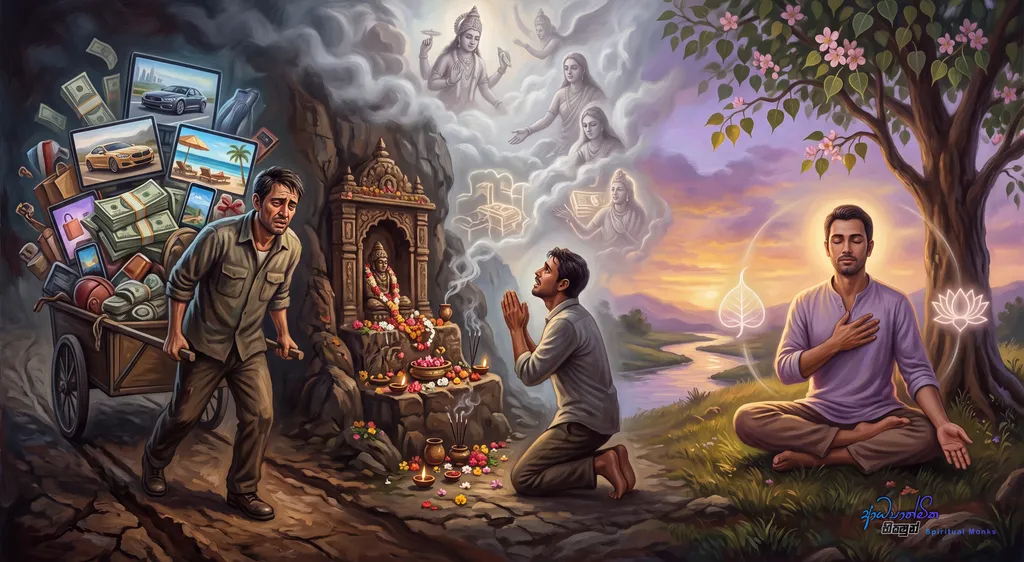
When material pursuits prove insufficient, many people turn outward to unseen forces, searching for deities or divine intervention to secure their well-being. People visit shrines, known in Sri Lanka as devalas, or pray to an almighty god, asking for the very same worldly comforts they have seen on television, radio, or social media, such as luxury cars, financial wealth, sensuality, and overseas travel. When these desires remain unfulfilled in youth, people often project their hope onto the afterlife, assuming complete peace awaits them after death.
Yet, we must ask ourselves an honest question: if you are twenty, thirty, or forty years old today, must you spend the next thirty or forty years enduring mental distress while waiting for peace after death? Placing your well-being entirely in external or unseen hands while enduring decades of living distress creates immense mental friction. This contemplation is not an endorsement of ending one's life, as harm never yields peace. Instead, it invites us to question whether external reliance is truly the correct path toward finding true inner happiness.
Unveiling Nature's Grand Illusion: Avidya and Moha
The core problem lies deep within our minds, masked by what the Buddha identified as ultimate spiritual ignorance, known as Avidya, and deep mental delusion, called Moha. This is not a reference to physical Western science, but a profound spiritual truth regarding how the mind misinterprets reality. Nature presents us with a captivating illusion, convincing us that peace must be gathered through our five physical senses: the eyes, ears, nose, tongue, and physical body.
We are tricked into believing that if external sensory objects fail us, we must beg external gods for help. This spiritual illusion acts like tinted glasses, distorting how we view existence. In difficult economic, social, and political times, such as the heavy burdens faced by middle-class and working families in Sri Lanka, life can feel like an inescapable burden, or niraya, meaning hellish suffering. The pressure of raising children, maintaining jobs, and managing household expenses leads many to express a desire to renounce worldly life and become monks.
Even secular individuals who once proudly asserted that gods, spirits, or unseen forces do not exist, often find themselves standing at the front of shrine queues when crushed by financial or personal distress. Driven by desperation, people will try anything in their quest for relief. Yet, blindly chasing external solutions keeps us trapped in a cycle of disappointment, preventing us from finding true inner happiness where it actually resides.
The Bodhisatta's Insight: Turning Inward for Wisdom
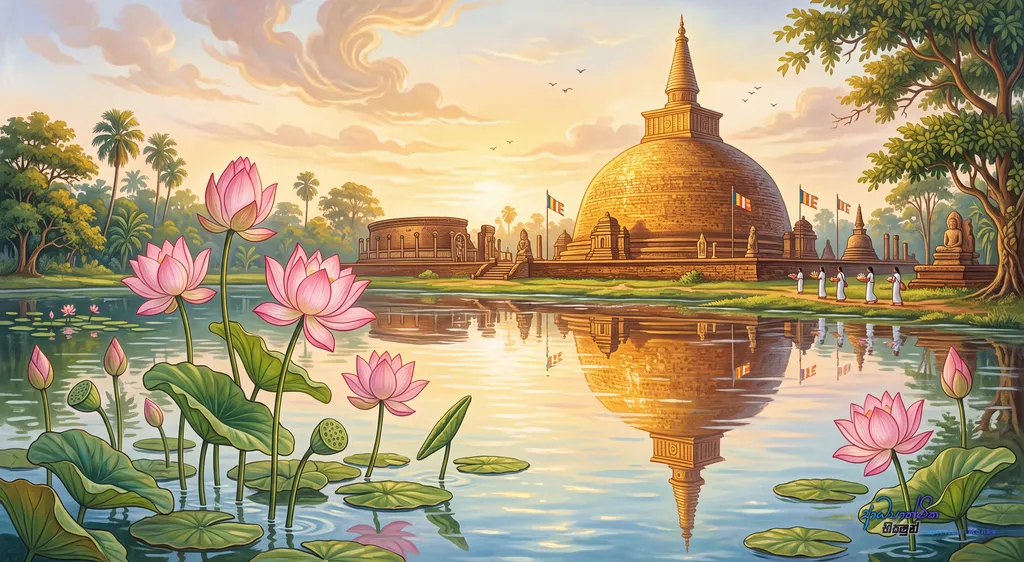
Long ago, Prince Siddhartha, the Great Bodhisatta, recognized this subtle trap. He realized that relying on external sensory inputs and surrendering personal peace to external entities was a misleading path. He understood that the sensory information provided by his eyes, ears, nose, tongue, and body was incomplete and deceptive. Importantly, he did not blind his eyes, deafen his ears, or mutilate his body. Instead, he cultivated deep spiritual wisdom, known as Panna, to stop being fooled by incoming sensory signals.
The Bodhisatta realized a revolutionary truth: reality and liberation are located within this fathom-long body and mind. He withdrew his mental fixation from external sensory objects and turned his attention inward to investigate the mind itself. Consider where every worldly joy, pleasant conversation, delicious meal, or answered prayer is actually experienced. It is never experienced in the external object itself, but right inside your own heart and mind.
Every external experience ultimately converges inside you. If the entire experience of life takes place within your own awareness, then the key to finding true inner happiness must be located within your own mind, rather than scattered across the outside world.
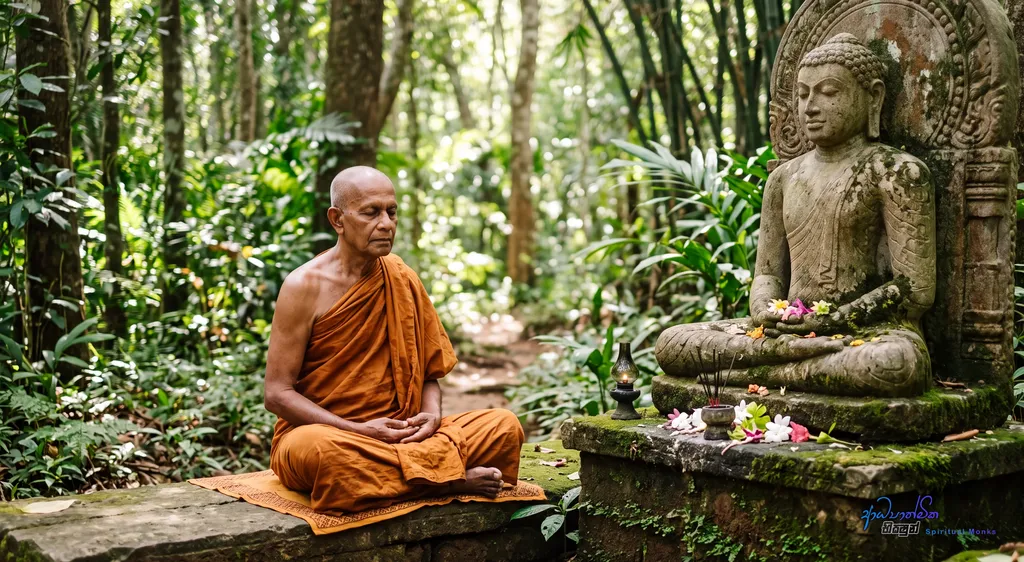
Realizing Lasting Peace Within Your Own Mind
By turning his awareness inward, the Bodhisatta attained Supreme Enlightenment, becoming the Buddha. He delivered this timeless message to his first five monk disciples, guiding them to look inward rather than chasing external sensory illusions. They understood his teaching, attained complete spiritual liberation, known as Nibbana, and shared this wisdom with others. Preserved for over 2,500 years within the sacred Tipitaka scriptures, this profound Dhamma teaching continues to be taught by Theravada Buddhist monks today.
Why hand control of your internal state over to external beings who themselves are subject to impermanence and the universal laws of nature? Relying on invisible entities for inner peace is one of nature's greatest illusions. True contentment cannot be granted by external forces; it is cultivated through direct, mindful understanding of your own thoughts and emotions.
Reflect deeply on this realization in your daily life. Understand that finding true inner happiness is not about searching far away or waiting for the future, but about discovering the quiet purity already present within your mind. May you practically apply these teachings and experience genuine peace.
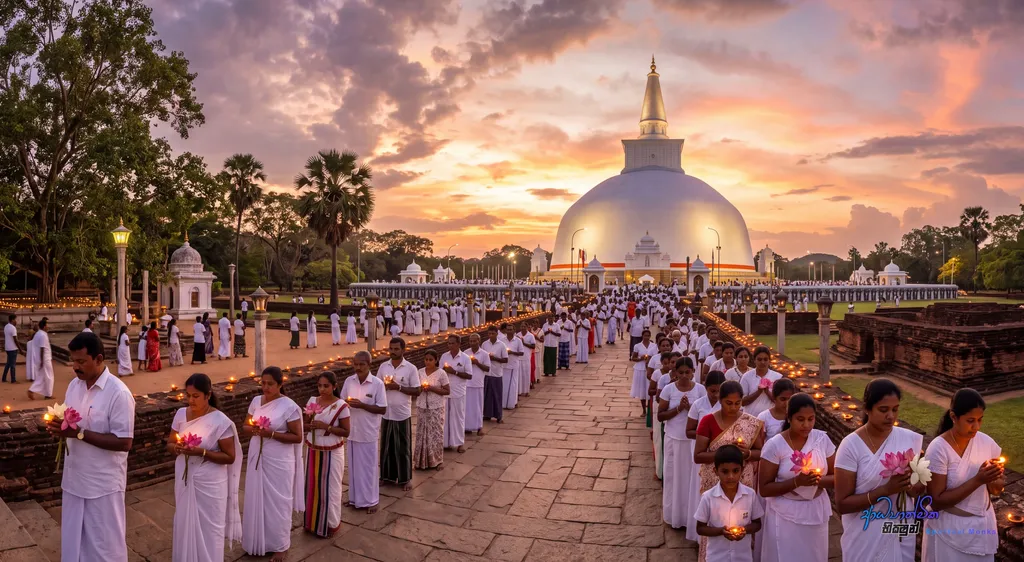
We invite you to walk this path with us. Read our teachings, and most importantly, apply them practically in your own life. as you practice, questions will naturally arise. Please feel free to share your experiences and questions in the comments below, via email or contact form. I will do my best to offer guidance in future talks based on your progress. For now, begin this practice with an open heart and a mind free from expectation. Cultivate it correctly, and may you find the clarity and peace you seek.
Thank you for joining us. We hope this blog will be of great benefit to your spiritual journey.
May you all be well and happy.
May the blessings of the Triple Gem be with you all!