Categories: Other Meditation Teachings
May the blessings of the Triple Gem be with you all!
It is a deep joy to connect with you once again through these written teachings. You can explore our collection of spiritual Dhamma articles available on our official websites, offered in both Sinhala and English for seekers across the world. Additionally, the sacred Sambuddha Vandana devotional handbook is accessible for download as a PDF resource through our primary digital library links.
In our previous teachings, we explored how one encounters karmic connections while meditating. Many practitioners found immense clarity from those reflections, helping them balance their modern lives with authentic spiritual practice. Today, we delve into a deeper and distinct perspective concerning the companion you encounter on your spiritual path. We often hear people ask about finding a spiritual partner in Buddhism, a bond formed across lifetimes. This article aims to offer profound guidance on understanding these samsaric companions without falling into spiritual traps.
The Danger of Searching for a Samsaric Companion in Meditation
When you begin a genuine spiritual life, you must never embark on meditation with the specific desire to find a companion. Seeking a spiritual partner in Buddhism through personal longing creates a severe spiritual distortion. In modern terms, people often use labels such as twin flame or samsaric soulmate. If you approach meditation with this narrow, worldly intention, your practice becomes insincere.
This insincerity stems from unwholesome greed, known in Theravada teachings as Lobha, mixed with sensual passion, referred to as Rāga. When you harbor a hidden worldly goal while pretending to seek inner liberation, nature responds accordingly. As a natural result of intentional action, which Buddhism calls Kamma, you will attract a companion who destroys your spiritual growth. The danger is not physical harm, but the total downfall of your meditative progress. Deceiving your own heart during meditation invites karmic consequences that derail your spiritual journey.
How Genuine Spiritual Companions Meet in Samsāra
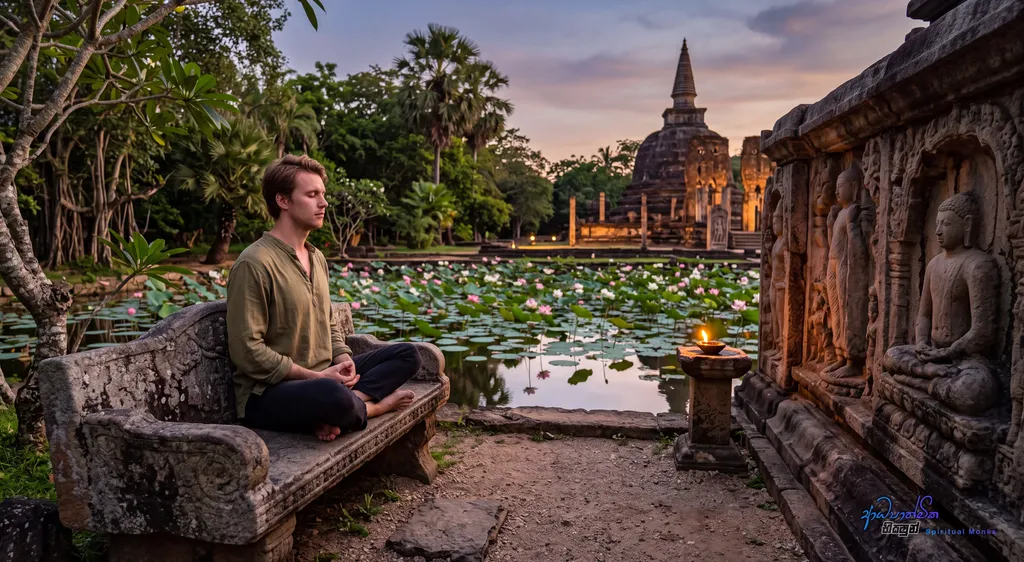
When you practice meditation sincerely without worldly expectations for months or years, a profound inner transformation occurs. You become naturally tranquil, gentle, and peaceful. This inner stillness becomes visible to the outside world as quiet grace and simplicity.
If you share a past spiritual vow across the cycle of rebirths with a specific companion, the cosmic law of Kamma naturally brings you together. Whether living nearby, residing overseas, connecting through modern media, or meeting at a retreat center, an unexpected encounter occurs. They perceive you not with ordinary attraction, but as a unique, deeply peaceful presence.
If you have cultivated higher spiritual knowledges, known as Abhiññā, your intuitive wisdom instantly recognizes this person. Even if your companion has not yet fully committed to intensive meditation, they will possess a natural devotion to righteousness and Dhamma. When past vows of fulfilling spiritual perfections, known as Pāramitā, align with wholesome actions, nature seamlessly arranges this meeting.
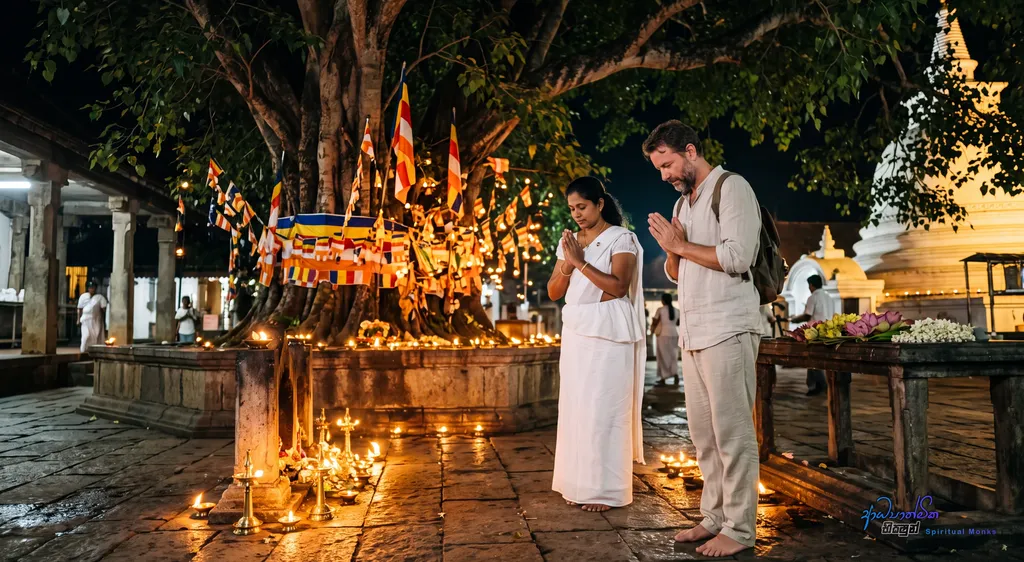
The Ultimate Test of a True Spiritual Relationship
The defining characteristic of an authentic spiritual partner in Buddhism is that the connection never hinders spiritual practice. If a relationship leads to constant conflict, distress, or spiritual decline, it is not a genuine samsaric bond. Instead, it is merely a illusion caused by temporary emotional defilements.
Throughout Buddhist heritage, as recorded in ancient scriptural commentaries, noble companions walked together toward ultimate peace. Consider the lay lives of Venerable Maha Kassapa and Bhadda Kapilani, who shared lives dedicated to purity. A genuine partner actively supports your practice. If your companion wishes to focus on deep reflection or adopt a celibate lifestyle, known as Brahmacariya, a true partner never pressures them, demands worldly luxury, or creates obstacles.
In traditional eastern cultures, family members often exert pressure regarding marriage and children. However, a true spiritual companion understands the higher goal. Their focus is not bound to ordinary worldly desires, but to supporting liberation from the universal stress of existence, known as Dukkha.
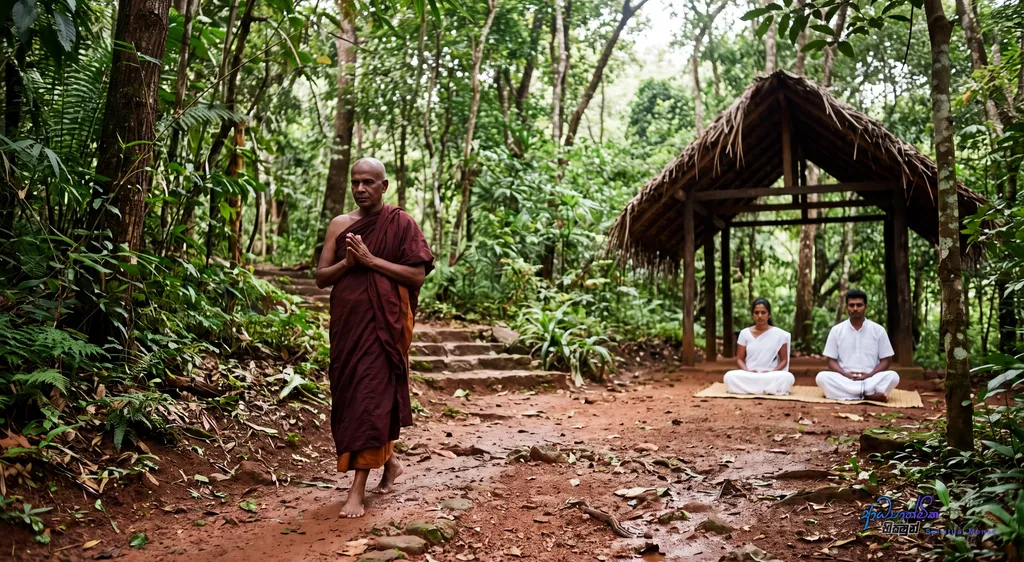
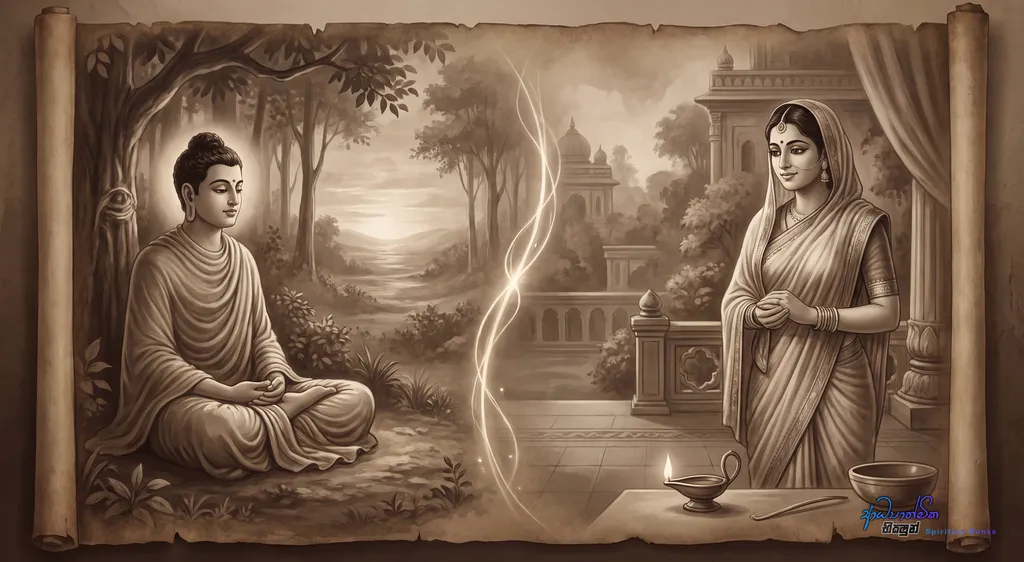
Lessons from the Noble Union of Siddhattha and Yasodhara
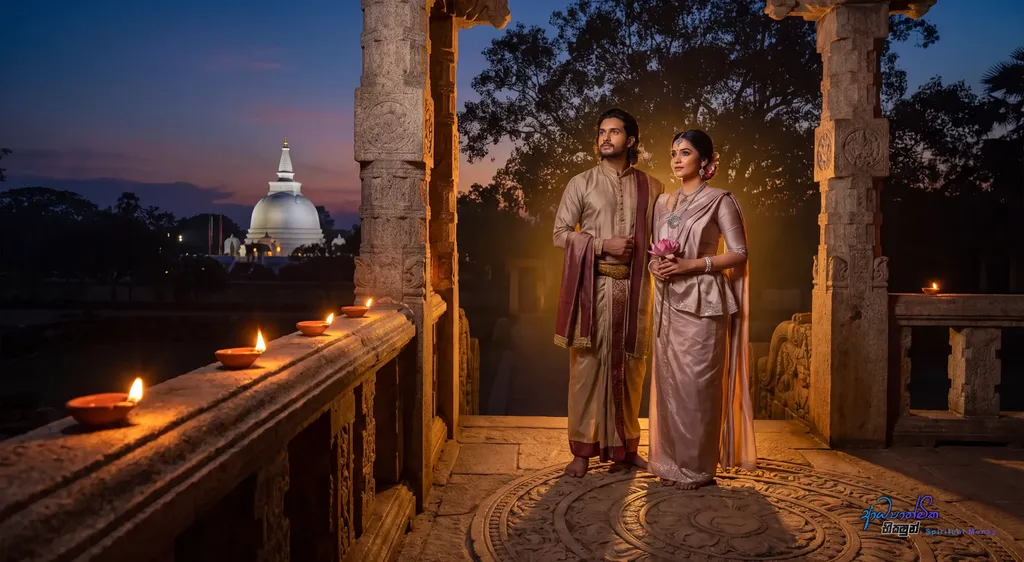
The sacred bond between Prince Siddhattha and Princess Yasodhara offers the highest model for a spiritual partner in Buddhism. Modern seekers often focus solely on the romantic aspect of their story, ignoring the extraordinary sacrifice required.
Prince Siddhattha was a noble seeker, a Bodhisatta, who constantly felt deep spiritual urgency, known as Samvega, regarding the impermanent nature of life. When he chose to leave the palace to seek absolute liberation, Yasodhara did not create barriers, harbor resentment, or sabotage his noble quest. She understood his ultimate purpose through wisdom.
Scriptures describe Yasodhara as possessing ten immaculate spiritual virtues, including boundless patience, self-respect, courage, and Dhamma wisdom. When Siddhattha practiced austere meditation in the forest, Yasodhara lived a simple, noble life in the palace, maintaining pristine moral conduct. She never sought other companions or worldly pleasures. True spiritual partners remain utterly faithful because their minds are aligned with cosmic truth.
Fulfilling Spiritual Perfections Together
A true spiritual partner in Buddhism joins you not to accumulate worldly wealth, mansions, or luxury vehicles, but to fulfill the ten spiritual perfections, the Dasa Pāramitā. These perfections include generosity, moral discipline, renunciation, wisdom, and patience.
When both partners cultivate a shared spiritual vision, they experience spiritual joy, known as Pīti. Ordinary people cling to property and material status due to spiritual ignorance. In contrast, noble companions realize that human life is merely a brief stopping point in the long journey of rebirths. They give generously and support each other's spiritual growth without generating possessiveness or toxic attachment.
Even if seekers make mistakes earlier in life by failing moral guidelines or pursuing worldly passions, true spiritual practitioners course-correct as wisdom matures around age twenty-five or thirty. They return firmly to the noble path, ensuring they pass away with accumulated spiritual merit rather than empty hands.
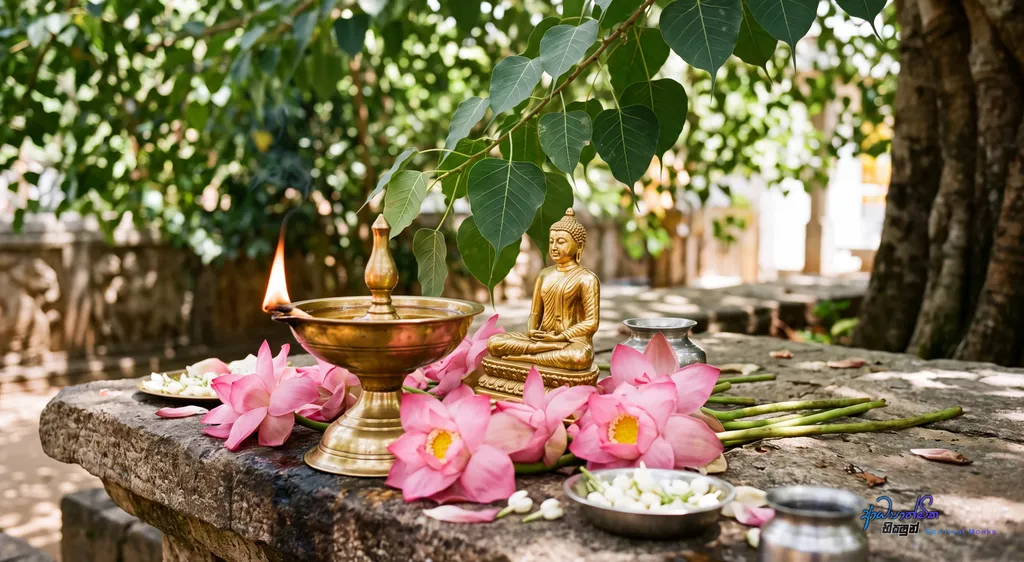
Unseen Divine Support and Final Blessings
When two individuals unite with the pure intention of walking toward ultimate liberation, known as Nibbāna, invisible spiritual forces take notice. Righteous heavenly beings, known as Devas and Brahmas, guard and assist those who dedicate their lives to selfless spiritual growth. Beings from heavenly realms rejoice when seekers establish authentic vows to help themselves and others cross the ocean of suffering.
You do not need to consult psychics, visit shrines, or rely on external predictions to determine if someone is your spiritual companion. Look at your shared values. If your Dhamma understanding matches with absolute harmony, if you support each other's meditation without pressure or friction, and if your bond inspires purity, you are walking a true samsaric path together.
May you reflect deeply on these teachings and cultivate authentic spiritual harmony in your life.
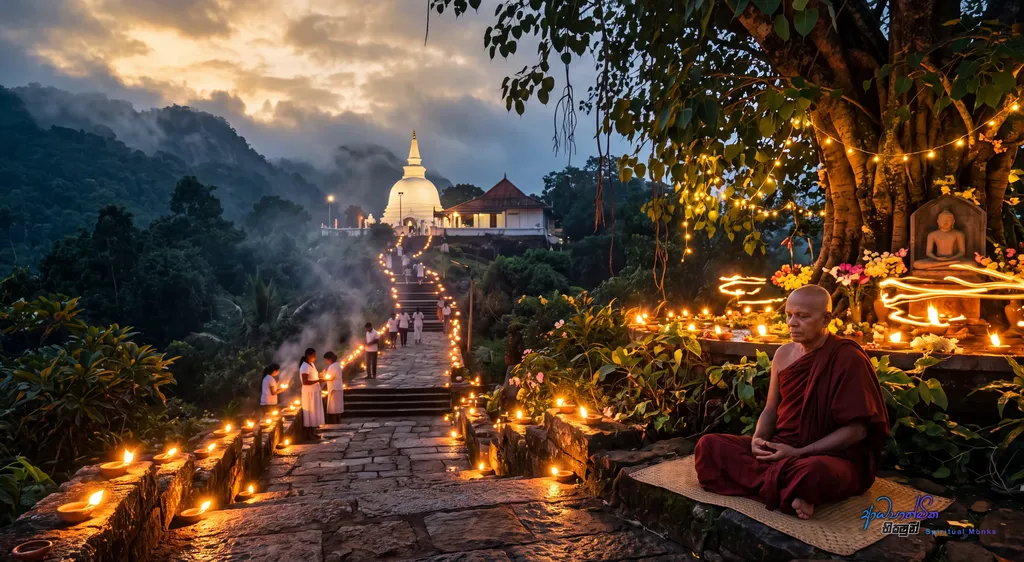
We invite you to walk this path with us. Read our teachings, and most importantly, apply them practically in your own life. as you practice, questions will naturally arise. Please feel free to share your experiences and questions in the comments below, via email or contact form. I will do my best to offer guidance in future talks based on your progress. For now, begin this practice with an open heart and a mind free from expectation. Cultivate it correctly, and may you find the clarity and peace you seek.
Thank you for joining us. We hope this blog will be of great benefit to your spiritual journey.
May you all be well and happy.
May the blessings of the Triple Gem be with you all!