


Categories: Can Meditation Drive You Mad?
May the blessings of the Triple Gem be with you all!
Today, I wish to share some advice drawn from personal experience for those of you exploring the spiritual life. In the world of meditation, or Bhāvanā, there is a significant difference between genuine, practical experience and mere claims of attainment. We see many people in society who declare they are having profound spiritual experiences when, in reality, they are not.
They do this to find a sense of satisfaction, to build a following, or to inflate their own ego a concept in Buddhism known as Māna, or conceit. This is a tendency we have observed in both men and women, and I have personally encountered individuals who try to pull me into their groups or factions. These efforts, of course, are in vain, but it highlights a common pitfall on the spiritual path.
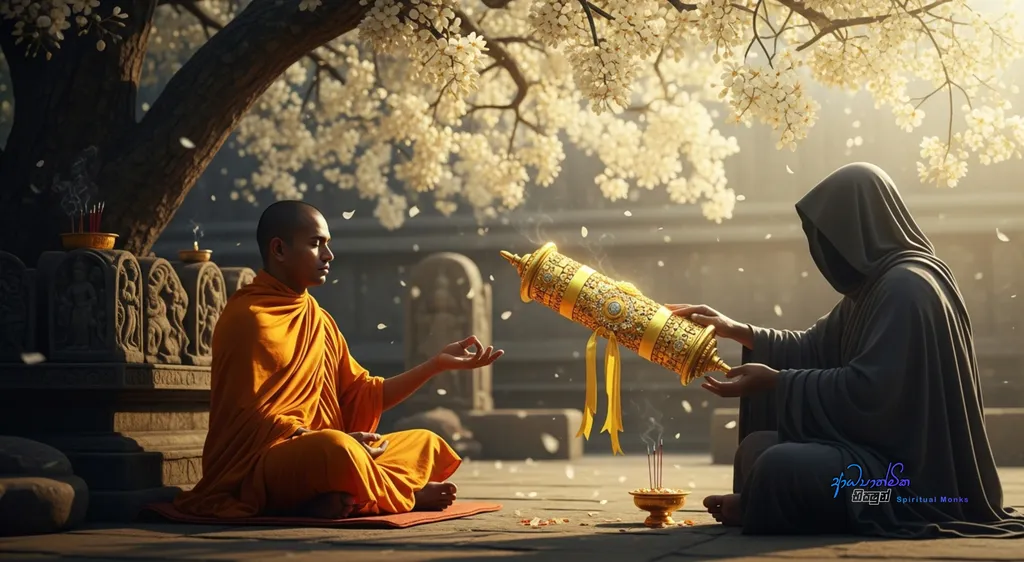
The Path of Action: Why Practice Trumps Theory
Meditation is, by its very nature, a practical endeavor. For years, through these teachings, we have focused on guiding you in the practical application of the spiritual life. We have provided clear instructions on how to engage in different types of meditation, such as Samatha bhāvanā (tranquility meditation) and Vipassanā bhāvanā (insight meditation), and how to maintain mindfulness, or sihiya.
The teachings of the Buddha, like the Four Foundations of Mindfulness or the Noble Eightfold Path, were never meant to be mere words confined to books. They are not doctrines to be endlessly chanted; they are truths you must experience for yourself.
The venerable Rerukane Chandawimala Nayaka Thero, a respected monk, used a powerful metaphor for this. He said that merely wishing for liberation, or Nibbāna, is like a hen laying an egg and then just praying for a chick to hatch without actually sitting on it to provide warmth. The chick will only emerge if the practical action of incubation is performed. In the same way, spiritual growth only occurs through dedicated, authentic spiritual practice, not wishful thinking.

The Third Eye: A Common Ground for Misunderstanding
A common area where this confusion arises is in practices like the ‘Third Eye’ meditation. We provide practical instructions: focus your attention on the point between the eyebrows or the center of the forehead, perhaps using a meditation object like the word ’empty.’ As you persist in this practice, certain signs may appear, such as a feeling of pressure or coolness in that area. Later, you might perceive light signals (ālōka saññā) or mental images (citta rūpa). We have described these stages clearly.
However, these experiences are subjective and depend on one’s past conditioning and karmic momentum. Not everyone will awaken the Third Eye or see lights, and we have always taught this. For those who don’t, we have offered other methods, like developing meditative absorptions known as Jhānas. The danger arises when people, hearing of these potential experiences, begin to falsely claim they are having them. They will say, ‘Oh yes, I see the lights, too,’ when they are experiencing nothing. They are forcibly imposing an experience onto themselves that has not naturally arisen.

A Sobering Warning: When Spiritual Pretense Leads to Madness
This brings us to a most serious warning. You must understand this clearly: meditation itself never causes mental illness. We have taught this many times. As the great monk Rerukane Thero wrote, ‘Those who are already mad will still be mad after they meditate.’ The problem arises from forcing experiences, from the mental strain of pretending to be something you are not.
When you forcibly try to manifest experiences you haven’t earned, you are creating the conditions for real psychological distress. This can begin as what Western medicine might call depression or stress, and can even escalate to severe conditions like schizophrenia (bhinnōnmādaya).
Consider the tragic examples seen in mental health facilities like the one in Angoda, Sri Lanka. In such places, you can find people who are utterly convinced they are the president, a famous doctor, or even a Buddha or an enlightened being (an Arahant). Often, this delusion is the result of a mind breaking under the pressure of intense, unfulfilled desire.
They dreamed of becoming a doctor, and when it didn’t happen, their mind created a reality where they already were one. The same psychological mechanism is at play when someone, lacking any genuine attainment, latches onto the idea of being a great spiritual master. This is not a failure of meditation; it is a failure of honesty.
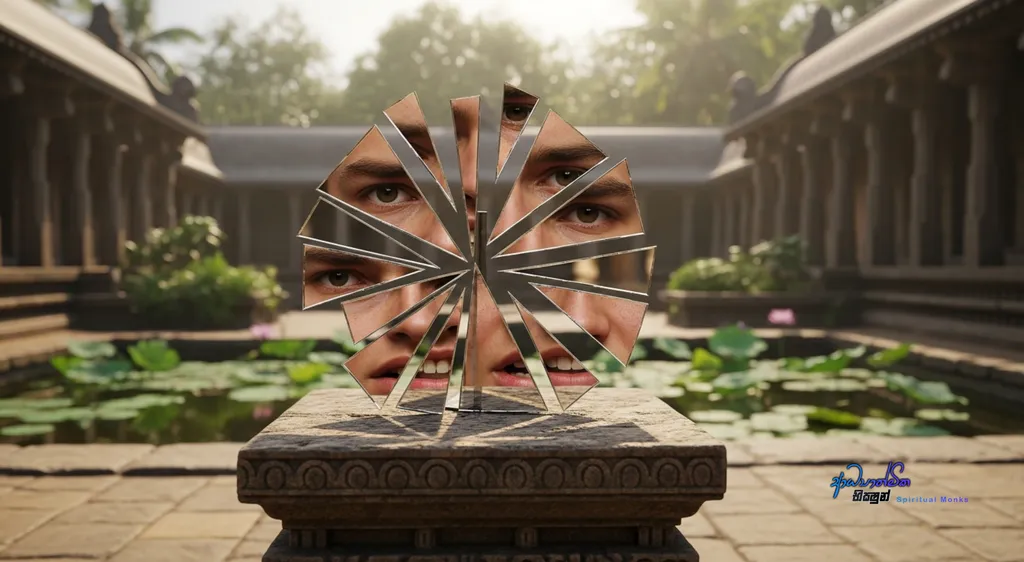
Fantasies of Power: The Delusion of Being a ‘Chosen One’
This delusion can take on grandiose forms. We see people today claiming to be ‘Diyasen’ a prophesied future savior in Sri Lankan folklore or the reincarnation of great kings like Dutugemunu. Yet, if you look at their actual lives, they possess no special abilities or even basic resources. They might publicly boast, ‘I can make it rain here,’ or ‘I can cause a tsunami there,’ but it is all empty talk to gain attention.
This is the same pattern as someone who, without having even the ability to sit still for thirty minutes in meditation, claims their Third Eye is open and all seven chakras are awakened. They have no practical experience or genuine understanding, only a fantasy they have adopted. These individuals, deluded themselves or actively deceiving others, can be found across all ages, genders, and backgrounds.
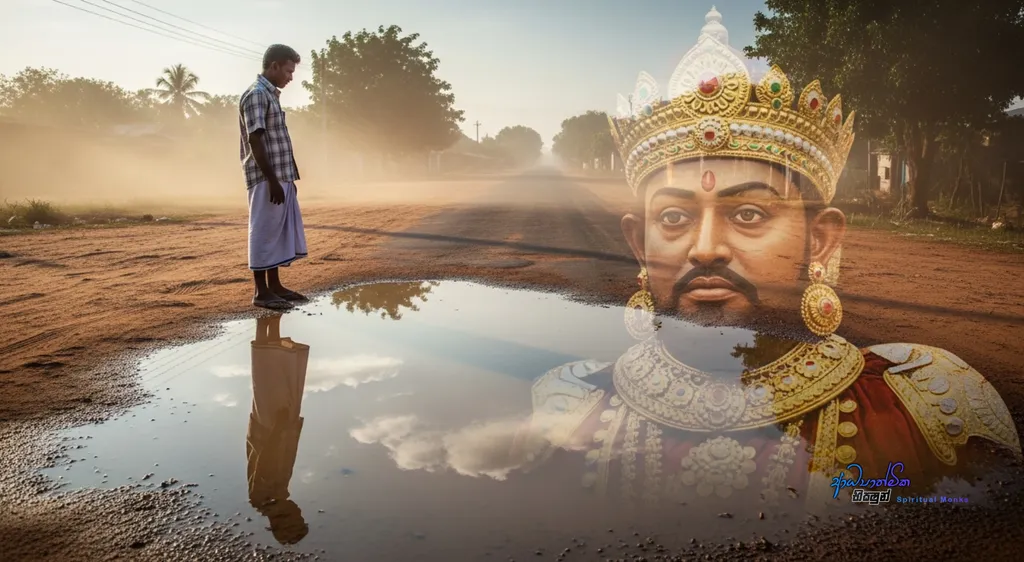
The Only Antidote: Radical Honesty and Patience
So, what is the antidote to this danger? It is simple but profound: you must be radically honest with yourself. This is the foundation of all authentic spiritual practice. If an experience is not happening, accept that it is not happening. Admit this to yourself and to your teacher. Do not rush the journey.
Many young people today are impatient; they read a few articles or watch a few videos and expect to awaken their Third Eye immediately. They then message us, frustrated that it isn’t working. The spiritual path cannot be rushed. It is a gradual cultivation of patience and equanimity (a state of mental calm and composure known as Upekkhā).
Listen to the teachings fully before you begin. Practice with patience. Give the process time to unfold naturally. If one method doesn’t yield results for you, we have offered others, such as mindfulness of the mind itself an insight practice from which anyone can gain benefit. Be honest, be patient, and be sincere. This is the only way.
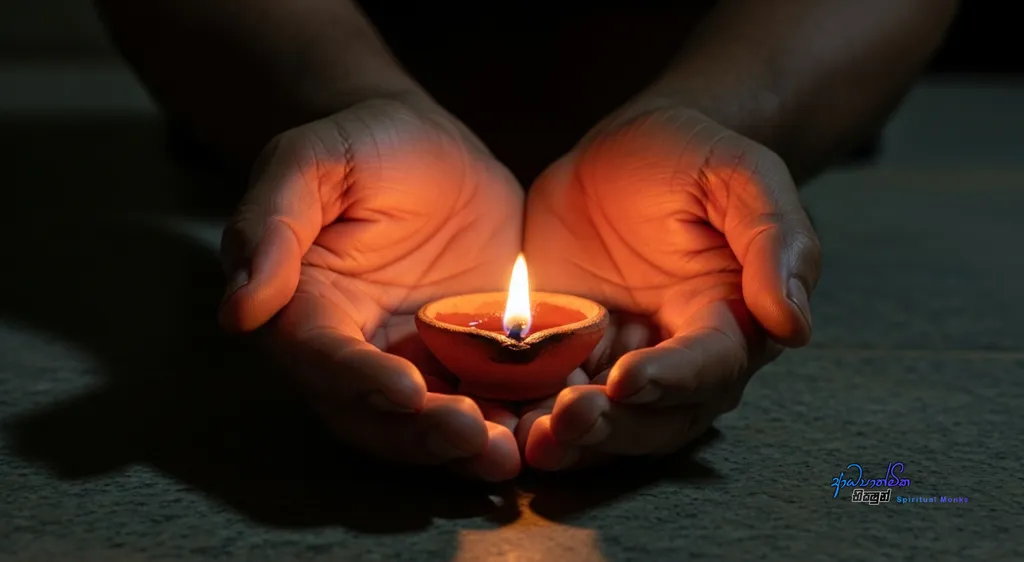
Your Path Forward: Focus on Your Journey with Wisdom
Therefore, I urge you to proceed with wisdom. Do not try to measure the spiritual attainment of others. It is impossible to judge from the outside; some who appear composed may be acting, while some who seem uncomposed may have deep inner peace. Only a truly developed person can perceive another’s spiritual state. Your focus should be entirely on your own path.
Follow the practical steps provided by a trustworthy teacher or through these teachings. When you experience something that aligns with the instructions, proceed to the next step. When you don’t, remain where you are with honesty and patience. This is how you build a genuine, stable, and authentic spiritual practice.
If you encounter others who are struggling with delusion, you can gently point them toward sound teachings, but understand your limits. As for us, we share these lessons from the experiences we have gathered on our own journey, a journey we are still walking.
By understanding these principles, you will be able to distinguish truth from falsehood and walk the path correctly and with confidence.
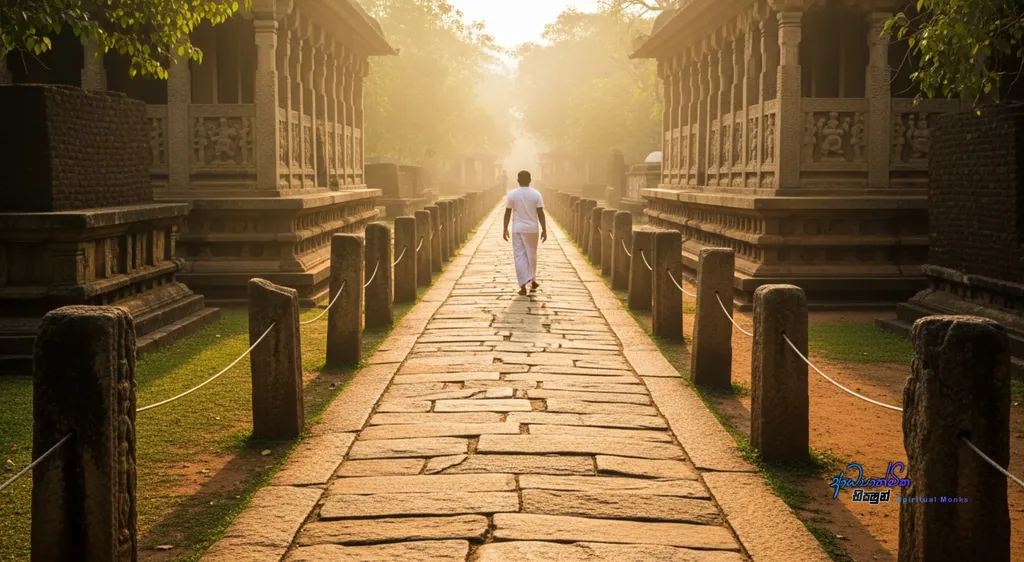
A Final Blessing for Your Journey
With these points in mind, I conclude today’s teaching. By the power and blessings of the Buddha, the Dhamma, and the Sangha the Triple Gem may you all gain the wisdom to understand these matters clearly, to develop your own spiritual life with honesty, and to engage in authentic spiritual practice.
We invite you to walk this path with us. Read our teachings, and most importantly, apply them practically in your own life. as you practice, questions will naturally arise. Please feel free to share your experiences and questions in the comments section below, via email or contact form. I will do my best to offer guidance in future talks based on your progress. For now, begin this practice with an open heart and a mind free from expectation. Cultivate it correctly, and may you find the clarity and peace you seek.
Thank you for joining us. We hope this blog will be of great benefit to your spiritual journey.
May you all be well and happy.
May the blessings of the Triple Gem be with you all!


