Categories: Other Meditation Teachings
May the blessings of the Triple Gem be with you all!
In our journey through life, we often confuse outer pleasure with inner peace. To truly grow, we must understand the distinct difference between living for sensuality and walking the spiritual path. Through core Theravada Buddhist teachings, we learn what is gained through sensory gratification and what is unlocked through spiritual clarity.
Sensuality revolves around satisfying the physical senses. In Buddhism, this is known as the five sensory pleasures or Pancha Kama. These five doors of perception are:
- The eye pleasing itself with visual forms
- The ear seeking captivating sounds
- The nose delighting in pleasant fragrances
- The tongue savoring delicious tastes
- The body enjoying soothing physical contact
We constantly pursue objects to satisfy these doors. For taste, we seek fine foods. For smell, we enjoy perfumes or the scent of blooming jasmine flowers. For sight, men seek the female form, and women seek the male form. For sound, we desire comforting or pleasing voices. For touch, we long for physical intimacy and warmth. These experiences are thoroughly analyzed across the Sutta Pitaka and the Abhidhamma within authentic Theravada Buddhist teachings, showing how human beings naturally become bound to worldly existence.
Living Within the Realm of Sensual Desires
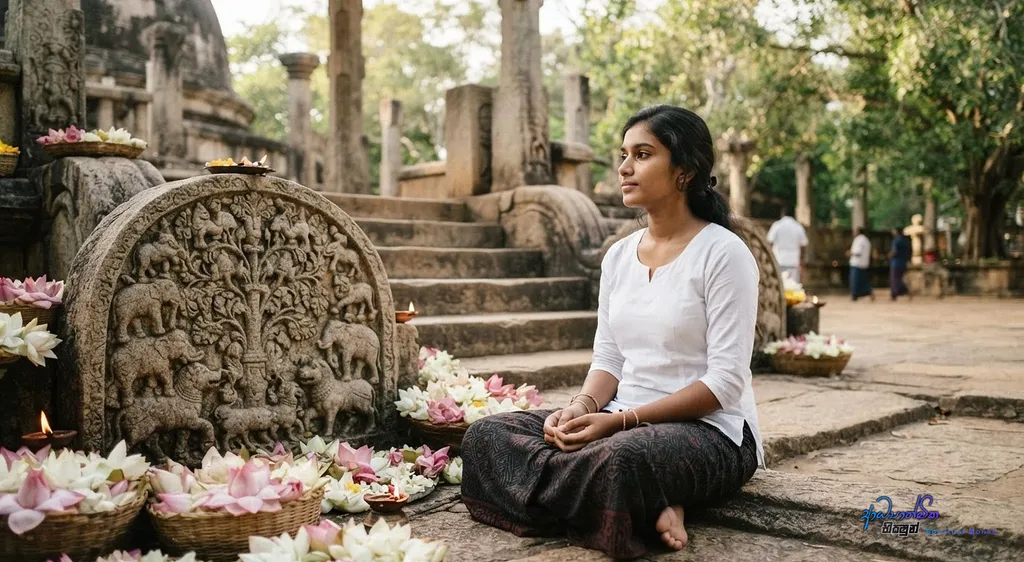
Most people spend their entire lives under the influence of these five senses. Whether we look at our family members, neighbors, or society at large, people are constantly chasing sensory fulfillment. In Sri Lanka and across the globe, people strive to become wealthy primarily to satisfy these physical demands.
This existence is called the sensual world, or Kama Loka. It consists of various planes of existence, including six heavenly realms known as Kamavacara Deva Loka, the human realm, and lower realms. In the higher heavenly realms, beings experience continuous pleasure without physical sickness, bodily exhaustion, or fatigue. According to the cognitive mental processes described in the Abhidhamma, known as Chitta Vithi, heavenly beings do not suffer physical pain like humans do. Their suffering is purely mental, such as feeling anger, grief, or joy based on words spoken to them. In contrast, in the human realm, we suffer both physically and mentally.
Worldly happiness is typically derived from money, vehicles, real estate, children, sexual intimacy, music, fine dining, and entertainment. People endlessly search for fulfillment through these avenues because they believe sensory happiness is the ultimate goal of life.
The Insatiable Mind and Worldly Pursuits
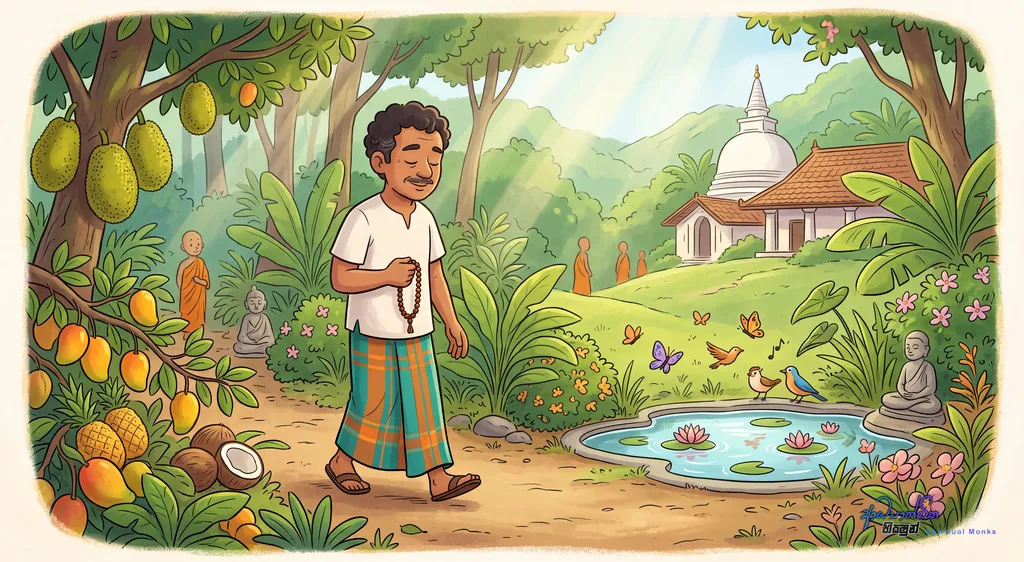
The human mind has an insatiable appetite for sensory satisfaction. Consider modern figures like Elon Musk, who, despite possessing unimaginable global wealth, looks beyond Earth toward exploring Mars. From a scientific viewpoint, this is a remarkable milestone. Yet from the perspective of deep Theravada Buddhist teachings, it illustrates how the human mind can never be fully satisfied through sensory exploration alone.
The Buddha explicitly stated in the Sutta Pitaka that human beings can never satisfy the eye, ear, nose, tongue, and body simply by feeding them. Scientists research living beings, deep subsurface oceans, distant planets, and foreign atmospheres. Others spend their entire lives collecting land, building businesses, or accumulating money. If you were a scientist studying living creatures, you would keep discovering new species without end until you reached a point of absolute exhaustion.
Every individual eventually reaches a personal peak of experience. At this peak, a deep realization emerges: there is no final endpoint to worldly gathering. When this exhaustion sets in, the mind begins to shift direction.
Reaching the Peak of Exhaustion and the Shift to Asceticism
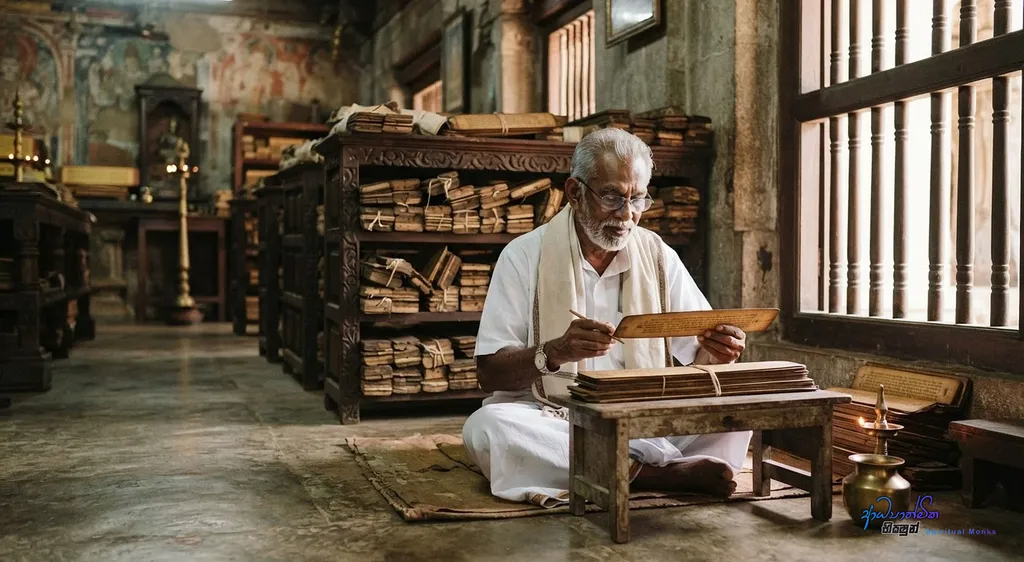
Look around at society, and you will see two types of people. Some work continuously in business until the very day they pass away. Others choose to let go of their wealth and step away from worldly burdens. In the historical Jataka stories, which record the previous lives of the Buddha, we read about great kings who ruled vast empires. After reaching the peak of power and sensory indulgence, they felt a profound sense of spiritual weariness. They voluntarily renounced their kingdoms to embrace a life of solitary asceticism.
A famous historical example is Emperor Ashoka. Known initially as Candasoka due to his relentless conquests, he reached a saturation point after conquering numerous territories. He realized that political victory brought no true peace. While unwise observers thought he should have conquered even more lands, Ashoka recognized the futility of endless worldly expansion.
When a person reaches their personal peak of exhaustion regarding sensual pleasures, known as Kama, worldly praise, material displays, and luxury lose all meaning. This pivotal moment marks the true birth of one's spiritual path.
Past Life Merits and the Timing of Spiritual Awakening
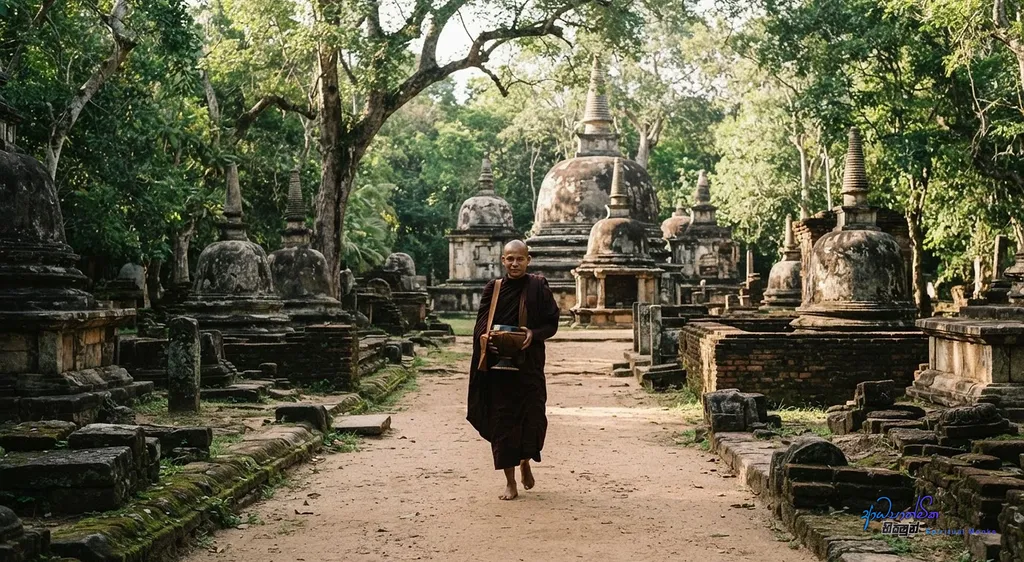
The age at which someone turns toward the spiritual path varies greatly. Some individuals feel disillusioned with sensual pleasures early in life, at age ten, fifteen, or twenty. Even though they are young in their current physical body, they are not young souls in the cycle of rebirth, known as Samsara. Their spiritual wisdom and accumulated virtues, known as Paramita, carry over from previous lives.
For others, this shift occurs in middle age or later in life. After experiencing various relationships, financial achievements, and sensory pleasures, they hit a wall. A man may realize that no matter how many relationships he enters, true fulfillment remains elusive. A woman may realize that material possessions cannot grant inner peace. Wealthy individuals often reach this point and begin practicing profound generosity, known as Dana.
In Sri Lanka today, there are wealthy entrepreneurs who, upon reaching this exhaustion point, sell their companies and donate vast fortunes to build forest monasteries, known as Aranya Senasana, and support rural temples. Conversely, those who chase sensual desires until their last breath without any reflection have not yet cultivated deep wisdom or spiritual perfection in Samsara, even if they occasionally perform minor good deeds.
Overcoming Intellectual Traps and Lay Life Responsibilities
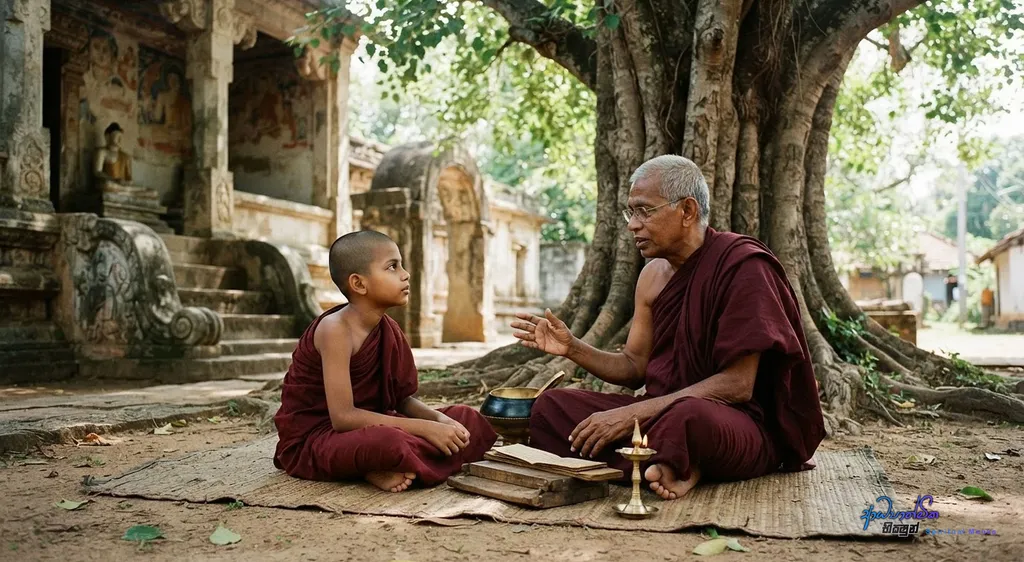
When turning to spiritual life, one must beware of intellectual traps. Some individuals receive academic university degrees and begin endlessly criticizing sacred scriptures or Jataka tales without having any practical spiritual practice. Academic learning is merely information, whereas genuine spiritual wisdom requires personal experience and mental clarity. We should avoid following pseudo-intellectual guides who lack practical insight.
Transitioning to a spiritual life while living as a householder presents unique challenges. Many sincere individuals send messages to our message channel describing how trapped they feel by family duties, raising children, funding educations, or supporting spouses. They feel exhausted by worldly stress but cannot abandon their moral responsibilities without causing harm.
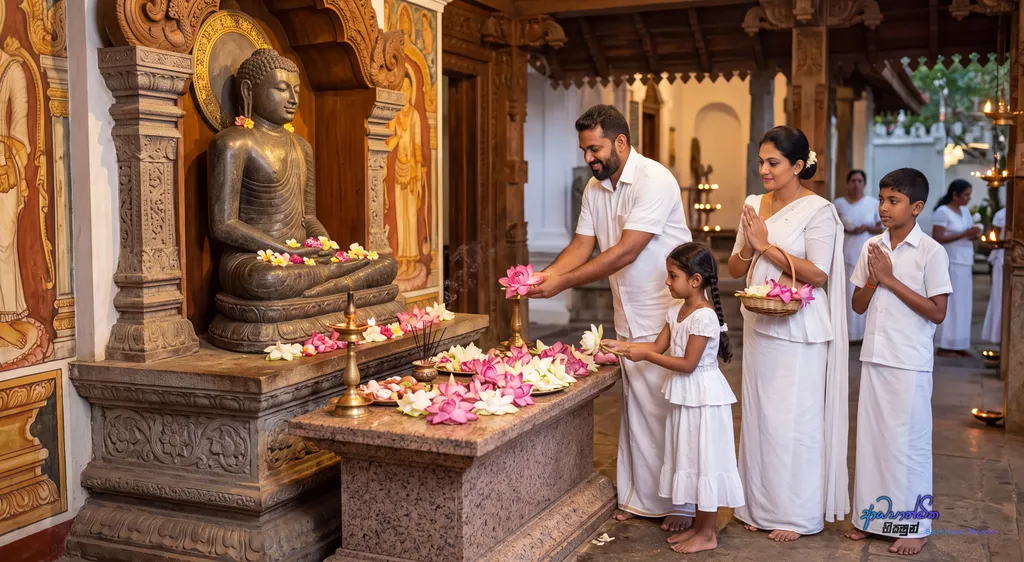
If you are in this situation, understand that the spiritual path begins right where you are. You can start with simple acts of devotion:
- Offering fresh flowers and lighting oil lamps at your home shrine
- Reciting protective discourses, known as Pirith
- Observing the five moral precepts, known as Pancha Sila
- Visiting local temples or forest hermitages
- Making pilgrimage to sacred shrines like Ruwanwelisaya and the Sixteen Sacred Sites, known as Solosmasthana
These practices gradually shift your focus away from sensory distraction and toward sacred tranquility.
Moving Beyond Material Offerings to Direct Practice
While devotional offerings generate positive merit, known as Punya, we must not remain stuck in external rituals alone. Material offerings provide comfortable conditions for future lives, but they do not end spiritual suffering, known as Dukkha.
Consider the inspiring example of Western monastics living in Sri Lanka. Foreign monks who reside in deep forest hermitages like Na Uyana Forest Monastery, as well as remote regions like Laggala and Pallegama, bypass simple devotional rituals. Instead, they directly dedicate themselves to deep meditation, known as Bhavana, which is the most powerful aspect of the spiritual path.
In the canonical Tripitaka scriptures, the Buddha clearly declared that those who honor him merely through material gifts, known as Amisa Puja, do not truly honor him. Rather, those who practice the core teachings and live according to the Dhamma, known as Patipatti Puja, offer the highest possible worship. Through Theravada Buddhist teachings, we are reminded to balance our daily meritorious acts with direct mental training.
Practicing Meditation Amidst Life Problems
When life becomes difficult, unwise people often seek temporary escape through alcohol, drugs, or excessive sensory indulgence. These quick fixes only compound human suffering. In contrast, wise individuals turn to spiritual sanctuaries. Visiting sacred sites like the Kelaniya Temple or Ruwanwelisaya, where the atmosphere is charged with spiritual energy, helps temporarily quiet mental defilements such as lust, anger, and delusion.
Many people believe they should only meditate when their lives are peaceful and calm. This is an impractical approach. The true strength of your meditation practice, known as Bhavana, is tested when you face severe pressure, financial struggles, job stress, relationship breakdowns, or the loss of loved ones.
When you are overwhelmed by anxiety, sit quietly and begin practicing. You can start by reciting devotional verses for thirty to sixty minutes using our free downloadable worship book PDF. As you close your eyes and chant sacred verses, your mind becomes focused and calm, developing mental concentration, known as Samadhi. Following chanting with twenty to thirty minutes of silent meditation will cool down stress and bring profound inner peace.
The Ascending Stages of the Spiritual Journey and Final Resolution
As your spiritual wisdom deepens, reading sacred texts, such as the Jataka tales, Sutta Pitaka, or the explanatory works of Great Elders like Venerable Rerukane Chandawimala Thero, reveals the ultimate flavor: the taste of the Dhamma, known as Dhamma Rasa. Unlike sensory taste, the taste of truth brings immediate lightness, relief, and joy.
The spiritual path progresses through distinct stages:
- Renouncing sensory addiction and understanding impermanence, known as Anicca
- Engaging in devotional offerings and moral virtue, known as Sila
- Studying scriptures and deepening mental stillness, known as Samadhi
- Attaining deep meditative absorptions, known as Jhana
- Developing direct insight and higher spiritual knowledges, known as Abhijna
- Realizing the noble stages of liberation, known as Magga-Phala
Every individual reaches spiritual milestones at their own pace. Do not let your journey stop at preliminary levels. Make a firm spiritual resolution, known as Adhisthana: determine right now that your mind will recognize its highest spiritual potential relative to where you stand today. May you deepen your wisdom, shorten your journey in Samsara, and attain complete freedom.
We invite you to walk this path with us. Read our teachings, and most importantly, apply them practically in your own life. as you practice, questions will naturally arise. Please feel free to share your experiences and questions in the comments below, via email or contact form. I will do my best to offer guidance in future talks based on your progress. For now, begin this practice with an open heart and a mind free from expectation. Cultivate it correctly, and may you find the clarity and peace you seek.
Thank you for joining us. We hope this blog will be of great benefit to your spiritual journey.
May you all be well and happy.
May the blessings of the Triple Gem be with you all!