


Categories: Other Meditation Teachings
May the blessings of the Triple Gem be with you all!
As we walk the spiritual path, engaging in meditation practices like Samatha (calm) and Vipassanā (insight), it’s natural to encounter various challenges and obstacles. You know this from your own experience. In our previous teachings, we have often explored these topics to provide you with clarity and understanding. Because of that understanding, many of you have successfully faced these challenges and continued to progress on the path.
It is a normal part of spiritual development to face difficulties. Even in worldly life, when you try to achieve anything, you encounter problems. This is simply the nature of the world. The wealthiest person on earth faces their own unique challenges and struggles.
It is extremely rare for anyone to walk a perfectly smooth and beautiful path. Problems come to everyone, without exception. Therefore, for someone leading a spiritual life, facing such issues is not something to be alarmed about. This is true for monks, nuns, and laypeople, men and women alike, regardless of race, caste, or creed. Anyone can face any kind of challenge at any time.
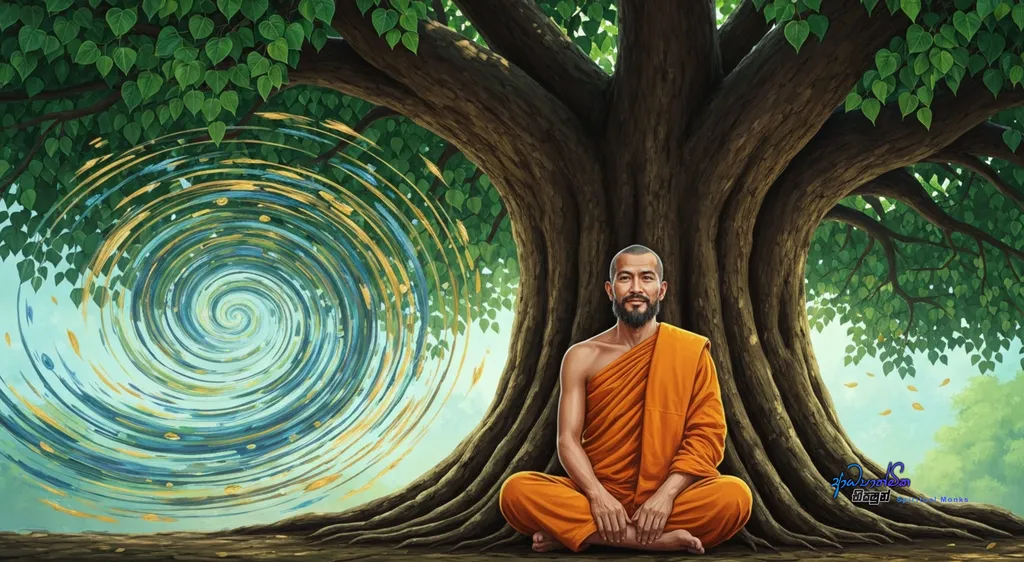
The Ideal vs. The Real: Seeking the Perfect Place to Meditate
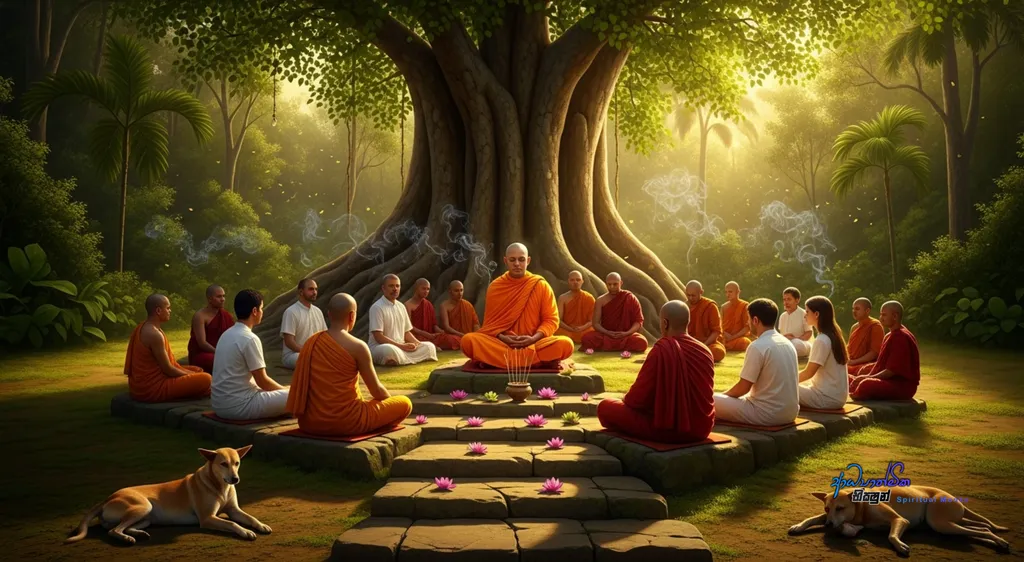
Today, I wish to address a specific question that comes to me time and again. Many people search for special environments to meditate, places that they believe will soothe and free the mind. I have also previously advised finding a place where your mind feels free and practicing there. We have even explored teachings on ‘suitable places for meditation,’ highlighting sacred sites and natural settings where the universal energy can support the practice of calm meditation. We have pointed out many such powerful locations in Sri Lanka.
However, let’s look at our current reality. Living a lay life, especially, means you are incredibly busy. With your job, your studies, or other responsibilities, you might only be able to visit such a place once a month, if you’re lucky. Sometimes, even that is not possible. While some may have the freedom to go once a week, others may not be able to find a moment of peace in a quiet place for months on end.
They may not even have the chance to visit a forest monastery or their own village temple. This is the reality of our human world, so full of the activity of Māra, a Buddhist term for the forces that obstruct spiritual progress, that it has become difficult for a person to lead a spiritual life. Our world is busy in so many ways, pulling us away from our inner work.

Finding Calm Amidst the Chaos of Daily Life
Living in this environment, we know you are under immense stress and pressure. This stress doesn’t just come from your job and its demands. Sometimes it arises from your family situation, through your husband, wife, children, or parents. You may also face difficulties from friends and relatives. When all of this combines, to put it simply, it can feel like you are going mad. The mental pressure is extraordinary. This isn’t just a reality in Sri Lanka; people all over the world are experiencing immense pressure.
It is in these moments that people search for places where they can feel mentally free. And when they find such a peaceful environment, they feel an incredible sense of relief. They might even use the expression, ‘It felt like I attained Nibbāna.’ While they haven’t truly realized Nibbāna, the ultimate liberation from suffering, they use this word to describe the profound lightness and peace they feel. It is with deep compassion for this struggle that I wanted to share this teaching with you, as I have met so many who try to meditate while carrying these heavy burdens.
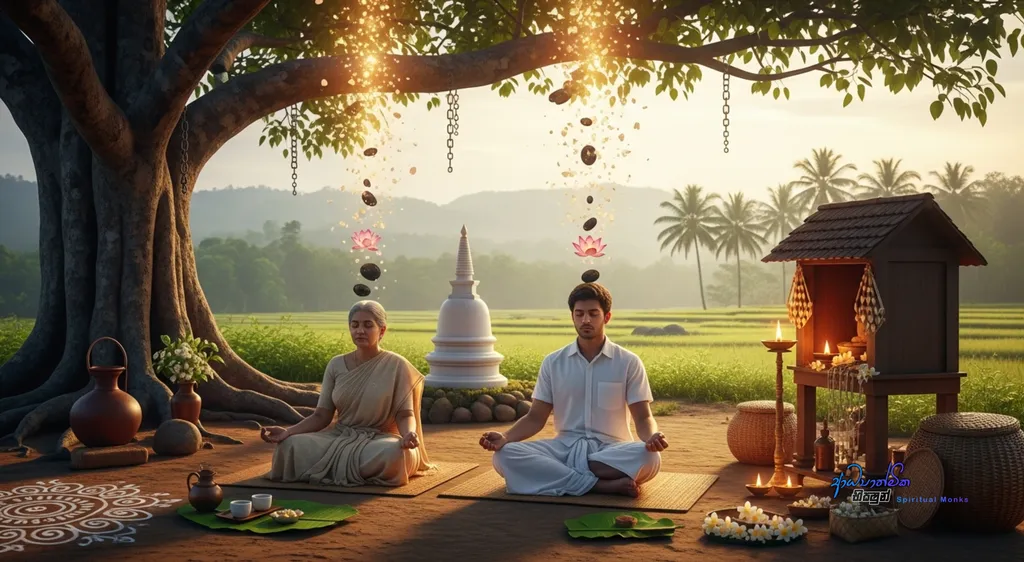
Your True Sanctuary: How to Meditate Wherever You Are
For those who struggle with these pressures, and for those who lack the financial means to even take a leisure trip, let alone a spiritual pilgrimage, life can be very difficult. Some may not have the resources to visit a sacred place like the Ruwanwelisaya stupa or even buy a flower to offer. Yet, these very people have a sincere desire to develop their meditation practice.
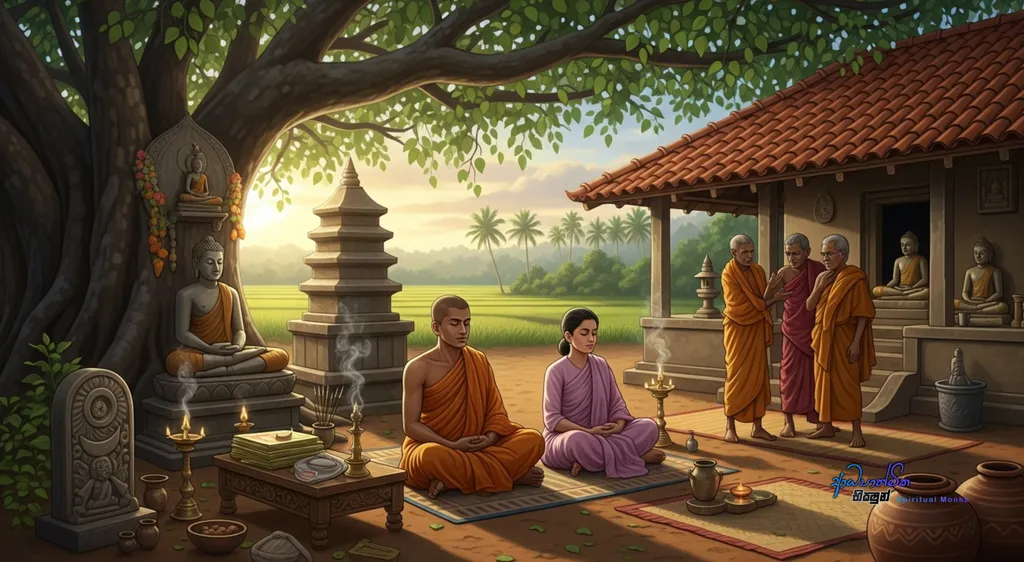
To them, and to all of you, I have given this advice: practice your meditation and devotional activities right in your own home. When you are before your Buddha statue at home, cultivate the perception that the living Buddha is present with you, and perform all your rituals and practices with that deep respect. This is my message for everyone. No matter what obstacles you face, even if you can’t go to another place, you must meditate wherever you are. Your home may be the source of your greatest challenges, your parents, spouse, or children might be your Māra.
But no matter who is there or how much they obstruct your spiritual life, meditate wherever you are. Practice meditation right at your workplace. You might be living abroad, perhaps in a small boarding room. Despite the challenges you face in these places, you have the ability to continue your meditative practice. Therefore, never be discouraged by your environment.
There is no place in this world without obstacles. Even the Bodhisatta, before he became the Buddha, faced immense obstacles. They come to all of us. We must overcome them, not be shaken by them. To be shaken is to break down mentally, which is a weakness. We do not need to let that happen.
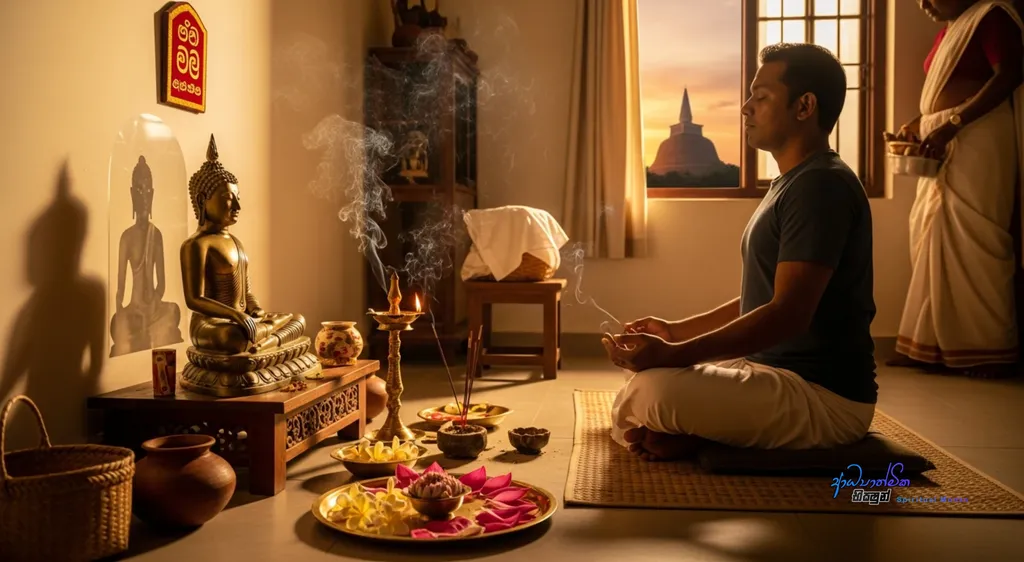
Stories of Resilience: Meditating in Secret
So, if your home environment is 100% full of obstacles and you have no financial or practical way to go somewhere calmer, even once a month, then you must practice right there. Whether Māra is present, or unwholesome spirits, or if your own family members are creating disturbances, pay them no mind and continue with your meditation. Follow the path of Samatha-Vipassanā as taught in these articles. Never allow yourself to break down mentally.
Many who have followed this advice are continuing their practice successfully. I have heard from students preparing for their O-Level and A-Level exams whose parents tell them not to meditate. Yet, these children close their doors and windows and practice in secret for about an hour a day, without neglecting their studies.
Husbands have told me their wives create obstacles, so they practice without her knowing. Wives have told me their husbands are the obstacle, so they, too, practice in secret. These stories exist across all walks of life. This is why I say, no matter the obstacles, you can meditate wherever you are.
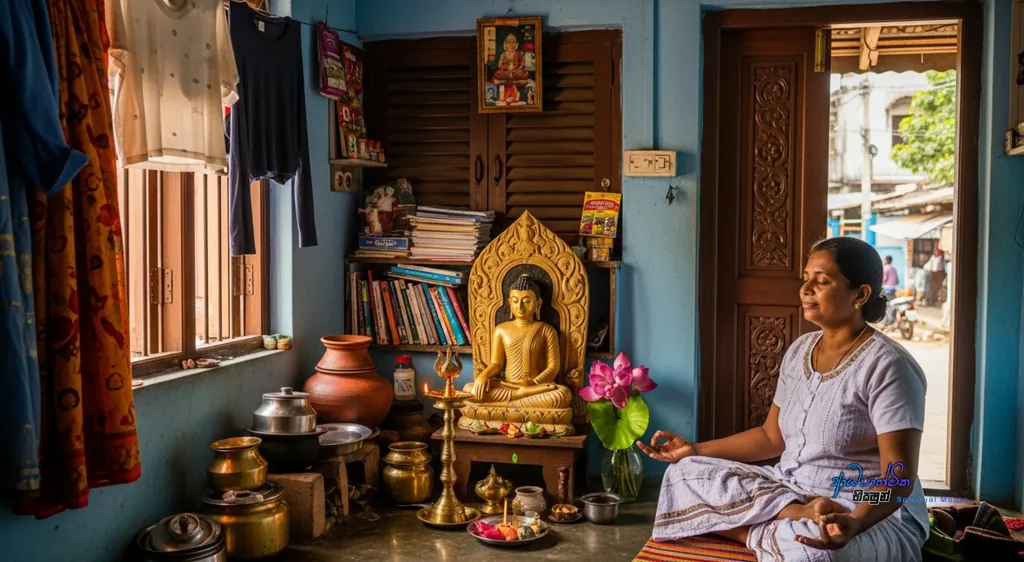
A Powerful Tool: Using Loving-Kindness (Mettā) for Obstacles
When obstacles and troubles become intense, there are specific tools you can use. We have provided teachings on how to practice Mettā, or loving-kindness meditation, in such situations. Please explore those teachings to find answers and apply them practically.
Then, if and when a time comes that you have a peaceful opportunity, to visit a forest monastery, a sacred site like one of the sixteen holy places (Solosmasthana), your village temple, or any temple at all, you should absolutely go. Go and use that time to deepen your spiritual progress. But build the foundation at home first. If you truly want to meditate wherever you are, start in the most challenging place: your daily life.
Navigating Doubt: When Others Criticize Your Path
One day, after you have fulfilled your duties and responsibilities, you may enter a monastic life. Whether you are a man or a woman, that day may come. Then, you will be able to practice freely. But even for us as monks, there are plenty of troubles and obstacles. That is the nature of existence.
We must practice equanimity. We face obstacles from the very places we reside. Some village monks might ask, ‘Are you trying to go crazy by meditating?’ Yes, there are even monks who say such things. You can see how narrow their mindset must be to utter such words.
Think about it: did the Lord Buddha learn the teachings in the Tripitaka from a teacher? No. He perfected his qualities over countless lifetimes, and through meditation, through developing his mind he realized these truths. It was this direct realization that he taught to all beings, which was then memorized by Arahant Ananda and preserved through the Buddhist councils. If a monk today dismisses that very practice by asking if one is ‘trying to go crazy,’ it is due to ignorance, foolishness, or because they are trapped by worldly (laukika) goals. Do not be swayed by such statements.
Your Path Forward: Practice Correctly and Consistently
As we have mentioned in our earlier teachings, it is crucial that you meditate correctly and follow the instructions properly. We have provided the necessary guidance. If you are new to these teachings, it is essential that you explore our articles from the very beginning, in order. By gaining a foundational understanding first, you can then proceed with the practical application. If you follow this path, you can undoubtedly develop your spiritual life.
With this, we conclude today’s teaching.
We invite you to walk this path with us. Read our teachings, and most importantly, apply them practically in your own life. as you practice, questions will naturally arise. Please feel free to share your experiences and questions in the comments below, via email or contact form. I will do my best to offer guidance in future talks based on your progress. For now, begin this practice with an open heart and a mind free from expectation. Cultivate it correctly, and may you find the clarity and peace you seek.
Thank you for joining us. We hope this blog will be of great benefit to your spiritual journey.
May you all be well and happy.
May the blessings of the Triple Gem be with you all!.


