


Categories: Eradicate the Fear of Meditation
May the blessings of the Triple Gem be with you all!
Welcome. In our ongoing exploration of the spiritual path, we often encounter practical matters that require a clear understanding. Today, we will address something many of you may experience as you deepen your spiritual practice, particularly through meditation: a change in your need for sleep. This is a common phenomenon when developing both tranquility (Samatha) and insight (Vipassanā).
We will look at this from the perspective of insight meditation, where the goal is to completely uproot and destroy the mental defilements, known in Buddhism as the kilesas. This practice aims to end the cycle of rebirth, a state of ultimate peace and freedom. As you progress on this path, you will confront and overcome certain inner obstacles, which directly impacts your relationship with meditation and sleep.
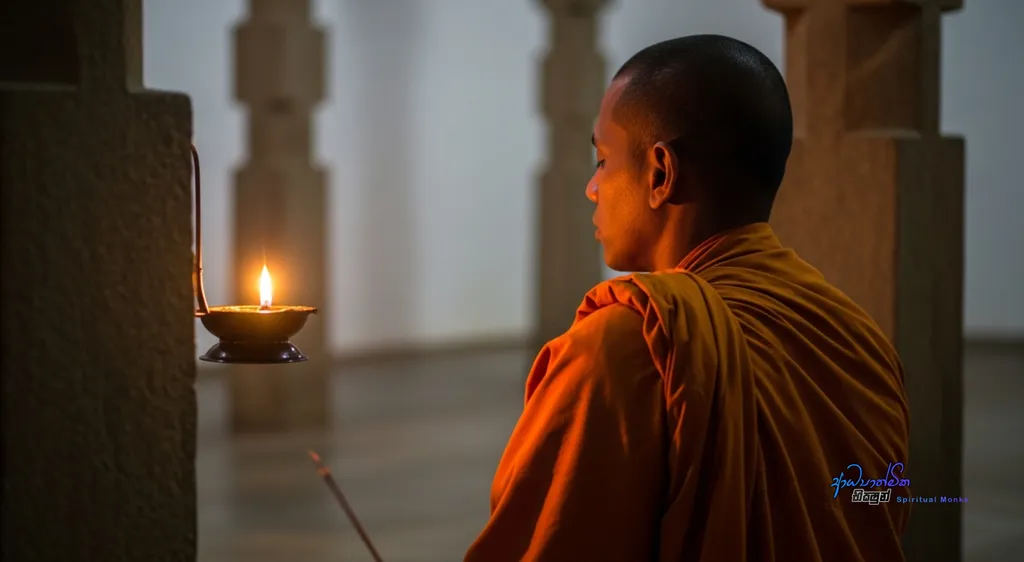
Understanding Thīna-Middha: The Hindrance of Sloth and Torpor
To understand this change, we must first look at the obstacles to meditation. In Buddhist teachings, these are called the five hindrances, or pañca nīvaraṇa. They are: sensory desire (kāmacchanda), ill will (vyāpāda), sloth and torpor (thīna-middha), restlessness and worry (uddhacca-kukkucca), and skeptical doubt (vicikicchā).
Today, we focus on thīna-middha. This term encompasses both laziness and sleepiness, not just physical tiredness, but a deep mental lethargy or dullness that hinders spiritual progress. When we say that insight meditation destroys the defilements, it means that this very hindrance of thīna-middha begins to weaken and dissolve. The result is that the excessive need for sleep starts to diminish naturally. This is the core reason why your patterns of meditation and sleep will change.
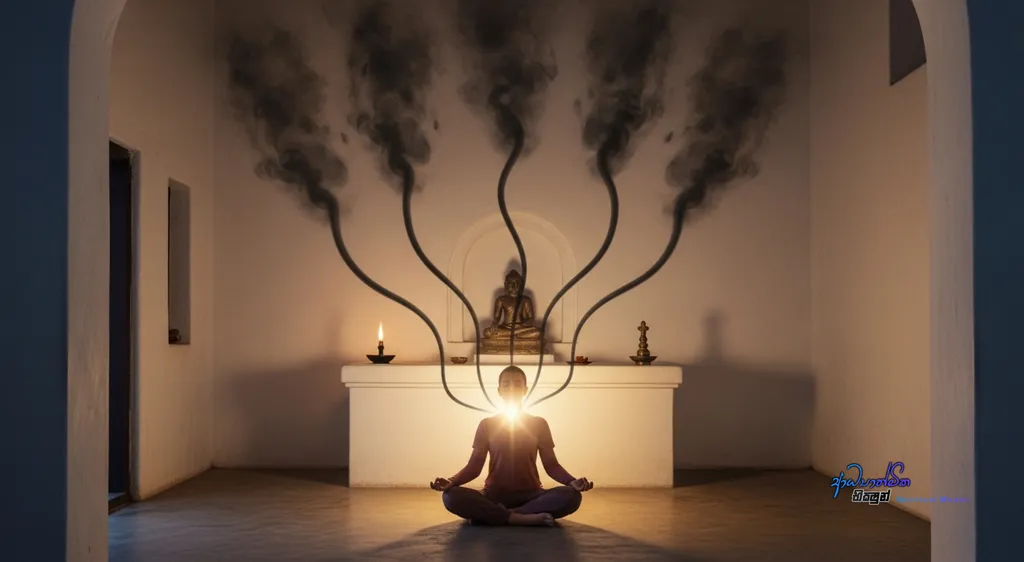
Diligence in Daily Life vs. Spiritual Practice
It’s crucial to understand that we are not talking about laziness in your daily life. You might be a very active and diligent person in your worldly affairs. You could be dedicated to your career, your business, your studies, or managing your household. You may have great enthusiasm for these tasks and even function well on little sleep to achieve your goals. This kind of energy is driven by worldly interests.
However, the spiritual path is different. The Buddha was speaking about a specific kind of laziness, the resistance that arises when you try to turn your attention inward. A person can be a dynamic professional but become incredibly lazy, sleepy, and uninspired when it comes to meditation.
The mind becomes slow and heavy, wanting to do anything else but the practice. The key question is this: does your diligence in worldly life translate to your spiritual practice? Are your laziness and sleepiness disappearing in the context of your meditation? This is where the real work lies.

How Samatha and Vipassanā Address Sloth and Torpor
There are two primary forms of Buddhist meditation, and they deal with hindrances like thīna-middha differently.
In Samatha, or tranquility meditation, the goal is to calm the mind and suppress the hindrances. This practice can bring about great peace and can also lead to a reduced need for sleep because the mental state is serene. However, the defilements are only temporarily put aside, like pressing a weed down with a stone. They can arise again when the conditions are right.
In Vipassanā, or insight meditation, the goal is not to suppress the defilements but to uproot them completely. Through mindful observation, you see their true nature and they are permanently eliminated. This is why, as you progress in Vipassanā, the need for sleep doesn’t just get suppressed, it is fundamentally reduced because the underlying cause, the defilement of thīna-middha, is being destroyed. Whether you practice Samatha or Vipassanā, a change in your relationship with meditation and sleep is a likely outcome.
Is Less Sleep a Sickness? A Common Misunderstanding
As your practice deepens, you may find that your nightly sleep naturally shortens. Many practitioners have shared this experience, asking, “Venerable Sir, I don’t sleep as much as I used to since I started meditating. Is this a sickness?” Some have become so concerned that they have consulted doctors and even started taking sleeping pills, simply because they didn’t understand the nature of this change.
Let this teaching bring you clarity. When you practice meditation correctly, especially Vipassanā, you are cleansing the mind. The craving for excessive sleep is a defilement, and as it is eradicated, your need for sleep naturally lessens. This is not a medical problem; it is a sign of progress.
A doctor, who may not have experience with meditation, will naturally prescribe medication based on the symptoms you describe. But by doing this, you would be working against your own spiritual development. Understanding this correctly is the key to proceeding with confidence.

What to Do with the Extra Time: Practice More
So, what should you do when you find yourself awake in the middle of the night? The answer is simple: use that time for more practice. If you cannot sleep until 1 or 2 in the morning, meditate. Use the time for sitting or walking meditation (sankamana bhāvanā), or simply maintain mindfulness of your posture. This newfound time is a gift for your spiritual development.
Consider the alternative. Today, many young people stay up late using technology like smartphones. The light from these screens is harmful to the eyes, weakening the nerves and leading to premature vision loss. Instead of engaging in such harmful activities, you can use these quiet hours to cultivate your mind.
Spiritual practice stimulates the nervous system in a healthy way, improves memory, and develops a clear, peaceful mind free from mental pressure. This is an immense benefit, especially for those in education or demanding professions. By choosing meditation over distraction, you transform potentially harmful hours into a period of profound growth.

Balancing Practice with the Body’s Needs
It is also important to be practical. Your body still needs an appropriate amount of rest. Unless you have reached very deep states of meditative absorption, known as jhāna, you will still require some sleep. Practitioners who attain powerful states of concentration can sometimes go for many hours, even days, with very little sleep because they are sustained by a powerful meditative energy that is more restorative than sleep itself. For most of us, however, as sleep naturally reduces, we should use the extra waking time for practice, and then allow the body to take the rest it still needs.
This also highlights the difference between lay life and monastic life. A monk has the freedom to dedicate all his time to this practice, whereas a layperson faces more interruptions. Recognizing this can help you appreciate the preciousness of the time you do have for practice. No matter your path, the outcome is positive. Reduced sleep due to practice is a sign of progress, providing more opportunity for further progress.

Embrace the Change with Confidence
Hopefully, this explanation has provided the answer you were seeking. From now on, when you experience a reduction in sleep as a result of your meditation, you will not see it as a problem. You can embrace it as a positive sign. Dedicate that extra time to your practice, and use this opportunity to cultivate your spiritual path even further.
There is no need to say more on this topic, as the necessary understanding has been shared. If this has been your experience, you now have the clarity to move forward with confidence and joy in your practice.
May the powerful blessings of the Buddha, the Dhamma, and the Sangha, the Triple Gem, help you to understand these points well, to develop your meditation in the right way through both Samatha and Vipassanā, and to achieve your highest potential.
We invite you to walk this path with us. Read our teachings, and most importantly, apply them practically in your own life. as you practice, questions will naturally arise. Please feel free to share your experiences and questions in the comments below, via email or contact form. I will do my best to offer guidance in future talks based on your progress. For now, begin this practice with an open heart and a mind free from expectation. Cultivate it correctly, and may you find the clarity and peace you seek.
Thank you for joining us. We hope this blog will be of great benefit to your spiritual journey.
May you all be well and happy.
May the blessings of the Triple Gem be with you all!.


