


Categories: Other Meditation Teachings
May the blessings of the Triple Gem be with you all!
Today, as we continue our shared journey of spiritual exploration, we will reflect on a vital topic for anyone living a practical spiritual life: the common obstacles to meditation. This teaching is for everyone, regardless of age, whether young or old, because the insights we will explore are essential for developing your inner life. Whether you are cultivating calm through Samatha (concentration meditation) or insight through Vipassanā, understanding these hurdles will undoubtedly help you progress.
We often speak of spiritual development, but many internal hindrances directly affect our progress. In previous teachings, we have discussed external troubles that can arise during meditation and how to face them. Now, we will turn our focus inward to the subtle challenges that we create for ourselves, which often present the biggest obstacles to meditation.
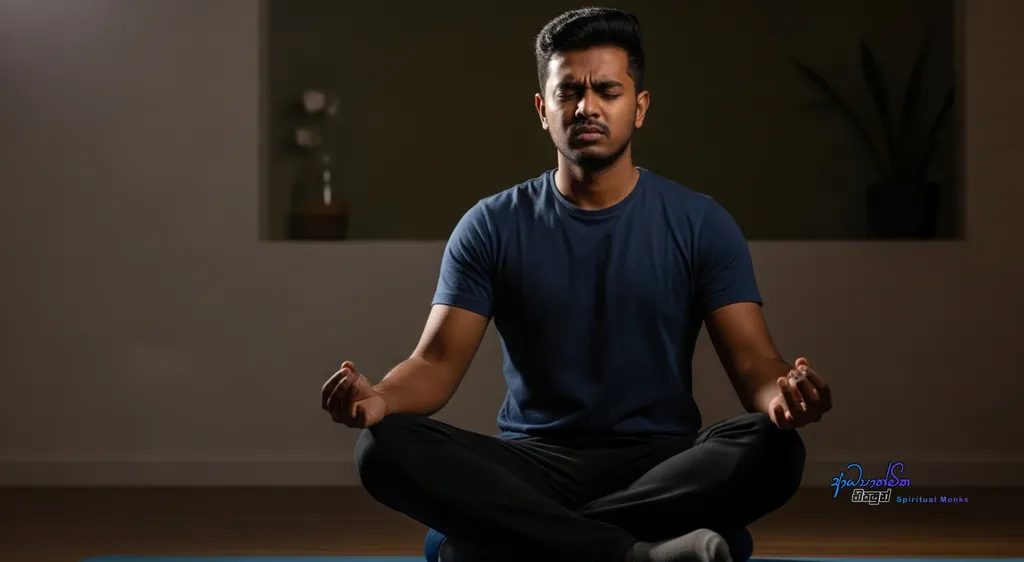
1. The Grip of Phone Addiction
The first and perhaps most modern of the obstacles to meditation is our addiction to our phones. This is a challenge that affects people of all ages, especially the younger generation. Outside of our work duties, and sometimes even during breaks at work, we have become accustomed to constantly using our phones, particularly smartphones.
In countries like Sri Lanka, this often means endless scrolling through social media platforms like Facebook. The most deceptive part of this habit is how time disappears without us noticing. While there are certainly beneficial ways to use these tools, we often see people using them in ways that offer no real value, simply wasting precious time.
You might intend to watch just one or two videos or look at a couple of posts, but before you know it, an hour, or even two, has passed. Many people have shared with me, ‘Venerable Sir, after finishing all my work at night, I plan to go to sleep around 10 PM. But if I pick up my phone, I find myself scrolling until midnight or even 1 AM without realizing it.’ This is a powerful form of addiction that has become a major problem in modern society.
Many people recognize this. They see the problem and want to escape, but they feel trapped, unable to break free. Because of this deep-seated attachment to the phone, even the desire to meditate is not enough. The practice cannot move forward. This addiction also serves as a direct and rapid path to increasing our greed, anger, irritation, and jealousy, which are significant obstacles to meditation.
2. The Hidden Harm of Artificial Light and Screens
Consider what happens late at night. If you aren’t feeling sleepy around 10 PM and think you could meditate, but instead you use your phone, the artificial rays from the screen are truly harmful to your eyes. This light hinders the natural health of our eyes. Vision that should remain clear until age 35, 40, or 50, perhaps without even needing glasses, is weakened by these artificial rays.
Furthermore, the heat generated by the phone can weaken our bodies. And as we constantly use a touchscreen, we must remember that it is not a natural object. The stimulation it provides to our fingers is not healthy; it can gradually weaken our nerves. These physical strains act as subtle but persistent obstacles to meditation, affecting our ability to sit comfortably and peacefully.

3. The Burden of Overeating and Drowsiness
A third common issue is oversleeping, which is often rooted in laziness. Some people may not be addicted to their phones, but they are addicted to excessive sleep. This lethargy is a significant internal weakness.
The Lord Buddha advised monks to eat in the morning and at midday, but to refrain from eating after noon. The wisdom of this becomes clear when you commit to a meditation practice. Imagine you eat a heavy meal at night. It becomes impossible to meditate effectively.
Your body feels heavy, your stomach is full, and sleepiness naturally follows. That profound energy and wakefulness you read about in the lives of the Buddha and enlightened ones, who required very little sleep, becomes unattainable for us. The weight of the food naturally brings on what is known in Buddhism as Thīna-middha, a state of sloth and torpor, or mental dullness and drowsiness. Recognizing these obstacles to meditation, the Buddha established the precept of abstaining from untimely meals (vikāla bhojana) to support a clear and alert mind.
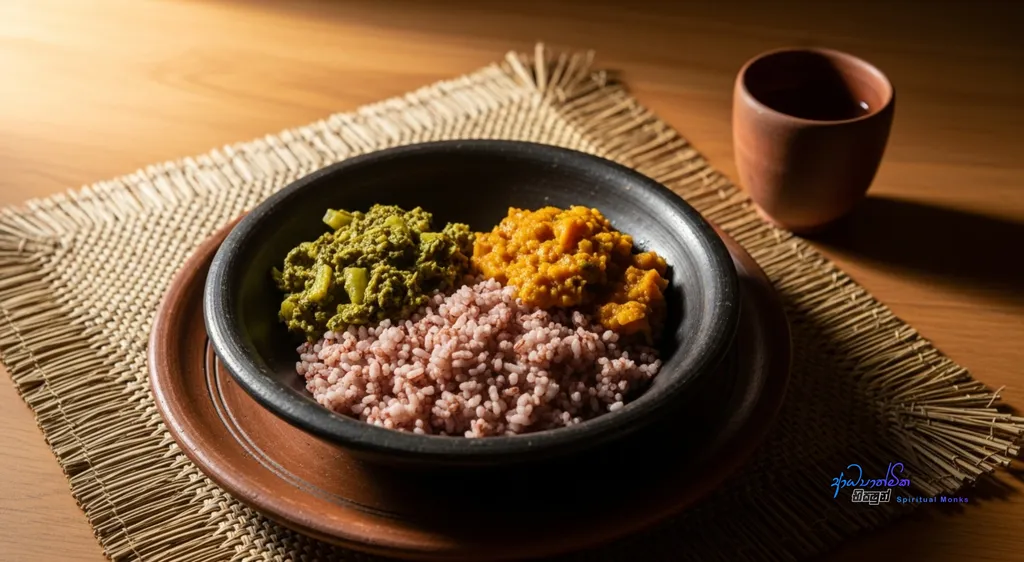
4. The Challenge of Strong Attachments
The fourth of our obstacles to meditation is intense attachment. You know what these attachments are,they can be to your children, parents, spouse, relatives, or friends. If these bonds are excessively strong, they can become a hindrance.
Now, please do not misunderstand this point. This doesn’t mean you must immediately abandon your relationships to meditate. It is not easy to let go, and you should not make such a sudden decision. Simply continue with your meditation practice consistently.
As you proceed, you will naturally begin to understand over time how clinging tightly to someone becomes an obstacle for your meditation and your development of calm and insight. Gradually, you can begin to reduce the intensity of these bonds within yourself.
However, you must never let the other person feel this change. For instance, continue to show your husband or wife that you love them, even if you feel the nature of that love changing. You have not formed a dishonest or inappropriate relationship; you are cultivating your spiritual life for a noble purpose. As your meditation deepens, you may notice that the feeling of attachment lessens. But you must continue to speak with the same loving words as before. Do not show them that anything is missing.

5. Conquering Inner Laziness
The fifth of the obstacles to meditation we will discuss is laziness within ourselves. We must work to overcome this. If you see within yourself, ‘I want to develop my spiritual life, but I am lazy,’ then you must address it. The factors we have already discussed, especially diet and phone addiction, contribute significantly to this laziness. You must identify these causes within yourself and then apply the antidote.
Contemplate the benefits you receive from your spiritual practice. Reflect on any moment of peace or relief you have experienced, even if it was just for a second or a minute during meditation. Focus on that feeling. We have previously offered teachings on how to reflect on the experiences and benefits gained from meditation to overcome this very obstacle. By listening to and applying those teachings, you can certainly dispel the laziness that holds you back.

Summary: A Call to Mindful Living
These are the points I wanted to share with you today. I hope that by taking this time to explain them, this teaching on the ‘Obstacles to Meditation’ has been helpful. I will conclude the teaching here.
By the power and blessings of the Buddha, Dhamma, and Sangha, the Triple Gem, may you all understand these points clearly and be able to develop your spiritual lives.
We invite you to walk this path with us. Read our teachings, and most importantly, apply them practically in your own life. as you practice, questions will naturally arise. Please feel free to share your experiences and questions in the comments below, via email or contact form. I will do my best to offer guidance in future talks based on your progress. For now, begin this practice with an open heart and a mind free from expectation. Cultivate it correctly, and may you find the clarity and peace you seek.
Thank you for joining us. We hope this blog will be of great benefit to your spiritual journey.
May you all be well and happy.
May the blessings of the Triple Gem be with you all!.


