


Categories: Eradicate the Fear of Meditation
May the blessings of the Triple Gem be with you all!
As we walk the spiritual path, seeking to cultivate our inner lives, one of the most important things we must learn is how to think. This article aims to clarify a particular way of thinking that is essential for anyone exploring their spirituality, especially when encountering the various phenomena that arise during meditation.
A common challenge for many practitioners is dealing with the things we feel, see, understand, or perceive during our practice. For some, these meditation experiences can become a source of confusion or problems. This is a natural part of spiritual development that everyone encounters.
Some people pay it great attention, while others may ignore it, perhaps based on a teacher’s guidance or through their own innate wisdom. As we explore this topic further, you will begin to understand its significance.
Understanding the Landscape of the Mind: Samatha and Vipassanā
When we develop our spiritual practice, whether through calming meditation, known as Samatha, or insight meditation, known as Vipassanā, we encounter different phenomena. In our previous teachings, we have discussed practices like the ‘Third Eye’ meditation, practices for reaching higher states of consciousness (like the Brahma worlds), and methods to awaken what some call divine sight, or dibba-cakkhu. Meditations such as focusing on the breath (Ānāpānasati), contemplation of the body (Asubha), or using visual objects (Kasiṇa) can lead to these states.
Through these methods, you may become aware of energies, sometimes referred to as cosmic energy or Kundalini. Many things can be felt, understood, or even seen. Wisdom-based insights often arise from mindfulness and Vipassanā practice.
In contrast, the experiences from Samatha meditation are more often felt as physical sensations, clear understandings, or visions. While Vipassanā also has these elements, the seeing, hearing, and feeling aspects are most prominent in concentration-based practices, as insight meditation is primarily aimed at fostering direct wisdom.
These meditation experiences are not limited to when your eyes are closed. A dedicated practitioner might begin to perceive things even with their eyes open. This is a deeper level of practice. For example, the ability developed through a ‘Third Eye’ meditation is not confined to moments of formal, eyes-closed practice. We have even discussed how this can manifest naturally in children and young people. The key point is to understand what is happening as you engage with these practices.
Is My Path Wrong? Overcoming a Common Spiritual Fear
To move forward without fear, we must adopt a certain understanding. Many people contact us, describing their meditation experiences and asking the same question: ‘Am I doing something wrong? Have I made a mistake? Am I on the wrong path?’
Let me be very clear: in authentic spiritual development, there is no such thing as going astray or making a mistake in this way. Feeling, seeing, understanding, or perceiving various things is a special characteristic of the spiritual path. It is a sign of progress, not an error.
A true mistake happens at the very foundation. For instance, someone might think they are practicing Vipassanā (insight meditation) but are actually practicing Samatha (concentration). They might take profound terms from the Buddha’s teachings, like those found in the doctrine of Dependent Origination (Paṭiccasamuppāda) or the Three Marks of Existence (Tilakkhaṇa), and start repeating them like a mantra.
This is a misunderstanding of the practice. Instead of developing insight, they are developing concentration by using the words as a meditation object (kammaṭṭhāna). This is a foundational error, often stemming from a lack of proper guidance or self-study. These are the kinds of missteps that can happen, not the experiences that arise from correct practice.
The Two Great Hurdles: Fear and Doubt
Let’s focus on the common meditation experiences from concentration practices, which include traditional Buddhist methods like mindfulness of the Buddha (Buddhānussati) and practices from outside the direct Buddhist canon that involve concepts like cosmic energy, Kundalini, or chakra meditations. All these fall under the umbrella of Samatha, as regular explorers of our teachings will know.
While practicing these, many things can happen. I will not repeat all the specific sensations we have discussed in past articles, such as those detailed in our series on overcoming fear in meditation. The purpose of those teachings was to help you face these moments without fear so you can continue your journey successfully.
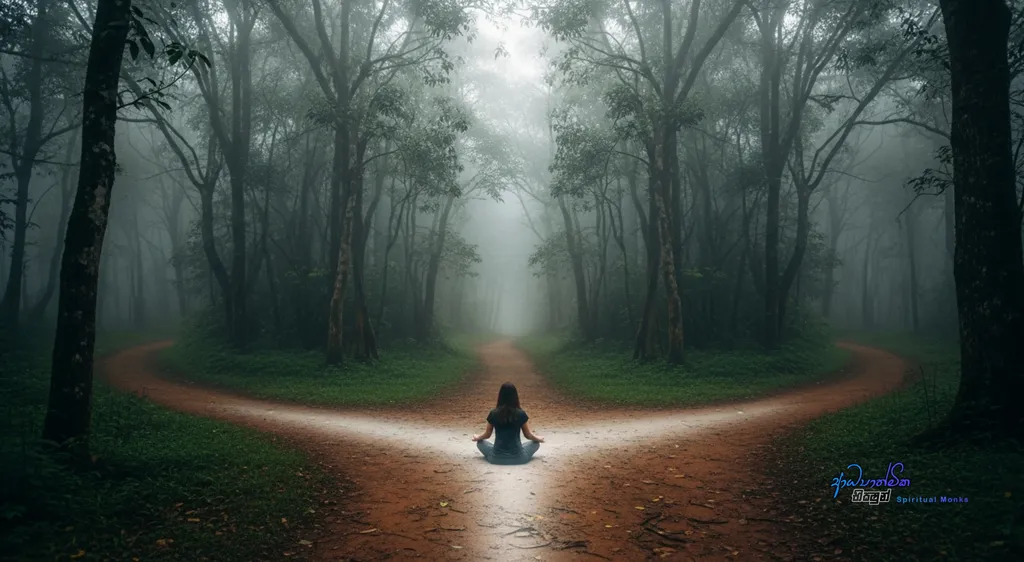
However, I want to emphasize the mindset required to face them. When you are practicing, whether Samatha or the mindfulness practice we have taught to shorten your journey through saṃsāra (the cycle of rebirth), you will face physical and mental challenges. The first is fear.
The second is the conclusion that your path is wrong because of these strange meditation experiences. For example, we recently discussed a state of concentration that feels like sleepiness, which caused many to worry they had gone astray. This is precisely why this guidance is so necessary.
The Ultimate Reframe: ‘This is Normal’
Here is the most important point to remember. Please hold onto this. Nothing you experience in meditation is a mistake on your path. It is not a sign that you are doing something wrong. If you feel, understand, perceive, or see anything, no matter what it is, I repeat: it is not an error.
It is a natural characteristic of the path you are on. It is a feature, a signpost that confirms you are on the correct road. You must understand this. For example, during meditation, you might suddenly feel as if your body is floating.
This is a very common experience for those practicing concentration, whether it’s the Third Eye meditation, mindfulness of the Buddha, or any other Samatha practice. As the mind becomes subtle, the body feels light, fine, and buoyant. Yet, this very sensation causes many people to feel fear.
When this or any other new experience arises, and you feel fear or panic, you must tell your mind: ‘This is a normal and natural part of the spiritual path. This is what spirituality is. This is a common experience when the mind is developed through concentration. The teacher on the Spiritual Bikkhu channel said this is exactly what happens. Therefore, this is a normal thing. I will proceed without fear and without skeptical doubt (vicikicchā) that my path is wrong.’
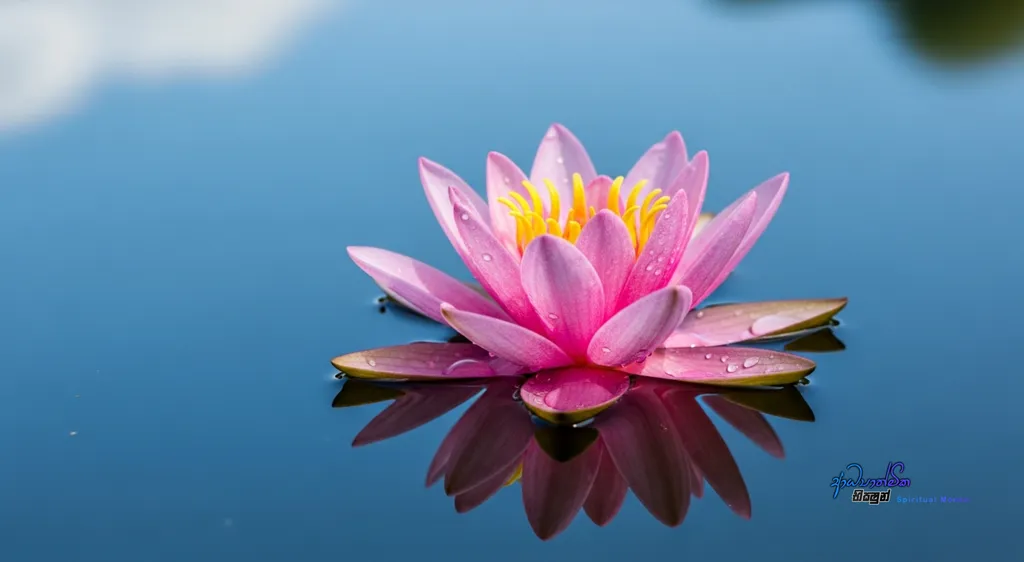
From Fear to Freedom: Cultivating Equanimity (Upekkhā)
When you instill this thought into your mind, the fear that arises when facing these meditation experiences disappears. The skeptical doubt (vicikicchā) about your path also vanishes. By constantly thinking, ‘This is normal,’ you automatically become a neutral person. You become an equanimous person. This is not something you force; it happens by itself. This is how you begin to walk the Middle Path.
This shift grants you the freedom to move forward without fear, panic, or doubt. You no longer worry if you have made a mistake. Most people are unaware of this simple but powerful secret. By adopting this attitude, you prevent your own progress from being halted by fear.
This may not be easy to practice at first. Fear and doubt are strong habits for both men and women. In that moment of panic, it might be difficult to even remember your meditation object. But just think: ‘This is a normal event in meditation.’ You can even test this.
If you face the experience with this attitude of equanimity what we call upekkhā and without spiritual craving (i.e., not hoping for it to happen again), you will find peace. By facing that first experience without fear or doubt, you allow for it and other experiences to arise again. As they do, and as you meet them in the same way, they truly become normal for you.

Like the Seasons: An Analogy for Spiritual Experiences
Think of it like moving to a new house. At first, you don’t just walk into the kitchen or wander through all the bedrooms. You feel a bit shy and reserved because it’s not your home yet. But once you become familiar with it, you walk around anywhere without a second thought. You can go to the kitchen without any hesitation. Your spiritual journey is the same. By adopting this mindset this simple thought that ‘this is a normal part of meditation’ you become comfortable in the vast house of your own mind.
We can also see this in nature. In Sri Lanka, we know that December brings a certain cold, especially in areas like Nuwara Eliya. We know that October and November are rainy. We know that January, February, and March are usually sunny, April brings thunderstorms, and May is windy. We know these patterns. We don’t panic when it rains in the rainy season because we understand it’s a normal occurrence. We treat it as an ordinary event.
If you can adopt this same attitude towards your meditation experiences even one you have never had before, whether from Samatha or Vipassanā and simply tell yourself, ‘Ah, this is a normal thing that happens in meditation,’ you can put it in your mind at that very moment. Even if the experience is entirely new and unfamiliar, think this thought.
Then, as I mentioned, you will be able to face it peacefully and freely, without any panic, fear, doubt, or thoughts of being on the wrong path. This is the understanding I wanted to share with you, as it is a point where many people, both men and women, falter. With this insight, you can continue to develop your spiritual life successfully.
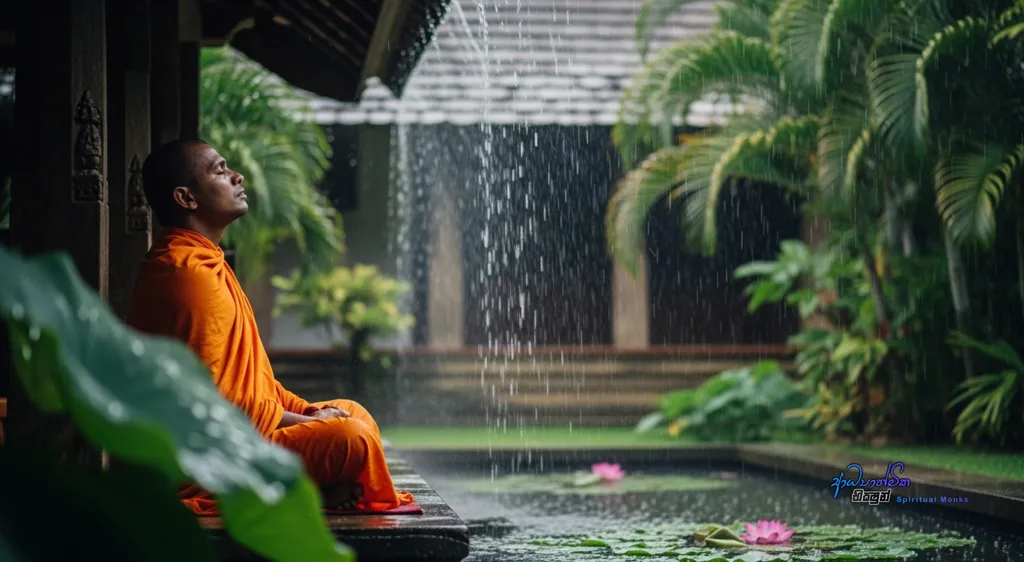
A Final Blessing
With this, I will conclude today’s teaching on seeing the things felt in meditation as normal. May you all have the ability to act according to this wisdom.
We invite you to walk this path with us. Read our teachings, and most importantly, apply them practically in your own life. as you practice, questions will naturally arise. Please feel free to share your experiences and questions in the comments below, via email or contact form. I will do my best to offer guidance in future talks based on your progress. For now, begin this practice with an open heart and a mind free from expectation. Cultivate it correctly, and may you find the clarity and peace you seek.
Thank you for joining us. We hope this blog will be of great benefit to your spiritual journey.
May you all be well and happy.
May the blessings of the Triple Gem be with you all!.


