


Categories: Lost Your Meditation Spark?
May the blessings of the Triple Gem, the Buddha, the Dhamma (His teachings), and the Sangha (the community), be with you all!
If you are on a spiritual path, exploring the inner world through meditation, you may have encountered moments of frustration, discouragement, or a feeling of being stuck. Perhaps the initial enthusiasm has faded, and your practice feels stagnant.
You might wonder: how can I restore my interest and deepen my commitment? This teaching offers a practical, experience-based method to help you find that meditation motivation once again. By training in this simple way, you can achieve tangible results and revitalize your spiritual journey. This article aims to provide you with the same experiential guidance, an insight that will surely spark a renewed interest in your spiritual development.
Remembering the Taste of Peace: Your Personal Anchor
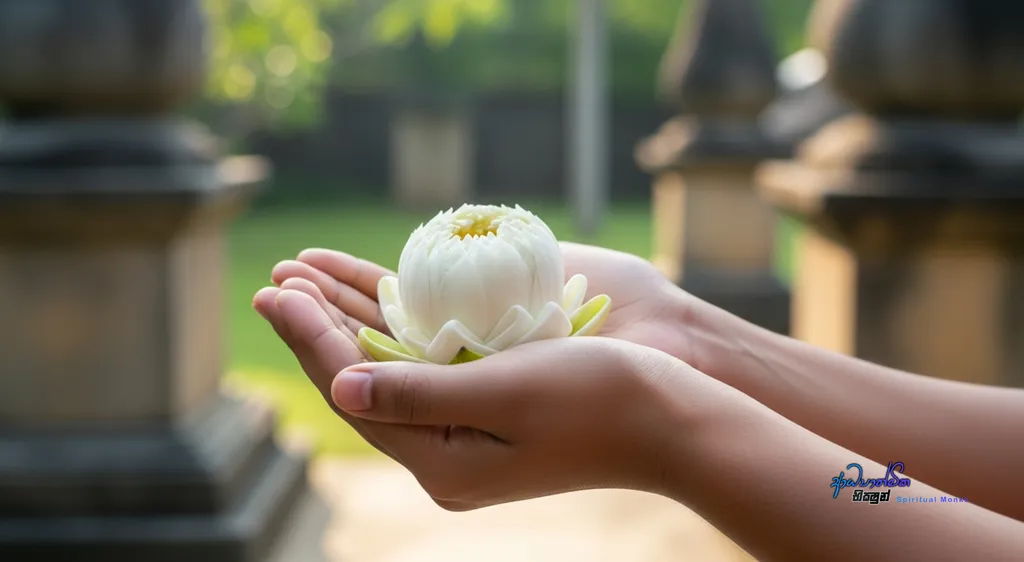
Let’s begin by looking back. From the day you started meditating until this very moment, you have almost certainly experienced at least a brief instance of peace. It might have been for just a few seconds, a minute, or perhaps five minutes or more. It could have been a physical sensation or a mental one, or both. Think back to these experiences.
Do you recall a moment when your body felt incredibly light, as if it were floating or being gently pulled upward? Or a time when your mind became quiet and unified, bringing a profound sense of mental ease? These moments of deep calm are states of concentration, known in Buddhism as Samādhi, and can even touch upon blissful states of absorption called Jhāna. You surely remember these feelings. Even a 30-second taste of such peace is a powerful memory. Regardless of your background, age, or circumstances, you have felt this. This experience is your starting point.
The Twin Traps: How Fear and Expectation Sabotage Your Practice
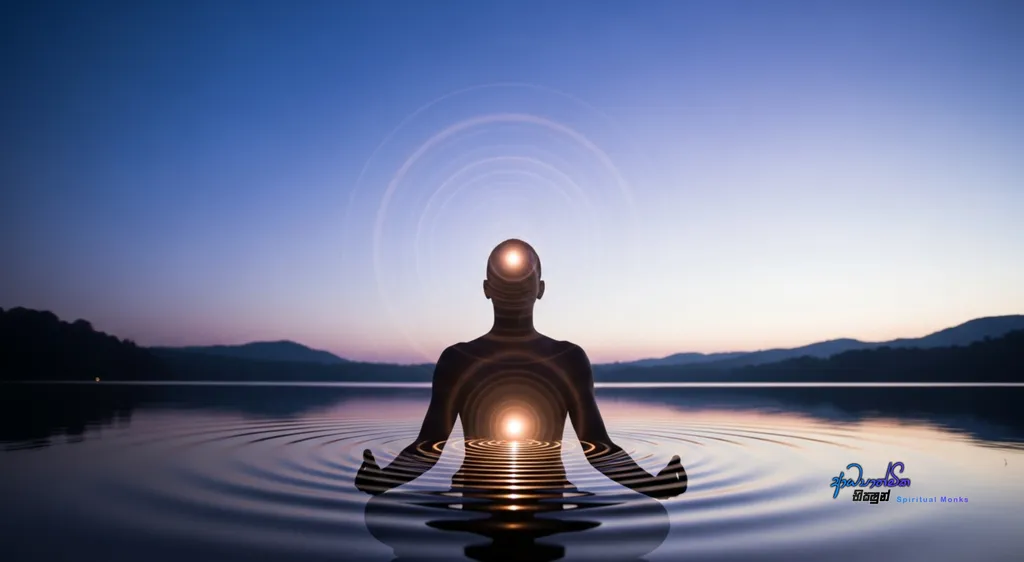
When we encounter these profound states, two common pitfalls can derail our progress. First, the experience can be so unfamiliar that it triggers fear. We might feel our body floating or see lights, get startled, and immediately open our eyes, breaking the concentration. Afterwards, we may try to get back to that state, but the expectation itself becomes a barrier.
The second pitfall affects those who face the experience without fear. The next time they sit to meditate, they do so with the expectation of repeating that wonderful feeling. But meditation doesn’t work on demand. When the experience doesn’t reappear, the session becomes a struggle. An hour can feel agonizingly long.
This isn’t just a one-time problem; this pattern of expectation and disappointment can persist, making the practice feel fruitless. We have previously discussed the importance of meditating without expectation. If you approach your practice without clinging to past results, you create the space for new insights to arise. But for now, recognize that whether you reacted with fear or with craving, you are not alone. Both paths can lead to a loss of meditation motivation.
Navigating the ‘Tasteless’ Plateau: Understanding the Mind’s Nature
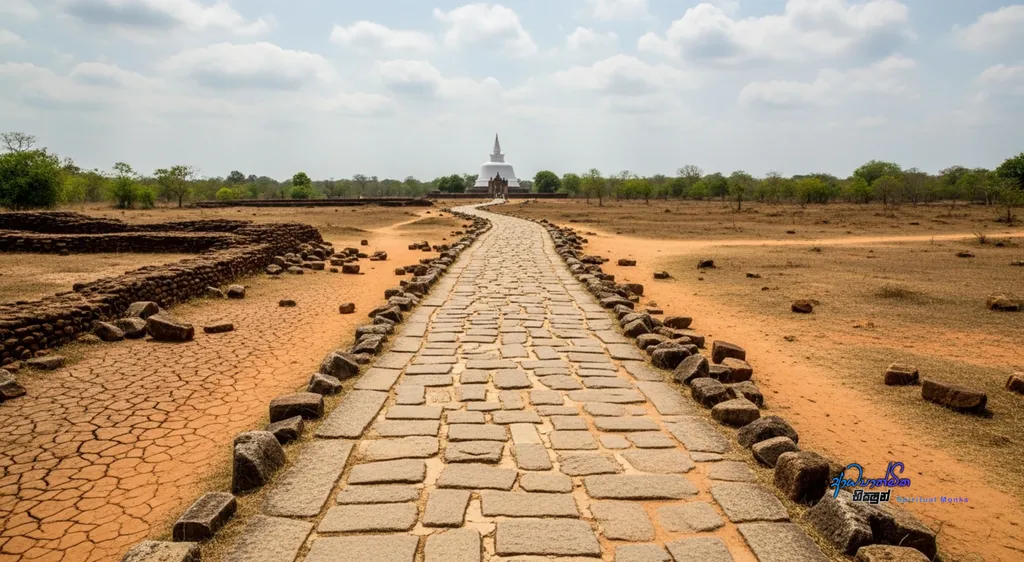
After a period of practice, especially after the initial excitement fades, you may enter a phase where meditation feels completely ‘tasteless’ or as if it has ‘no flavor in this world’ (melō rahak nathi). The peace you once felt seems distant, and sitting becomes a chore done out of habit. You might feel bored, lazy, and utterly uninspired.
This is a crucial point to understand: this is the nature of the mind. The mind is a vast and complex territory, and to explore it, we must learn to overcome the barriers it creates. Understanding this phase is the key to conquering it.
Many people mistake this ‘tasteless’ period for failure. They believe their meditation motivation is gone for good, give up the practice, and slide back into their old, habitual ways of life. We have seen this happen to many people. The initial burst of energy can’t last forever.
The mind itself will start to create a sense of aversion toward the very exploration of itself. The real spiritual journey begins precisely at this point, beyond the initial pleasant feelings. If you can maintain your awareness and remain patient and balanced, a quality known as Upekkhā, or equanimity, during this dry period, you will break through to a much deeper understanding of the mind, both through tranquility (Samatha) and insight (Vipassanā).
The Core Technique: Using Memory to Cultivate Spiritual Energy (Viriya)
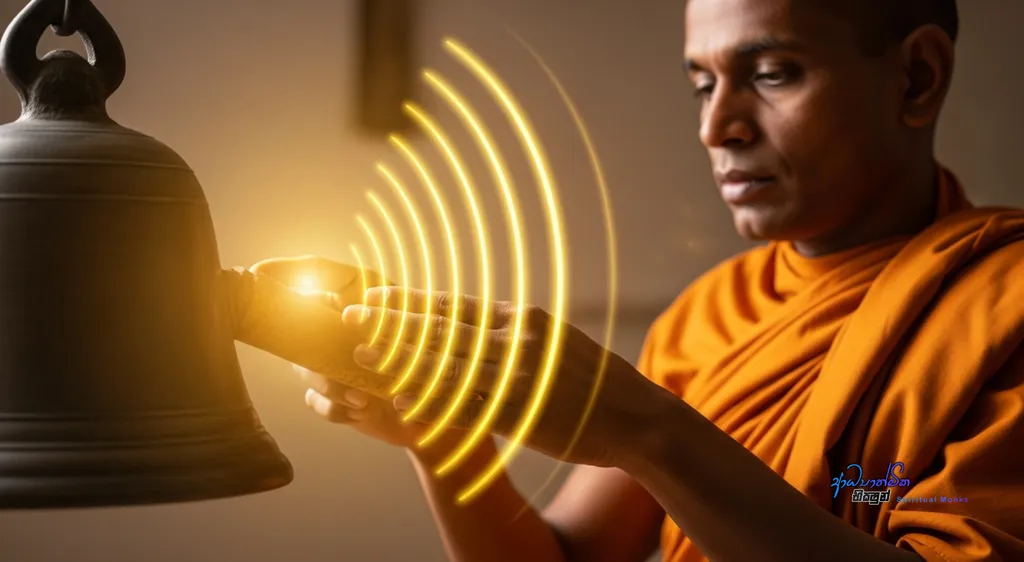
So, what is the practical step to reignite your meditation motivation? When you feel discouraged, uninspired, or like giving up, you must engage in this simple but powerful practice: repeatedly bring to mind the memory of the peace you once experienced.
Think, “On that day, say January 1st, during my morning meditation, I felt such a profound sense of peace. I truly experienced that lightness.” Do this again and again. As you continuously reflect on that past positive experience, you will notice your interest and desire to practice meditation naturally begin to grow. This is how you cultivate what is known in Buddhism as Viriya, persistent effort and spiritual energy. Your own mind begins to motivate itself.
This practice helps to overcome drowsiness and laziness during meditation. It subdues the mental hindrances. However, there is a crucial instruction: as you recall this memory, do not crave for the exact same experience to happen again. Do not become attached to it or expect a repeat performance. Simply remember it. Let the memory itself be the source of encouragement.
A subtle desire might arise, as we have not yet removed all defilements, and that’s okay. The key is to not let it harden into a concrete expectation. The goal here is not to replicate the past, but to generate a powerful, vibrant energy in the present moment, to get your ‘spark’ back.
Making It a Habit: Lessons from the Masters of the Past
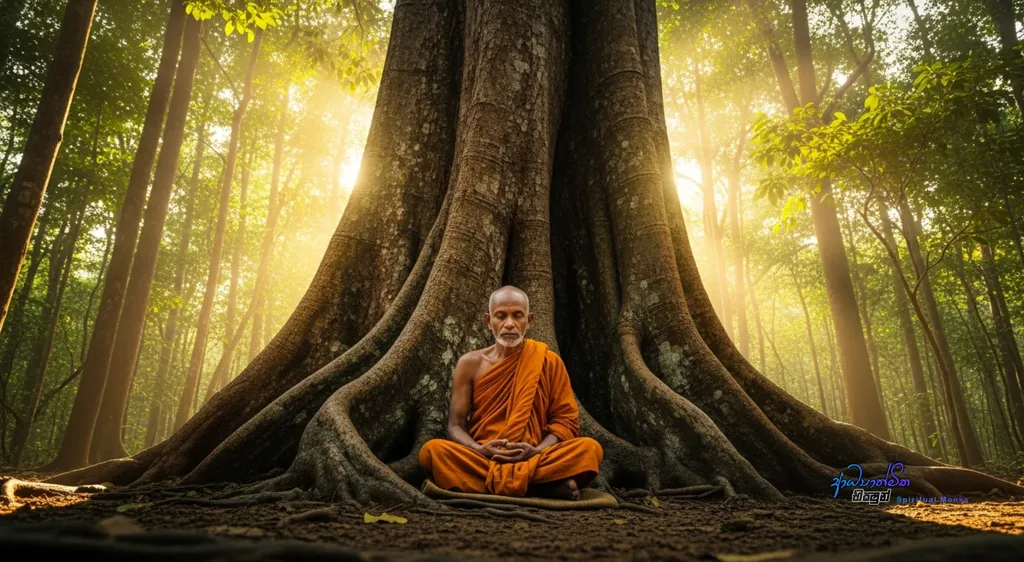
This practice of mindful recollection is a powerful tool endorsed by the Buddha himself in the ancient texts of the Tripitaka, the Buddhist canon. Forest-dwelling monks have long used this method to generate Viriya when their energy wanes. They reflect on the efforts of the enlightened masters of the past to inspire themselves.
You are doing the same, but using your own direct experience as the catalyst. Keep reflecting on your moment of peace until you feel that ‘spark’, that energetic quality, return to your mind.
You can do this anytime, not just during meditation. When you have a free moment, when you are not engaged in a demanding task, bring the memory to mind. For some, it’s even possible to do this while engaged in daily routines. Do it continuously.
Reflect on it before you go to sleep. This can even lead to your dreams becoming focused on your practice, showing you meditating with great energy. Reflect on it the moment you wake up. This constant recollection sends a powerful message to your mind.
Our minds naturally gravitate towards negative, weakening thoughts, the things that keep us bound to the cycle of suffering. The mind quickly grasps these things. But it is slow to grasp the things that lead to liberation, to inner peace, to Nibbāna. Therefore, we must consciously and persistently impress these positive, uplifting truths upon the mind until they take firm root. This is how we move forward on the path.
Your Inner Fuel for the Journey Ahead
By mindfully recollecting your past experiences of peace, without craving or attachment, you create the very conditions for your meditation motivation to flourish. You generate the energy, the ‘spark’, and the enthusiastic desire to practice. This allows you to sit for meditation with a renewed sense of purpose. This understanding is vital for your spiritual development. It creates the cause for you to experience new dimensions of peace that you have not yet encountered.
I trust that these teachings have brought you clarity. With this understanding, may you have the strength to put these principles into practice. May the power of the Triple Gem guide you on your journey.
We invite you to walk this path with us. Read our teachings, and most importantly, apply them practically in your own life. as you practice, questions will naturally arise. Please feel free to share your experiences and questions in the comments below, via email or contact form. I will do my best to offer guidance in future talks based on your progress. For now, begin this practice with an open heart and a mind free from expectation. Cultivate it correctly, and may you find the clarity and peace you seek.
Thank you for joining us. We hope this blog will be of great benefit to your spiritual journey.
May you all be well and happy.
May the blessings of the Triple Gem be with you all!.


