


Categories: Lost Your Meditation Spark?
May the blessings of the Triple Gem be with you all!
Today, as we continue to explore the practical spiritual life together, we will reflect on a crucial aspect of your meditation practice: the quality of faith. When we undertake any endeavor, especially something as profound as meditation, it is essential that we have confidence or trust in what we are doing. Without this fundamental trust, our training can falter, and we may find it impossible to proceed correctly.
The spiritual path is exceptionally subtle. It operates in a realm that is invisible to our ordinary senses, unlike the material world which we can see and touch. Spiritual progress cannot be bought with money or acquired like a physical object.
It is something we can only understand through the gradual awakening of wisdom through the feelings, sights, and sounds that emerge from within our own spiritual cultivation. Because we are dealing with our minds in such a deep and constant way, a firm and unwavering faith in meditation is absolutely necessary.
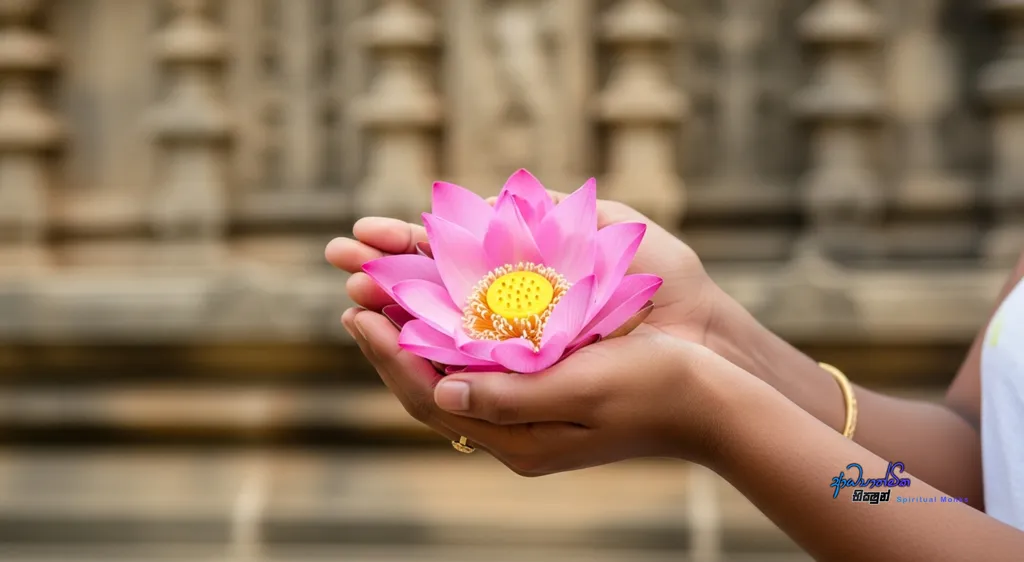
Overcoming the Poison of Doubt in Meditation
In his teachings, the Buddha identified this quality as a great strength. Among the Thirty-seven Factors of Enlightenment (Sattis Bōdhipakkhika Dhamma) and the Five Powers (Pañca Bala), he highlighted the power of faith, known in the Pali language as Saddhā. Saddhā is not blind belief, but rather a confident trust born from understanding and experience.
When we practice a particular meditation for a long time, we must be free from doubt about it. If doubt lingers, we cannot develop our practice. For example, you might find yourself wondering:
- “Will this meditation really bring me results?”
- “Can I truly succeed with this method?”
- “Is this the correct form of meditation for me?”
If these kinds of questions and uncertainties exist within you, they will prevent your meditation from maturing and may even stop you from receiving any results at all. This internal conflict, known as vicikicchā or skeptical doubt, is a significant obstacle that hinders our ability to practice correctly.
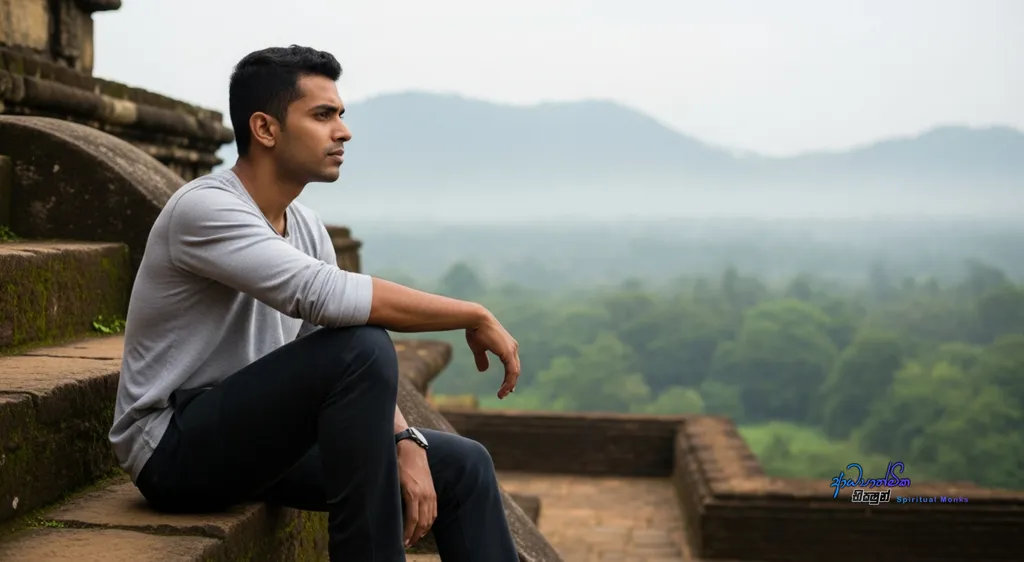
The Delicate Matter of Trusting a Spiritual Guide
Another crucial point is the need for trust in the teacher who guides you in meditation. If you harbor doubt about your teacher, you will not be able to develop spiritually. Now, in this day and age, it is understandable that a certain mistrust of teachers can arise. There are, unfortunately, lay teachers and even those who seem to be spiritual guides who teach tranquility meditation (Samatha) with worldly aims in mind, whether for sensual pleasure or financial gain.
However, among them are also genuine teachers who offer guidance without such selfish motives. We can only come to understand who is genuine by spending time with them, listening to their words, and observing how they apply their teachings in their own lives.
We cannot jump to a conclusion after just a day or two. It requires a longer association—perhaps six months, a year, or even two or three years. Only through this sustained observation can we arrive at a sound conclusion and build a foundation of trust.
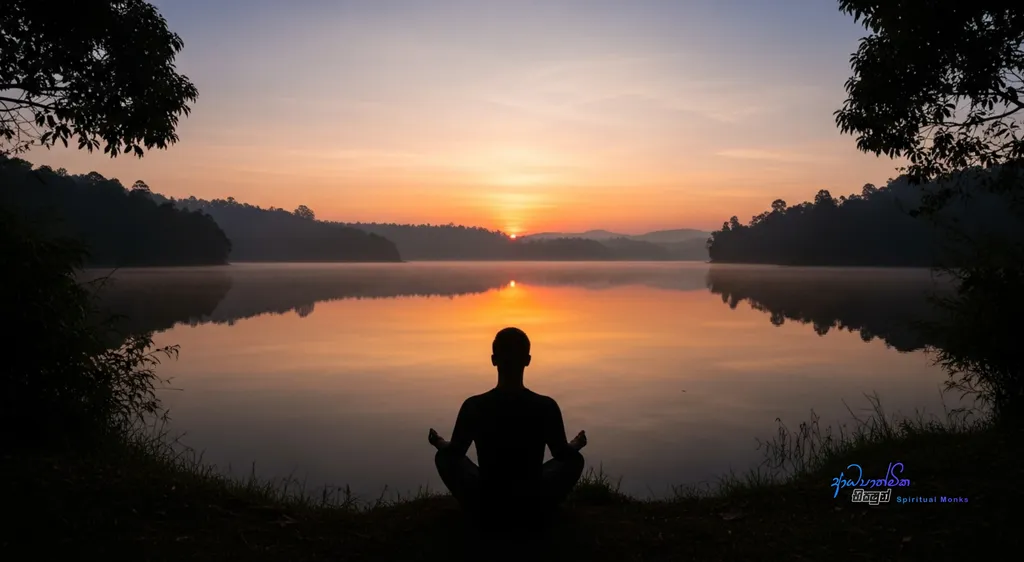
How Your Own Experiences Build Unshakable Faith
To develop your meditation, you must first have faith in meditation within yourself. In our teachings, we have explored both insight meditation (Vipassanā), through our series on maintaining mindfulness, as well as tranquility meditation (Samatha). By now, you likely have a broad understanding of these practices and may have gained some practical experience.
You can trust your spiritual path by reflecting on these very experiences. Consider all that you have gained so far the things you have felt, seen, or heard during your practice. If you have received any kind of result, any new understanding from applying these methods, this becomes a powerful reason to trust the path you are on.
This is precisely why I am presenting this teaching today: to encourage you not to lose faith. Do not harbor mistrust in the Samatha meditation you are cultivating or the mindfulness you are practicing. This is a long-term training that must be built on a foundation of confidence.
In a previous teaching, we discussed how to increase your desire for meditation by reflecting on the pleasant states you have experienced. We explained that if your energy (viriya) is low, you can reignite it by repeatedly bringing to mind the positive results and feelings you have already gained. Those same principles apply here; reflecting on your progress also strengthens your faith.
This is why it is so important to see for yourself that the path is working, that this journey is correct, and that you are awakening wisdom (paññā). When I say wisdom, I mean the way you come to understand things through direct experience. The emergence of this wisdom is a sign that you can develop your spirituality to a great extent. Without it, we can never truly advance.
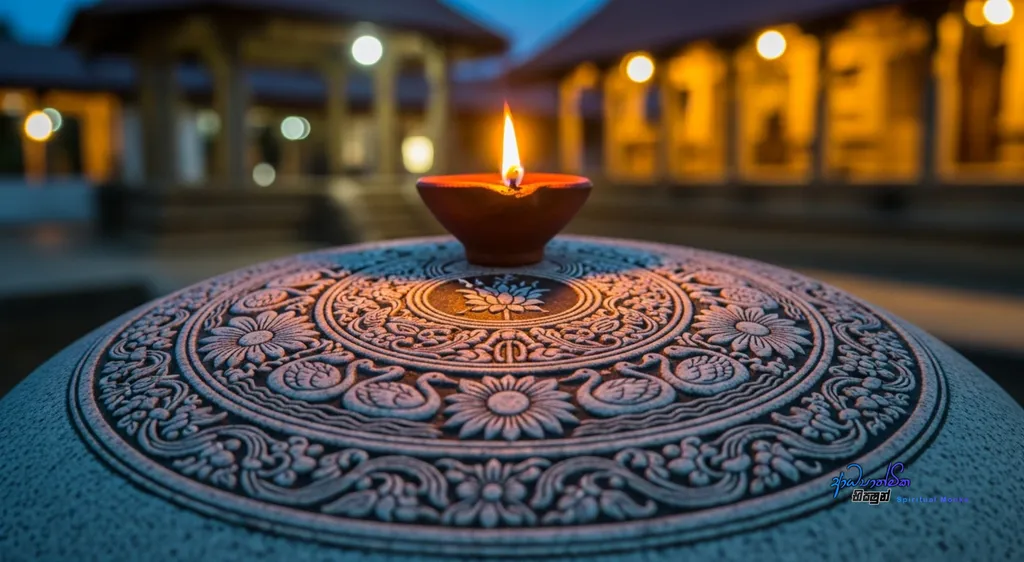
Faith as Freedom: Lessons from Our Worldly Lives
In one sense, trust is a form of mental freedom. Consider this in your worldly life. In a marriage or a loving relationship, when mutual trust exists, suspicion doesn’t arise about your partner. You don’t have to wonder or worry. Think about how much mental peace and freedom you experience in that state, simply because doubt is absent. Look at how much freedom and happiness that trust brings, even on a worldly level.
Similarly, if you have employees working for you, and one of them is completely trustworthy, you can leave anything of value money, precious items without a second thought. You have confidence in that person. You don’t need to take extra precautions to protect things from them. For an employer, having such an employee is an incredible relief. In a way, it is a blessing, a fruit of good fortune (puñya). Notice how, even in these ordinary matters, trust is a powerful aid, contributing to our freedom and strength.

From Worldly Trust to Supramundane Liberation
I have presented these two worldly examples for you to reflect upon. If trust brings such benefits in these ordinary matters, imagine its power on the spiritual path. This path, when it leads to insight (Vipassanā), is supramundane (lokottara). Even on the worldly level of spiritual development whether cultivating the five supernormal knowledges (pañca abhiññā), worldly meditative absorptions (laukika jhānas), or practices like opening the ‘third eye’ through Samatha meditation if we place our trust in these methods, think how much freedom we will experience.
This is why doubt is considered one of the ‘ten armies of Mara’ the forces that obstruct enlightenment. These obstacles must be overcome. If they persist, we cannot develop spiritually. If, by some chance, you have doubt about the Buddha, the Dhamma (his teachings), or the Sangha (the community of noble disciples who follow the path), you will never be able to travel this road.

Addressing Modern Skepticism: Trusting Ancient Wisdom=
Think about your secular education. When you go to school, university, or professional training, you go to your teachers and you trust them. You never doubt your teacher while learning. If you fail an exam, you don’t go and blame the teacher, because you know they taught with diligence. You understand that passing or failing is your own weakness.
Unfortunately, there is a certain ‘radical’ mindset in today’s youth society. Many young people doubt the Dhamma that has been passed down for 2,500 years. They ask, “How could it be transmitted through memorization for so long? Weren’t the Arahants (enlightened beings) just human?” It is true, Arahants were human.
But their minds were not like ours. Their minds were cleansed of defilements (kilesa) and possessed extraordinary memory and concentration. In fact, even in modern times, I recall a monk in Burma who held a world record for memorizing and reciting the entire Tripitaka (the Buddhist scriptures).
Because of this modern tendency to measure everything by ordinary standards, young people who doubt the transmission of the Tripitaka can never develop spiritually, even if they practice. Why? Because they hold doubt towards the Buddha, the Dhamma he taught, and the great Sangha that follows his path.
With this lack of trust, the journey becomes impossible. In truth, as we practice little by little, factors that increase our confidence arise; we don’t find reasons to distrust the Buddha’s teachings. Day by day, as we practice, the points mentioned in the Tripitaka become clearer to us, and our faith in meditation and the path grows stronger.

When Progress Stalls: Taking Personal Responsibility
You must understand this at all times: if you are not getting results from your meditation, it is because of some weakness within you. It could be a flaw in your ethical conduct (sīla), an issue with spiritual expectations what we have previously called spiritual craving in other teachings or some other obstacle in your mind. If you are experiencing blocks, such as those from past actions (kamma), we have discussed in another teaching how to ask for forgiveness from the Triple Gem when meditation is not progressing.
Of course, we practice without expecting results. We have always taught that whether you get results or not, you should continue to develop your meditation until the day you die. So, if results don’t come, there is no one to blame. We cannot blame the teacher, the Buddha, or his teachings.
It is just like the school exam I mentioned earlier. You don’t blame the teacher when you fail, because you know other students from that same teacher passed, went to university, and even earned PhDs, while you remain where you are. In the same way, countless beings have achieved results by following the Buddha, his teachings, and the Sangha. Therefore, we must understand that the problem lies with us.

Cherish Every Glimmer of Peace: Your Foundation for Faith
From this, you can now understand how valuable and necessary this quality of trust is. I want to put it simply: if you have meditated for even five minutes or thirty seconds, or one minute and experienced a moment of peace or mental comfort, that subtle experience is incredibly precious. It is enough to establish your faith in meditation. It becomes your reason to trust the Triple Gem, your teacher, and to believe that if you continue to practice, this quality will grow even more.
If you work with this understanding, your spiritual life can develop further and further. If you trust what your teachers guide you to do and act with integrity, upholding your ethical conduct, and practice what the Buddha taught whether it is the insight practice of mindfulness or the tranquility practices like the ‘third eye’ or Brahma-world meditations we have shared then you are on the right path. This is the understanding I wanted to impart to you today, as it is a most fundamental and valuable part of your spiritual life. I will not extend this teaching further, as it is best to offer the necessary points at the right time for everyone.
May the power of the Buddha, Dhamma, and Sangha the Triple Gem help you to understand these points clearly and, with ever-growing confidence, develop yourself in both tranquility (Samatha) and insight (Vipassanā) meditation.
We invite you to walk this path with us. Read our teachings, and most importantly, apply them practically in your own life. as you practice, questions will naturally arise. Please feel free to share your experiences and questions in the comments below, via email or contact form. I will do my best to offer guidance in future talks based on your progress. For now, begin this practice with an open heart and a mind free from expectation. Cultivate it correctly, and may you find the clarity and peace you seek.
Thank you for joining us. We hope this blog will be of great benefit to your spiritual journey.
May you all be well and happy.
May the blessings of the Triple Gem be with you all!.


