


Categories: Maintaining Mindfulness
May the blessings of the Triple Gem be with you all!
Welcome. In this reflection, we will explore a profound practical experience of the spiritual journey. This is an experience that exists within all of us. What we will discuss, the act of entering seclusion or, metaphorically, ‘going into the forest’, is something anyone can encounter on their path.
By understanding this process, you can gain deep insight into the workings of your own mind. This exploration will be a great help for your future meditation practice, highlighting just how crucial and supportive the practice of mindfulness, or Sati, truly is.
To begin, let’s imagine a person. This could be a man or a woman, as this spiritual journey transcends gender, race, and age. Let’s say this person lives a life completely heedless of the five precepts, the basic ethical conduct in Buddhism. They are addicted to gambling, entangled in immoral acts, and engage in sexual misconduct, or what is known as Kāma-micchācāra. Imagine they have committed serious harms, have had numerous partners, and are deeply involved with drugs and alcohol.
They have indulged in every possible worldly pleasure: money, status, the latest technology, luxury vehicles, and beautiful homes. They have used every material comfort available.

A Glimpse of Peace: The Encounter with a Renunciate
Then, at a certain point in their life, they begin to feel a great emptiness, a profound void or ‘gap’ (what is called a hidasak). They realize something fundamental is missing. Despite having all the wealth and sensory pleasures they could desire,partners, possessions, power,this gnawing sense of lack persists. They wonder, ‘What is this emptiness I feel?’ The feeling is a deep ache in their heart.
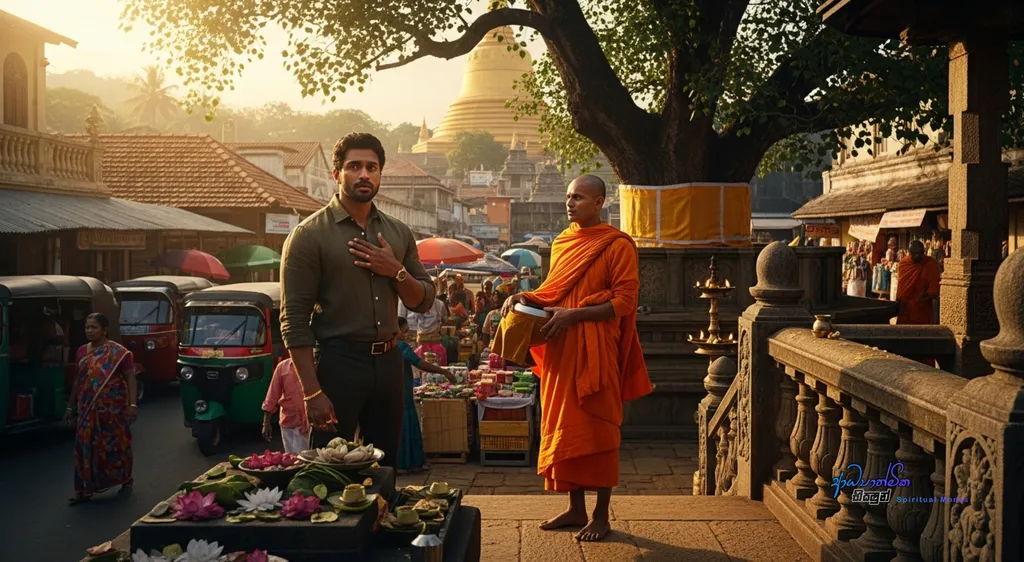
One day, much like the Bodhisattva Siddhartha Gautama saw the four heavenly signs, this person encounters a renunciate,a monk in robes. This sight is striking. They see that in a world where people wear colorful clothes and chase after diverse careers, both honest and dishonest, to fund a life of pleasure, here is someone different.
The monk’s simple saffron robe stands in stark contrast. They think, ‘Why is this person wearing such a simple garment? There must be a special reason.’ This thought sparks a deep curiosity.
The First Taste of Dhamma: A Drop of Water on a Parched Heart
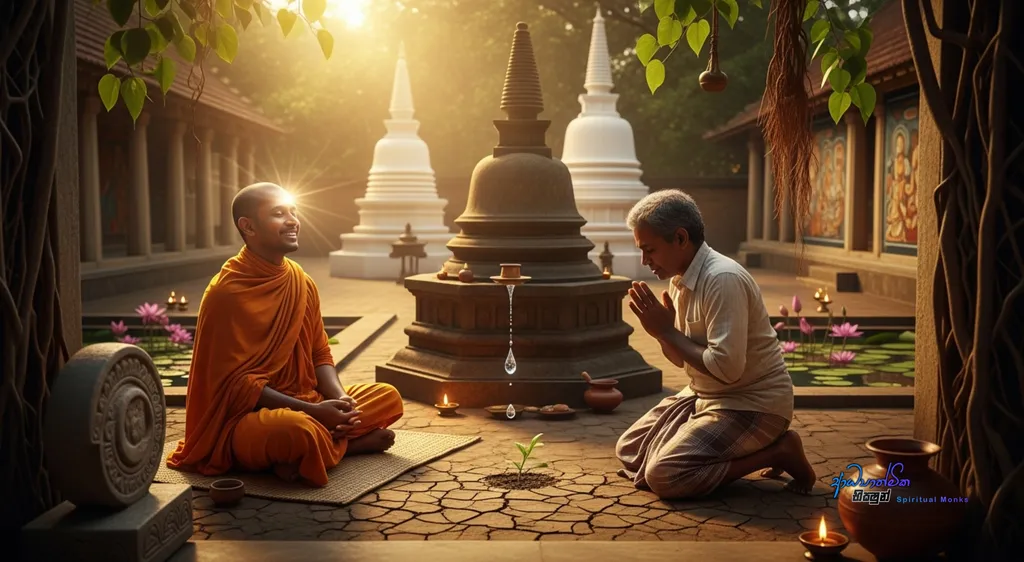
Let’s imagine this person approaches the monk, who we can picture as an accomplished meditator, someone whose mind is highly developed and whose face radiates a calm, luminous quality, a kind of prabhāshvara glow. Seeing the monk’s peaceful demeanor and the profound happiness in his eyes, the worldly person feels a sense of hope. This, they feel, might be the answer to the void in their heart.
They go to the monk and ask, ‘How can you be so happy? How do you possess such tranquility while wearing such simple clothes?’ The monk offers a few words of wisdom,perhaps a teaching from the Buddhist scriptures, or a simple truth about the nature of the mind. These words are like a drop of water falling on a parched, drought-stricken land. For the first time, the person feels a deep, incredible sense of relief. This experience of initial peace is universal; it can happen to anyone, at any time, regardless of their background.
Finding a Guide: The Path to Practice Begins
Amazed, the person reflects, ‘Wow, there is something incredible here.’ They observe the monk’s simple life,he has only a bowl and robes, yet he is so serene, always smiling, and utterly composed. Seeing this profound difference, their mind becomes clear and inspired. They return to the monk and say, ‘I see the happiness you have. I have a void in my life. Please, teach me how to find the peace you possess.’
The noble monk replies, ‘It is possible to attain this. If you do as I say and apply the teachings practically, you can achieve it.’ The person agrees, and the monk begins to guide them, starting with simple practices they can do at home. Over time, a beautiful spiritual friendship, or Kalyāṇa-mitta, develops between them. This relationship nurtures a newfound peace in the person’s heart, a satisfaction they never experienced in their worldly life.
The Great Renunciation and the Voices of Māra
After some time, the person realizes a profound truth: ‘I cannot make real progress while living this life.’ They know their friends will hold them back. When they decide to leave, these friends become like Māra,the tempter, the embodiment of obstruction. They say, ‘Are you crazy? Look at all you have! There are women, nightclubs, parties, concerts, every kind of drug and drink, and the whole world to travel.
We have luxury cars, private jets, and developed countries to explore. You have so much money you can live happily until you die! Who will take over the family business? Who will continue your legacy?’ Their parents, relatives, and even employees echo these sentiments.
They even bring up modern arguments, pointing to scandals involving false monks, trying to create disillusionment with the monastic path itself. ‘Look at what so-called monks do today! Ordination is worthless.’ But the memory of that first taste of peace, that single drop of water on their burning heart, is more powerful than all these voices. They realize these people are speaking as Mara, trying to keep them bound.
They make a firm resolution: ‘No matter what anyone says, I will not listen. This is a selfish thing I must do for myself, under a true teacher.’ And so, they kick away their wealth, possessions, and family ties, and go to their teacher to ask for the robes of a monk.
The First Freedom: A Deceptive Calm
On the very first day of ordination, their long, beautiful hair is shaved off. The moment it is gone, they feel an incredible, profound lightness, a sähälluwak. Anyone who has grown their hair long and then shaved it can understand this physical relief. For the new monk, this is the first tangible experience of letting go. Though they have not yet attained Nibbāna (liberation), it feels like they have. An unimaginable lightness fills their mind.
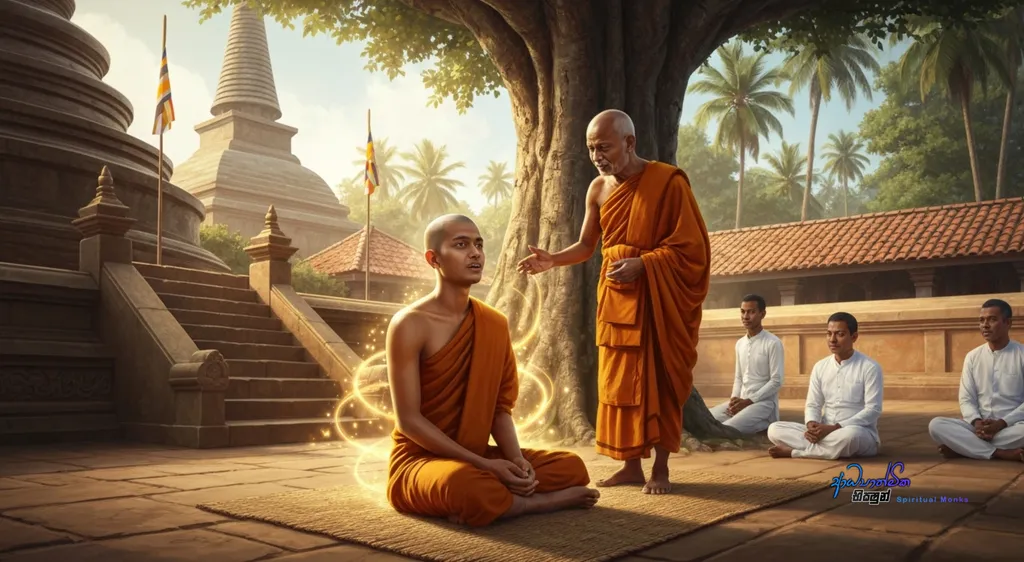
Having understood the worthlessness of their past life, they now follow their teacher. The teacher guides them in everything, especially about the nature of the mind. This is critical. In some modern contexts, monastic training can become limited to book study or rituals. It may not delve into the deeper aspects of the spiritual journey, such as developing meditative absorptions (Jhāna), working with spiritual energies like Kundalini, or cultivating psychic abilities. This is not a criticism, but an observation of a common pitfall.
The Honeymoon Ends: When the Path Itself Becomes a Burden
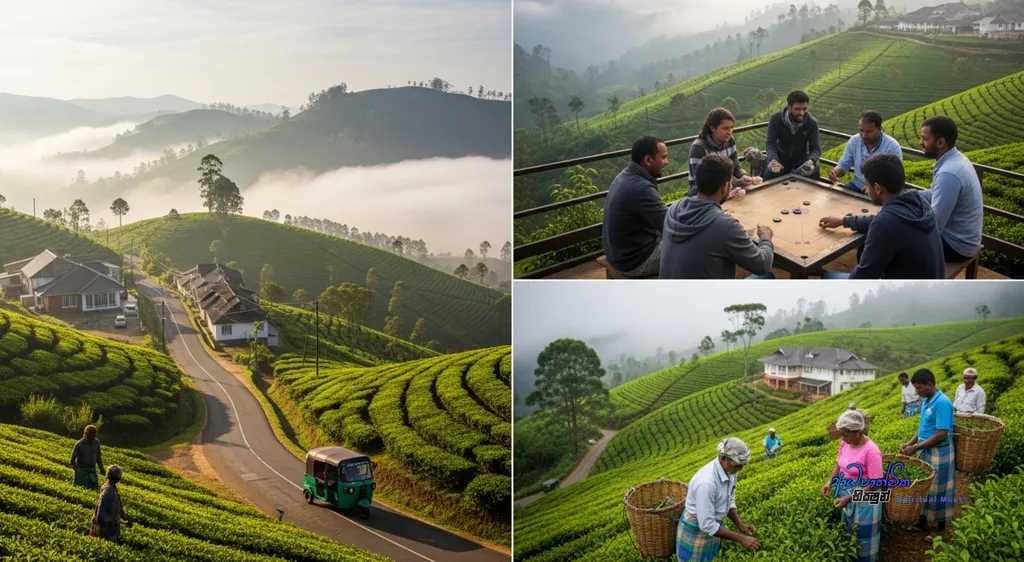
There’s an important parallel here. When you are under immense pressure,from work, family, finances, or worldly problems,and you take a trip to a beautiful, natural place like Nuwara Eliya, you feel an immense, sudden relief. It feels like you’ve attained Nibbāna. Because of that feeling, many people drink, smoke, and party to enhance that ‘fun’. But this feeling is temporary; it is dependent on the place and fades when you return to your old life. True Nibbāna is a permanent, unconditional peace.
Similarly, a newly ordained monk experiences a profound sense of peace for the first few months. However, if their training is limited to intellectual knowledge or ritual duties,like participating in alms ceremonies or community service,and they don’t find a proper teacher to guide them deeper, a new problem arises. After a while, the very monastic life that brought them peace starts to become a headache.
They begin to feel, ‘What is this? This life is also unsatisfactory.’ This disenchantment happens even with spiritual practices like chanting; done mechanically, even that becomes tasteless over time. This is not a spiritual failing; it is the nature of the mind. The mind craves novelty and tires of the same taste. It’s like a marriage: without a deeper connection, even the most beautiful partner can become tiresome, leading one to seek novelty elsewhere. This is the truth of the untrained mind.
The True Teacher’s Guidance: Navigating the Inner Storm
This is where a true, perfected teacher becomes essential,one who has gone to the end of the path and mastered all its aspects, from meditation to universal energy. When the student reaches this critical phase, where the allure of their past life resurfaces with immense force,memories of passion, sensory pleasures, parties, and relationships,the teacher is there to save them from Māra.
The teacher explains, ‘This is the nature of the mind. We must understand it and be patient.’ They provide practical meditation instructions, or Kammaṭṭhāna, which are tools to work with the mind directly. This guidance is not limited to quoting scriptures. A truly skilled teacher, with a broad understanding of the world and the mind, helps the student navigate this crisis and prevents them from disrobing.
The Forest Retreat: The Solitary Path to the Final Battle
After several years of this intensive training,let’s say five years, like completing training at a driving school,the student has learned the necessary skills. The teacher now says, ‘You have learned what you need from me. Now you must practice alone.’ This is a story you may have heard in the scriptures: a monk takes a meditation subject from the Buddha and retreats to the forest. Our monk is now ready for this step.
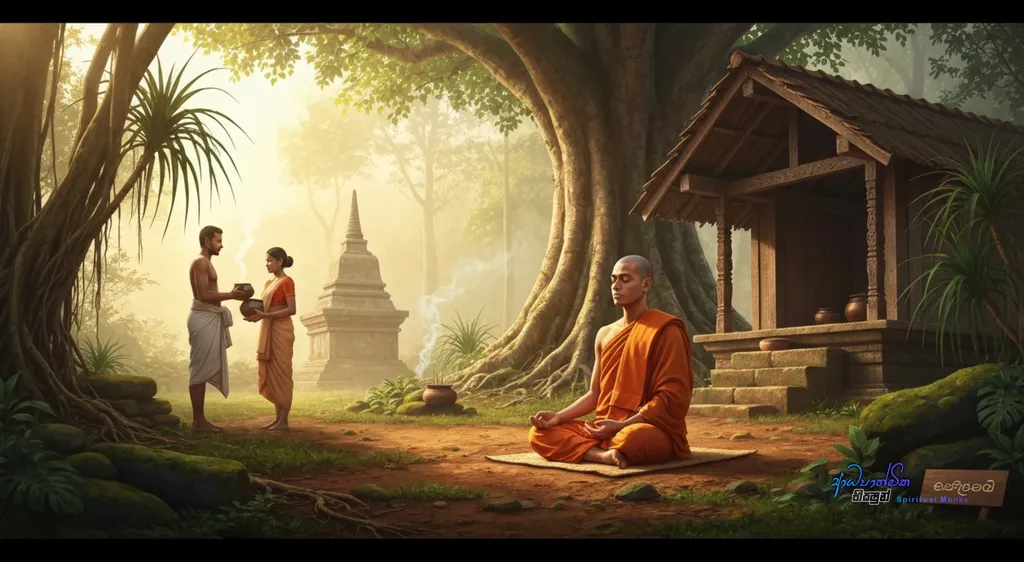
He travels to a remote, difficult area and finds a simple hut, a kuti, deep in the forest. Alone at last, he begins his solitary practice. At first, he feels an even greater peace than when he first ordained,a deep, blissful serenity. This initial peace of solitude might last for a few days, a couple of weeks, or maybe a few months.

The War Within: Confronting the Four Māras in Solitude
And then, the most difficult phase of the spiritual journey begins. The monk is still not an Arahant,not fully liberated. Alone in the forest, with no human contact, living on simple alms food, his mind begins its final assault. The four inner Māras,the tempters of defilements (Klesha Māra), death (Maccu Māra), and the psychophysical aggregates (Skandha Māra),become fully active.
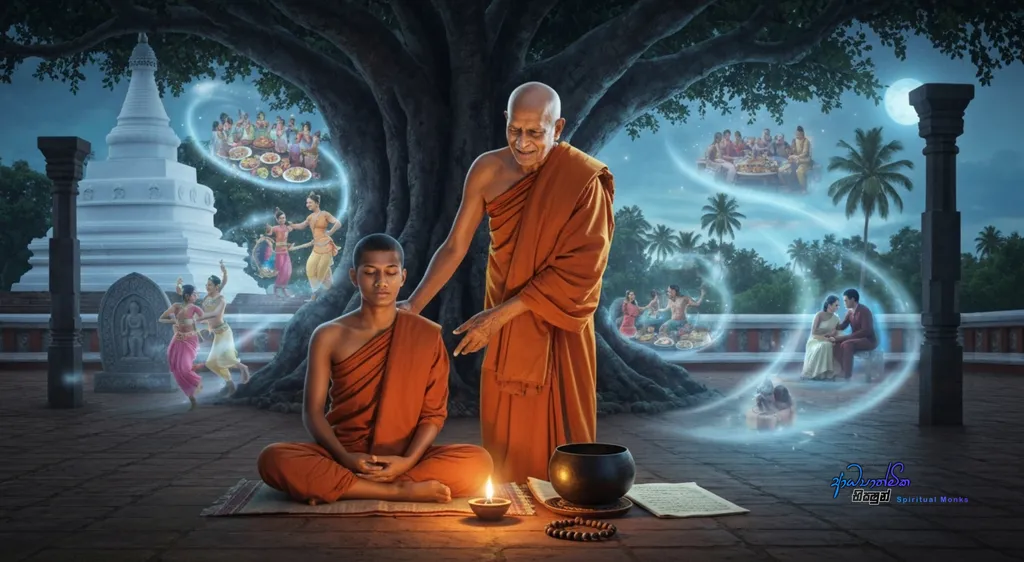
His mind unleashes a torrent of memories from his past life. Every sensory experience he ever had comes flooding back: the parties, the women he was with, the pornography he watched, vivid scenes of sexual encounters, the taste of delicious foods like Italian pizza or kottu rice, the thrill of fun trips, the faces of his mother and father. Everything arises, one after another, in a relentless war within his mind. The urge to tear off his robes, run out of the forest, and throw it all away is overwhelming.

Victory Through Mindfulness: The Attainment of Liberation
This is not an easy time. It is a titanic battle. But here, the teacher’s training becomes his weapon. He uses the Kammaṭṭhāna, the meditation techniques, to stay anchored. With full mindfulness, he sits and watches his own mind. He observes, ‘Now, my mind is bringing up my lay life from five years ago. Now, the thought to disrobe is arising. What an incredible, amazing thing this mind is!’ By watching with unshakable awareness, he does not get swept away.
Systematically, by enduring this inner war, he overcomes these mental states. His mind settles into deep concentration (Samādhi) and then into the meditative absorptions (Jhāna). Without clinging to these blissful states, he uses the profound clarity and power he has gained to see reality as it truly is. Ultimately, he attains the path and its fruit (Magga Phala) and realizes the supreme state of an Arahant,complete liberation.
This is the story behind the ancient tales of monks who, after retreating for the three-month rains retreat (vassa), would emerge as fully enlightened Arahants to see the Buddha. Such attainment has happened throughout history and can happen today and tomorrow.
As long as there is one monk practicing the Four Foundations of Mindfulness (Satipaṭṭhāna) correctly, the world will not be empty of Arahants. These subtle defilements arise in many forms, but by watching the mind, one can understand and overcome these obstacles.

The Path Is Yours Alone: A Final Blessing
This is why the Buddha taught that the spiritual journey to Nibbāna must be, in a sense, ‘selfish’ (ātmārthakāmī). It is not something that can be done for others; you must walk the path for yourself. This is a crucial point to understand.
This has been a brief overview of the thoughts that arise after ordination and on the spiritual journey. There are many more details we could discuss, but this summary is intended to give you a clear picture of the process.
Reflecting on this, you will hopefully understand the events you face in your own life, both now and in the future. You may see the challenges that arise after committing to a path, the trials of seclusion, and how to move forward. If you know of any monks living in forest hermitages, you can ask them about these things and learn their truth for yourself.
I hope these practical experiences help you develop your own spiritual journey. May the power of the Buddha, Dhamma, and Sangha, the Triple Gem, give you the strength to understand your own mind, to see the nature of your thoughts, and to realize the truth of life. By applying these teachings practically, may you advance on your own spiritual journey. With this blessing, I conclude today’s teaching.
We invite you to walk this path with us. Read our teachings, and most importantly, apply them practically in your own life. as you practice, questions will naturally arise. Please feel free to share your experiences and questions in the comments section below, via email or contact form. I will do my best to offer guidance in future talks based on your progress. For now, begin this practice with an open heart and a mind free from expectation. Cultivate it correctly, and may you find the clarity and peace you seek.
Thank you for joining us. We hope this blog will be of great benefit to your spiritual journey.
May you all be well and happy.
May the blessings of the Triple Gem be with you all!


