


Categories: Maintaining Mindfulness
May the blessings of the Triple Gem be with you all!
Today, as always, we are gathered to explore the path of spiritual development. We will delve into a specific sign that arises when you deepen your practice, whether through Samatha (calm and concentration) or Vipassanā (insight) meditation. This experience is a natural part of the journey, and understanding it correctly can bring great clarity.
In a previous article, we discussed the feeling of ‘wanting to be alone’ as a sign of spiritual progress. Similarly, we’ve explored how a developing spiritual life leads to less desire for chasing after physical things. If you haven’t read those teachings, I encourage you to do so to deepen your understanding.
Today’s topic is closely related: as we meditate, we naturally become simpler. However, not all simplicity is the same. We see some people who become simple after experiencing all that life has to offer, and others who are forced into it reluctantly. Let us explore these different paths to understand the unique quality of genuine, spiritual simplicity.
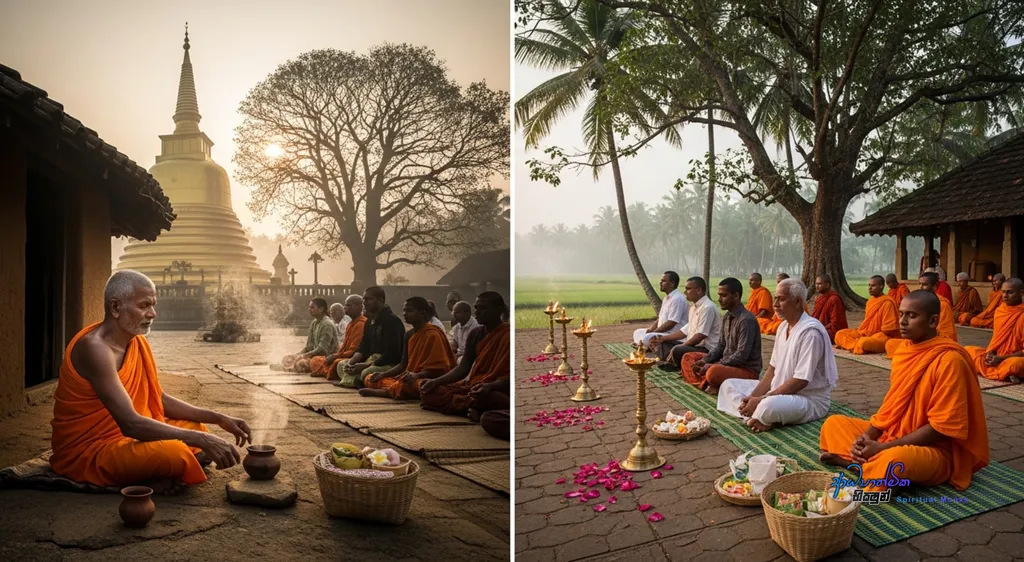
Understanding Simplicity: Is It by Choice, Experience, or Force?
To truly appreciate spiritual simplicity, we must first distinguish it from other forms of simple living we see in the world. There are broadly three types:
1. Reluctant Simplicity: This is the simplicity of those who have been forced into it. Perhaps their business failed, the economy shifted, or some family crisis occurred. They used to live a life of luxury, with fine clothes and material comforts, but now they cannot.
When people comment, “You seem so much simpler now,” it’s not a choice they made willingly. These individuals still crave worldly pleasures but lack the means to attain them. If their fortunes were to change, they would immediately return to their former lifestyle. This is not spiritual growth; it is simply a setback.
2. Simplicity from Experience: This group chooses simplicity after having tasted everything the world has to offer. Imagine someone who has eaten the most expensive foods so many times that there is no novelty left. They don’t feel the need to post photos on social media because the experience is no longer exciting.
They have enjoyed wealth, success, and luxury. As they age, they naturally mature and let go of the frantic chase. They may wear simple clothes despite having great wealth, not out of stinginess, but because they have found a different kind of contentment. This is a form of wisdom gained through age and experience, but it is not necessarily born from spiritual practice.
3. Simplicity from Spiritual Practice: This is the heart of our discussion today. This form of spiritual simplicity arises directly from the cultivation of the mind through meditation. It is an inner transformation that leads to an outer life of profound peace and contentment. Let’s explore this path more deeply.
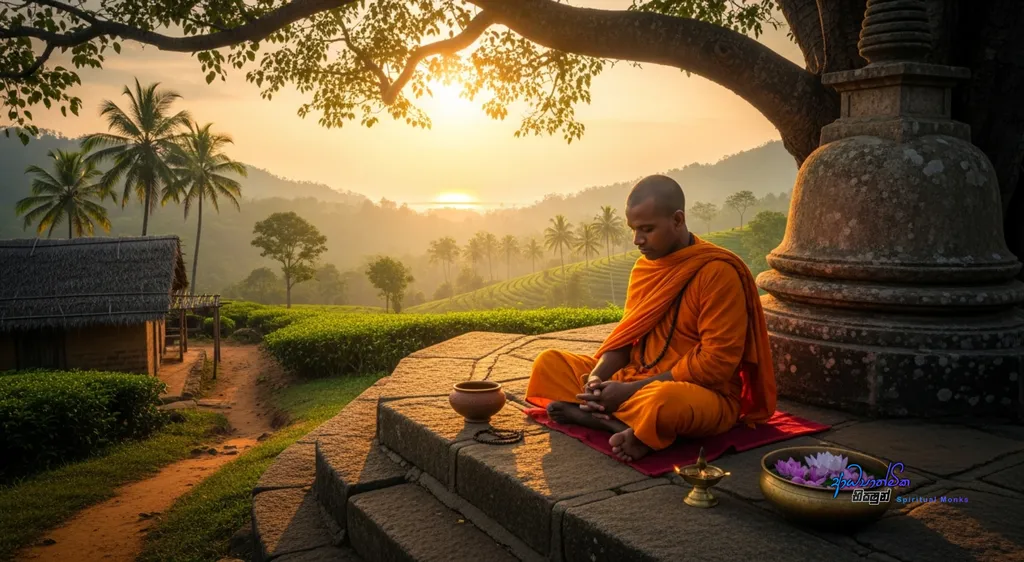
How Meditation Cultivates a Simple Heart
When you begin to practice meditation consistently, whether it’s calming the mind with Samatha or developing insight with Vipassanā (the Four Foundations of Mindfulness), a beautiful change begins to unfold. This happens regardless of your background; you can be rich, poor, or middle-class. It’s a universal process.
You start to notice that your life is becoming different from the one you used to live. The constant urge to chase after worldly things subsides. You no longer feel compelled to buy the newest car or the latest gadget that comes to market. Your desire shifts from wanting everything to acquiring only what is necessary. This change happens gradually, not all at once, as your practice deepens.
This spiritual simplicity touches every part of your life:
- Possessions: You lose the urge to constantly buy new clothes and accessories. You become content with having fewer things.
- Food: The intense craving for different types of food diminishes. You eat for the sustenance of the body, and the habit of spending lavishly on meals fades away.
- Valuables: The desire to wear gold, silver, and precious gems lessens. You aren’t renouncing them in a forced way; the interest simply falls away.
This isn’t about becoming miserly. It’s about a natural reduction of craving. In fact, as we will see, generosity often increases as the grip of materialism loosens.

Watching Desire Fade: The Power of Insight Meditation
How does this happen? The practice of insight meditation, or Vipassanā, involves developing mindfulness. As you cultivate mindfulness, you begin to recognize the mental defilements, known in Pali as kilesa, within your own mind. You see greed, aversion, and delusion as they arise.
Let’s take an example. Suppose you have a strong desire for a new BMW. If you are practicing mindfulness, you don’t just get lost in the fantasy. You observe the thought of ‘wanting the BMW’ as just a thought. As you continue to watch this desire, this craving, called taṇhā in Pali, you see its impermanent nature.
The more you observe it without acting on it, the weaker its grip becomes. Eventually, your mind reaches a state where it thinks, “Whether I have the car or not, it’s the same.” The desperate need for it vanishes. You might still buy a car if you need it for transportation, but you won’t be driven by obsessive desire.
This applies to those who already have wealth as well. A rich person practicing meditation might own a BMW but find their attachment to it diminishing. They will still maintain it properly, but the obsessive clinging is gone. The desire to buy the next new model simply doesn’t arise.
This principle of non-attachment extends to all aspects of life, including relationships. This doesn’t mean you abandon your family or responsibilities. In the time of the Buddha, the city of Sāvatthī was home to millions of lay followers who were spiritually advanced, some were Sotāpanna (stream-enterers) or higher, yet they continued to run businesses, raise families, and fulfill their duties. They lived in the world but were not bound by it. The practice of meditation allows you to fulfill your responsibilities with a free and unburdened heart.

Embracing Alpecchata: The Joy of Contentment
This state of spiritual simplicity is beautifully described by the Pali word alpecchata, which means ‘contentment’ or ‘having few wishes.’ As you cultivate this quality, you may face misunderstandings from those around you. Your friends, spouse, or children might accuse you of being stingy or withdrawn because you no longer enjoy worldly pleasures as you once did. They don’t understand that your mind is changing from within.
It is important to look into your own mind and see the truth. Is it stinginess, or is it a mind that is becoming simple through meditation? If you can explain it to them, do so. If they cannot understand, let it be. This is very different from true miserliness.
In the Buddhist scriptures, there are stories of extremely wealthy people, like Aputtaka the millionaire, who lived in poverty out of sheer stinginess, refusing to give to others or even use their own wealth. That is a state of suffering. Alpecchata, on the other hand, is a state of profound peace.
This spiritual simplicity doesn’t mean becoming unkempt or living like a beggar. It’s an inner state that reflects itself as an outer life of grace and elegance, free from clutter. A person with this quality might still wear branded clothes if they can afford them, but the mental attachment is gone. This is a subtle point that can only be truly understood by someone who is also developing their spiritual life.
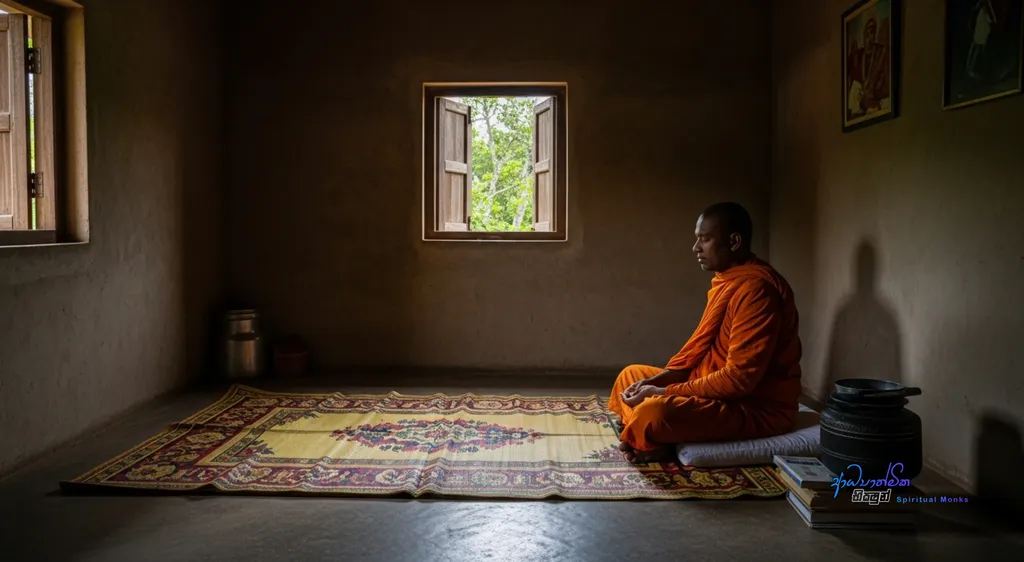
From Concrete Jungles to Inner Peace
As spiritual simplicity deepens, another sign often emerges: a growing connection to nature. You may find yourself feeling uncomfortable in ‘concrete jungles’ and drawn to places with fresh air, natural water, and quiet forests. This aligns with the desire for solitude we discussed previously. You begin to seek environments that support your practice.
However, this doesn’t mean you are bound to the forest. A highly developed mind can find peace anywhere. The Buddha himself often resided in beautiful monasteries built for him near bustling cities like Sāvatthī. The spiritually mature person has the flexibility to live a simple life in nature or enjoy modern comforts without being attached to either. They can handle loss with equanimity.
In contrast, someone deeply attached to a luxurious lifestyle would suffer immensely if it were suddenly taken away by a natural disaster or economic collapse. The developed mind possesses a resilience that comes from non-attachment. This is the true freedom of spiritual simplicity.

The Dangers of False Simplicity and Spiritual Envy
It is crucial to distinguish true spiritual simplicity from its counterfeits, which are often rooted in negativity.
Sometimes, people who have not succeeded in life express envy towards those who have. They might say, “Oh, why do you need so much money? What’s the point of all that?” This is not wisdom; it is jealousy masquerading as detachment. A truly spiritual person, one who is developing alpecchata, feels joy at the success of others and blesses them, wishing them well on their journey.
Worse still, some people misuse profound Buddhist teachings to justify their envy. They might tell a successful person, “Everything is impermanent (anicca), so why are you chasing these things?” They weaponize the Buddha’s words to tear others down.
This is a great misunderstanding. A wise person understands that while all things are impermanent, one must walk their own path to that realization. The correct approach is to encourage others, saying, “May you prosper and be successful! And may you one day also realize the true nature of these things.”
We also see radical secularists who mock the ideal of alpecchata because they cannot comprehend it. Unable to find inner peace, they chase sensual pleasures, sometimes turning to intoxicants for a temporary feeling of bliss. That path only leads to more suffering. The peace that comes from spiritual simplicity is pure, lasting, and wholesome.

Beyond Religion vs. Philosophy: The Complete Path
In modern times, there is a trend, especially among the younger generation, to say, “Buddhism is not a religion, it’s a philosophy.” They use this idea to dismiss traditional practices like making offerings (āmisa pūjā), chanting, or showing respect to the Sangha. They claim the Buddha never taught these things, and then they often live a life of sensual indulgence, far from any real practice. This is a deep misunderstanding.
On the other hand, some traditional Buddhists get stuck only in the rituals. They offer flowers, light lamps, and perform meritorious deeds but never move on to the practice of meditation (patipatti pūjā).
The complete path embraces both. Āmisa pūjā, the path of devotion and offerings, is the foundation. It cultivates faith and merit, and it is essential for the survival of the Buddha’s teaching, as it supports the monastic community. However, the Buddha clearly stated that patipatti pūjā, the practice of the path itself through meditation and ethical conduct, is the highest offering.
We should not abandon one for the other. We should engage in devotional practices with a sincere heart, and give even greater importance and time to the cultivation of our minds through meditation. This is the balanced, living tradition that has been passed down for centuries.
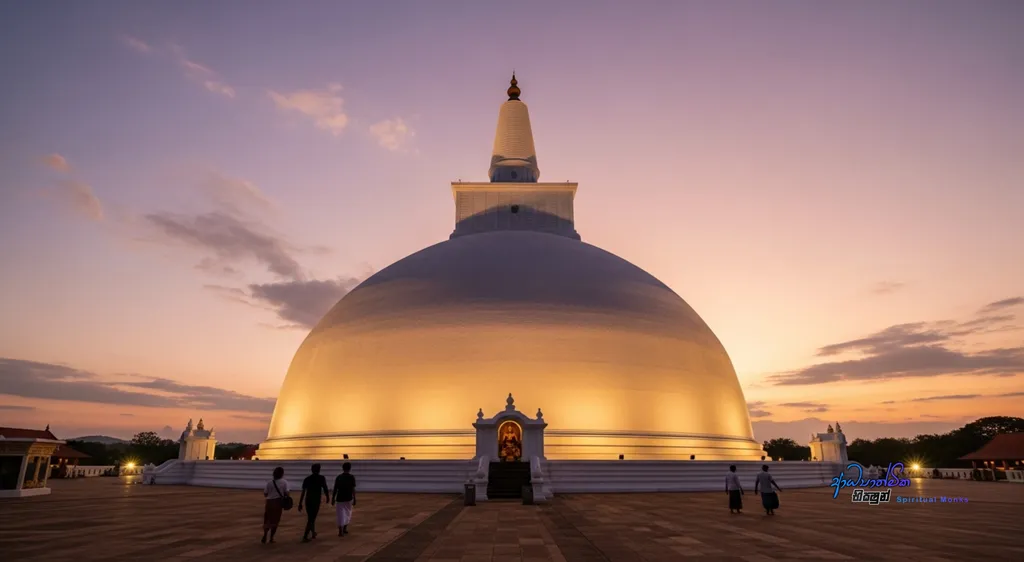
The Unbuyable Peace of a Simple Mind
The spiritual simplicity that arises from meditation brings a profound sense of peace and relief, a sanasīma, that is truly priceless. It is a state of freedom that cannot be purchased with money. When you begin to experience this, please do not fear that something is wrong with you. It is not a mental illness; it is a sign of profound spiritual health.
The process unfolds naturally. First, the mind becomes simple. As the mind stabilizes in this simplicity, your outer life begins to reflect it. Your attachment to material things, worldly status, and even intense emotional dependencies begins to lessen. As mentioned before, you will still fulfill your responsibilities to your loved ones, but you will do so with a light, unburdened heart. You will discover how much more peaceful it is to perform your duties without the heavy weight of mental clinging.
This is a journey you must experience for yourself. The peace I describe in words is only a shadow of the real thing. I encourage you to commit to your practice. The bliss of a mind that has become simple is the greatest happiness one can know.

Your Path to Inner Simplicity
Today we have explored how meditation naturally leads to spiritual simplicity. This is not a forced austerity or a symptom of world-weariness. It is a beautiful and liberating sign of inner transformation, a state praised by the Buddha himself. The mind becomes simple first, and then our life follows, becoming uncluttered, peaceful, and free.
By understanding these signs, you can walk your spiritual path with confidence, knowing that these changes are marks of progress. May these teachings help you to understand these matters clearly and inspire you to continue your practice with diligence. As you cultivate your mind, may you too experience the profound and unshakable peace of a simple heart.
We invite you to walk this path with us. Read our teachings, and most importantly, apply them practically in your own life. as you practice, questions will naturally arise. Please feel free to share your experiences and questions in the comments below, via email or contact form. I will do my best to offer guidance in future talks based on your progress. For now, begin this practice with an open heart and a mind free from expectation. Cultivate it correctly, and may you find the clarity and peace you seek.
Thank you for joining us. We hope this blog will be of great benefit to your spiritual journey.
May you all be well and happy.
May the blessings of the Triple Gem be with you all!.


