Categories: Other Meditation Teachings
May the blessings of the Triple Gem be with you all!
Welcome to this reflective guide on spiritual cultivation. If you are exploring these profound Dhamma teachings for the first time, it is highly beneficial to read our foundation articles sequentially. Following a step-by-step approach helps you understand how practical meditation unfolds and how to navigate deep spiritual experiences.
You can explore our written archives in both Sinhala and English across our dedicated websites, or download the devotional reflection book, known as the Sambuddha Vandana, to support your daily practice. Today, we delve into an essential teaching on spiritual messengers in Buddhism, exploring why these unique individuals often struggle to find lasting happiness and freedom in the material world.
The Samsaric Purpose and Perfections of Spiritual Messengers
In Theravada Buddhist teachings, spiritual messengers in Buddhism are individuals born into the human realm with a distinct samsaric intention. They come to fulfill their spiritual perfections, known as Paramitas. These noble qualities are virtues cultivated across many lifetimes to attain liberation, whether as a fully self-awakened Buddha, a silent Buddha, or an enlightened noble disciple.
Many of these individuals choose to serve the dispensation of Gautama Buddha, known as the Buddha Sasana. They work dedicatedly as lay followers or monastic practitioners to preserve the Dhamma for future generations while completing their personal spiritual training.
Recalling Your Higher Calling Without Fear or Confusion
When we take birth in a new human body, our past life memories become hidden. This natural suppression protects our sanity. If all samsaric records surfaced at once without spiritual maturity, a person could experience extreme mental distress or madness, known as an Unmuttaka state.
Through structured meditation and deep reflective inquiry, known as three-fold spiritual knowledge or Trividha Vidya, one can discern their life purpose. Even without direct past-life recall, many people feel a subtle intuitive pull, realizing they cannot follow the superficial path of the mainstream world.
The Trap of Kama-Loka and the Three Marks of Existence
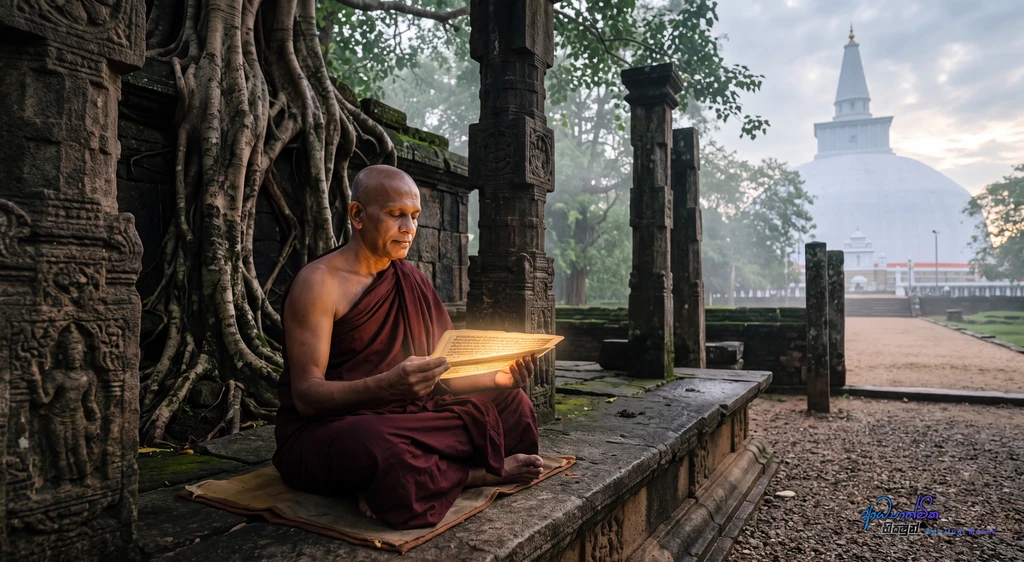
Among the world's billions, spiritual messengers in Buddhism are those who intuitively seek a higher destination. They may be born in Sri Lanka or across foreign lands, yet their past wholesome merit, known as Kusala, leads them back to Theravada teachings.
However, when a spiritual messenger attempts to seek lasting happiness in the realm of sense desires, called Kama-loka, they experience continuous disappointment. The world offers temporary pleasure, but it is swiftly followed by drawbacks, known as Adinava.
Unlike ordinary beings blinded by ignorance, called Moha, spiritual messengers possess an inner awareness of the Three Marks of Existence. These are impermanence, called Anicca, unsatisfactoriness or stress, called Dukkha, and non-self or lack of permanent core, called Anatta. Trying to find true peace in sensory distraction is like willingly grasping a glowing hot iron ball.
Why Life Disrupts Your Material Pursuits
Spiritual messengers often descend from higher heavenly realms, such as angelic domains or Deva planes, highly refined spiritual worlds, or other fortunate states of existence. Having already experienced vast sensory abundance in past realms, repeating these sensory chases in human form leaves them deeply unfulfilled.
When spiritual messengers in Buddhism stray into worldly obsession, life brings unexpected disruptions through career setbacks, educational hurdles, broken relationships, or unfair treatment. These are not punishments from a divine entity, but natural karma and self-planned spiritual wake-up calls designed to realign them with their noble resolution.
Samsaric Lessons and the Crucible of Spiritual Alignment
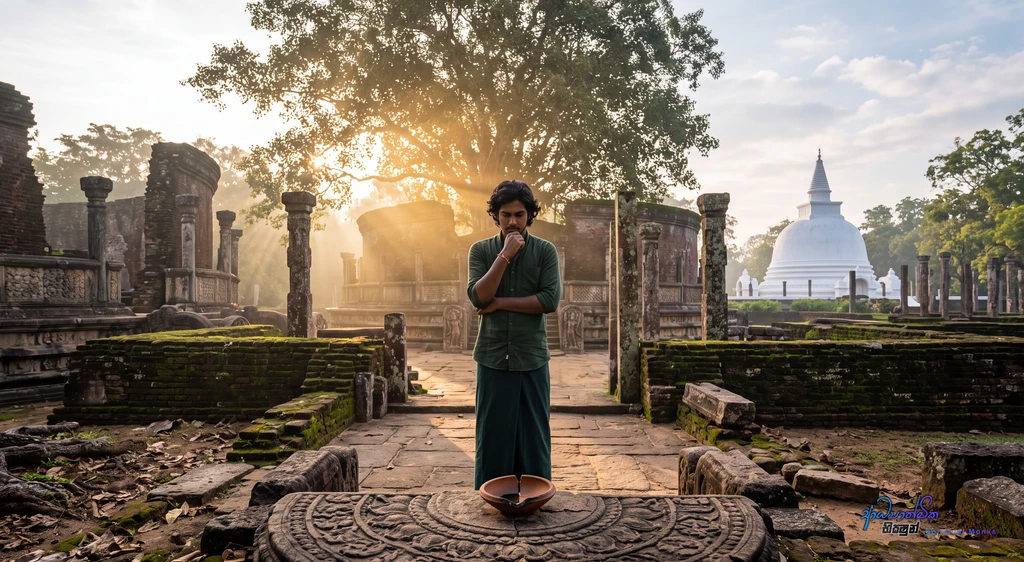
The power of samsaric momentum is illustrated in the story of our Great Bodhisatta during the era of Kassapa Buddha. At that time, born as Jotipala, he held skeptical views. His devoted friend Ghatikara the potter urged him to listen to the Buddha. When Jotipala resisted, Ghatikara went so far as to drag him by the hair near a river.
This intense encounter triggered a sudden fear of death, called Marana-bhaya, shaking Jotipala out of his slumber and prompting him to hear the Dhamma. Furthermore, the hasty words Jotipala spoke in that lifetime resulted in the karma of practicing six long years of harsh austerities, known as Dukkarakriya, before achieving Buddhahood as Prince Siddhartha.
In the same manner, nature uses intense life challenges to direct spiritual messengers in Buddhism back toward their authentic spiritual pathway.
The Transformation from Material Attachment to Higher Realization
When you align with your true spiritual path, material attachments lose their charm. Worldly possessions, luxury, physical attractions, and sensory indulgences no longer satisfy you. Instead, deep mental freedom and genuine inner joy arise naturally.
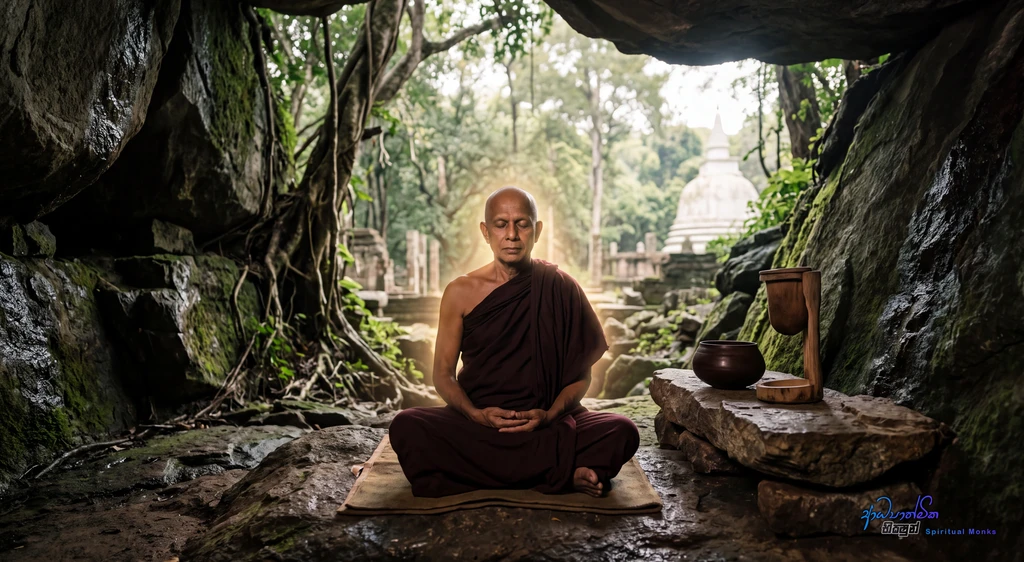
Spiritual messengers fulfill their perfections by practicing tranquility meditation, known as Samatha, cultivating meditative absorptions, called Jhana, developing higher spiritual insights, known as Abhinna, and penetrating reality through insight meditation, called Vipassana.
True spiritual leaders lead by personal example rather than mere words, demonstrating high moral character and meditative mastery before guiding others.
Noble Examples of Service and Your Path Forward
True service to the Buddha Sasana is done with a mind free from anger, hatred, or aggression. King Dutugemunu fought righteously when necessary, permitted opponents to retreat, and honored King Elara with a respectful memorial. In modern times, Anagarika Dharmapala maintained strict moral virtue and celibacy, called Brahmacariya, while restoring sacred sites like Buddhagaya. Similarly, Ven. Balangoda Ananda Maitreya Thero upheld pristine monastic virtue, called Sila, enabling the monumental translation of the Tipitaka into Sinhala.
When practitioners anchor themselves in moral virtue, concentration, called Samadhi, and wisdom, called Panna, benevolent right-view unseen forces, known as Samma Ditthi Devas, offer protection and support.
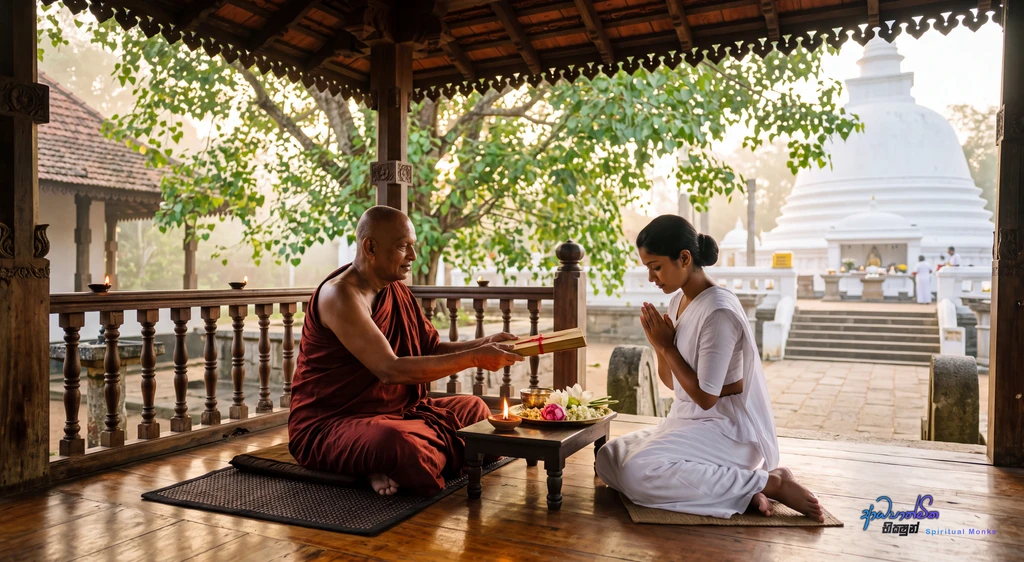
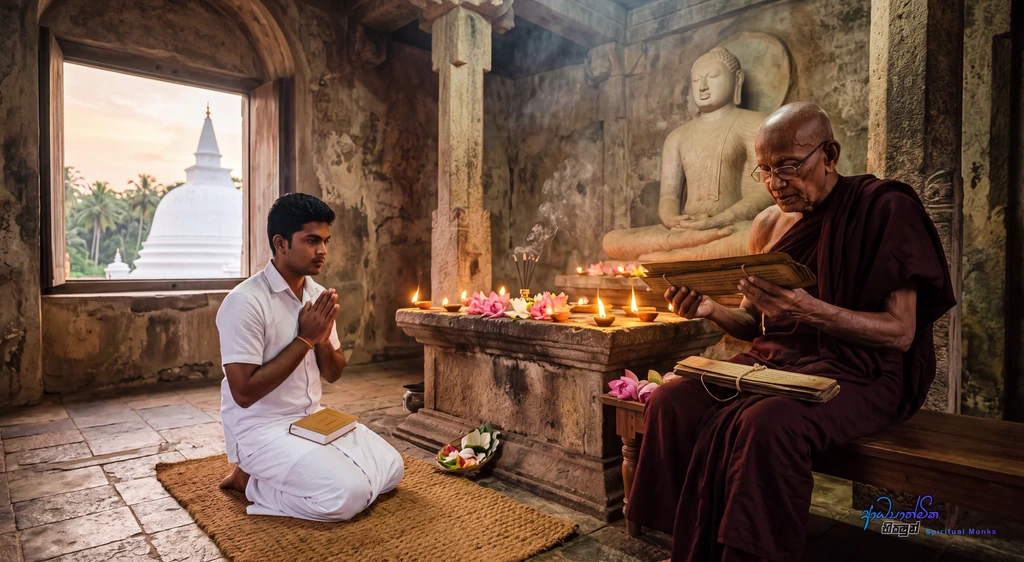
To begin this journey, transition gradually from simple devotional offerings, known as Amisa Puja, to practical lifestyle practice, known as Patipatti Puja. Begin by reciting daily reflections from the Sambuddha Vandana devotional book each morning and evening. By embracing this practice, spiritual messengers in Buddhism will cultivate lasting peace, fulfill their paramitas, and serve humanity with genuine wisdom.
We invite you to walk this path with us. Read our teachings, and most importantly, apply them practically in your own life. as you practice, questions will naturally arise. Please feel free to share your experiences and questions in the comments below, via email or contact form. I will do my best to offer guidance in future talks based on your progress. For now, begin this practice with an open heart and a mind free from expectation. Cultivate it correctly, and may you find the clarity and peace you seek.
Thank you for joining us. We hope this blog will be of great benefit to your spiritual journey.
May you all be well and happy.
May the blessings of the Triple Gem be with you all!