


Categories: Eradicate the Fear of Meditation
May the blessings of the Triple Gem be with you all!
For those of you who are practically engaged in the spiritual life, I have spoken before about the experience of getting stuck in one place in your meditation. This time, I wish to discuss the same topic, but from a different perspective. It’s essential that you think about this in a new way and, more importantly, apply it practically.
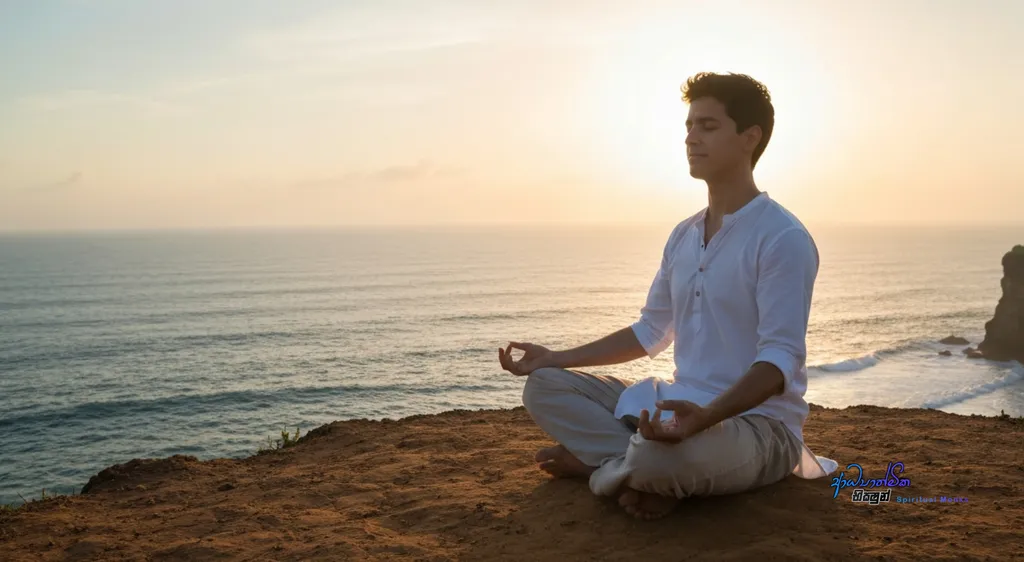
When you begin to explore a spiritual life and commit to a practical meditation whether it is a practice of tranquility, known as Samatha, or one of insight, called Vipassanā you might start today, perhaps guided by these teachings, another teacher, or even on your own. Imagine a person who begins our practical ‘Third Eye’ meditation. They might practice for a while, focusing on the point between the eyebrows or the center of the forehead. Yet, they find themselves stuck in this single step for three or four months straight. This is a meditation plateau.
The Hidden Value in Feeling Stuck
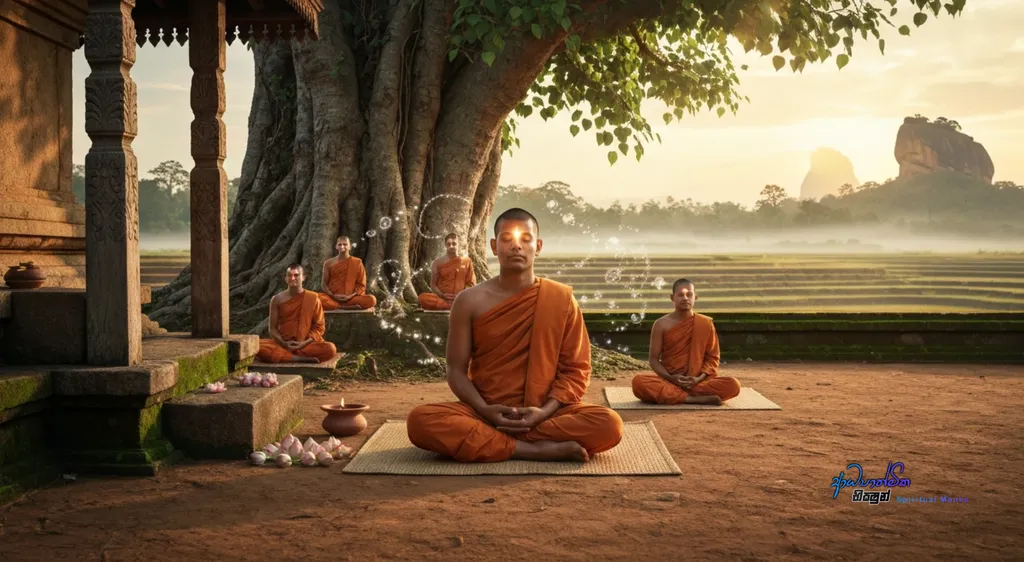
In contrast, another person might start meditating and, within two weeks, their mind becomes strong enough to generate signs of light, known in Pali as āloka saññā. Their mind achieves a state of unification and concentration, or samādhi. Meanwhile, the person who started today remains in the same spot for months. This experience of spiritual stagnation, this meditation plateau, is something many people perceive negatively. They see it as boring, tedious, or disillusioning. It becomes a source of discouragement.
Please, do not let your mind turn it into something negative. There is a reason for this. This period of being in one place builds incredible mental strength. It is a place where our patience, or khanti, is cultivated to an extraordinary degree. This is what you need to understand.
Learning the Nature of Your Mind with Compassion
Think about it: if you stay in one place on your spiritual journey for three or four months, what have you learned? Within that continuous period, the only physical sensation might be a persistent pressure between your eyebrows. Mentally, you may have noticed a decrease in your thoughts, or perhaps they fluctuate, increasing and decreasing. Just look at how much you have learned about the mind during this time!
When trying to concentrate your mind, reflect on how much you have learned about yourself by simply staying in one place for these months. Remind yourself, remember, and realize this. This is the special gift. You have observed all the thoughts that come to your mind and the challenges you face when trying to unify it. The mind is not the same every day. On some days, it concentrates well. On other days, it doesn’t. Think back practically on how many things you have learned during these three or four months. This is what is important here.
From Plateau to Profound Self-Awareness
Through this, you begin to understand what we have taught before: this is the nature of the mind. This is just how the mind is. You start to look at your mind with compassion. It’s like a small toddler. Whether the toddler is crawling or getting into mischief, would you hit that infant? Think about it. You would never strike the child. Why? Because there is no point. That is its nature. It is just a child, and that is how it behaves.
You come to this same understanding about your own mind. When this happens, look at how much the quality of patience has been cultivated in you, a person who has stayed in such a state for three or four months. Consider how much endurance has grown within you, how self-restrained you have become, and how deeply you have understood your own mind. These are the things you gain during this period. When you see it this way, isn’t it a valuable thing to be on a meditation plateau?
Investigating the Causes of Your Meditation Plateau
Of course, there are those for whom this does not happen exactly this way, and others who experience it to a lesser or greater extent. Some people abandon their meditation because they don’t receive the next result. That is also a natural response. But for such people, have these qualities of patience and understanding been cultivated? They have the right to decide that for themselves.
Wherever you get stuck in your meditation for months on end even if you reach the stage of light signs but cannot progress to seeing mental images or visions for three, four, six months, or even years what matters is what you understand during that time.
If you are only at the level of light signs, and the light appears for a while and then disappears, or if sensual thoughts, known as kāma vitakka, arise frequently, you have an opportunity. You can look closely and ask: ‘During what times do these sensual thoughts increase? What is the cause? What is my shortcoming that allows these thoughts to come so often?’
With the mindfulness that the Buddha taught, used with wisdom, you can practically understand your own shortcomings. While engaged in your calming meditation (Samatha), maintain your mindfulness (sati) and try to understand these faults. Think again about how much you are growing through this process.
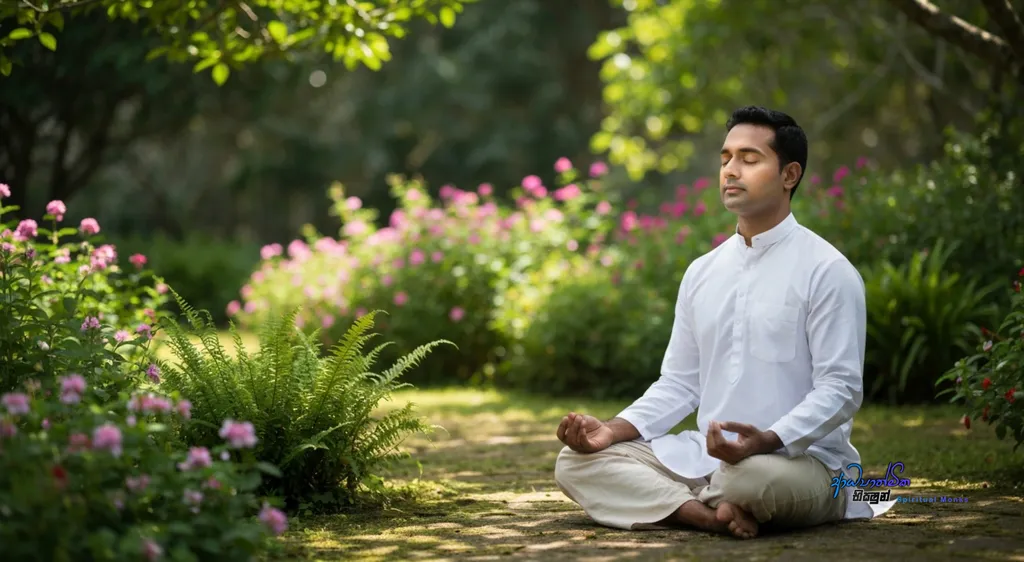
Identifying the Hindrances: Past Habits and Present Distractions
Several factors can contribute to being on a meditation plateau. One reason is if we have not cultivated the skill of meditation in our past lives, throughout the cycle of rebirth known as saṃsāra. Lacking this past practice, or kamma, can mean we have to struggle a bit more in this life. That is one cause.
Another is that even if we have past practice, we are now living in a sensual world, a time of heightened defilements kilesas such as lust, hatred, envy, and aversion. Through electronic media, things have become so instantaneous, and we may have become deeply conditioned by these defilements. They obstruct us, causing us to remain in one place.
You can come to understand these hindrances over time by maintaining mindfulness while on this plateau. You might also realize, ‘Am I stuck here because I am not observing a certain virtue or precept (sīla)?’
For example, if you are entangled in some form of lust perhaps addicted to certain phone calls or watching stimulating filmswhen you sit to meditate, a thought might instantly arise: ‘Call her now. Call him now. Pick up the phone and watch that. Turn on the computer and watch that.’ If this thought disturbs you during your meditation over these few months, you can understand, ‘Ah, so this is my obstacle.’ You can then decide what to do.
‘I must cultivate a mind that does not watch these things, so that during my hour of meditation, such thoughts do not come and torment me again and again.’ To achieve this, you use mindfulness with clear comprehension sati-sampajañña. Mindfulness helps you catch the thought; wisdom is understanding it. Using this, you can comprehend and overcome the obstacle.
The Lifelong Commitment: Beyond Instant Gratification
When you see this, you will realize why I titled this teaching as I did that being on a meditation plateau is actually a good thing. And cultivate this quality within you: never become discouraged with your meditation. No matter how long you stay in one place, do not get disheartened and give up. In that state, the universe, nature, and your own mind are testing you.
Even for us, in our practical application, there are times when we have to stay in one place for years. But that’s not what’s important. The important thing is that we meditated during that time, didn’t we? We practiced correctly, didn’t we? We had mindfulness and clear comprehension, didn’t we?
As I have taught before, you should make a determination to meditate until the day you die. If you do, you will receive these results, even if it’s just a moment before death. Please remember this. Many young people lack patience. They contact me and instantly ask, ‘Venerable Sir, why haven’t the light signs appeared? Why don’t I feel the pressure between my eyebrows?’ They send a quick voice message or text.
From this, you can infer the level of patience and understanding of the person sending the message. Isn’t their mindset like modern technology, where everything should appear with a touch, upload instantly, or back up immediately? Don’t let yourself fall into that state. Understand this path.
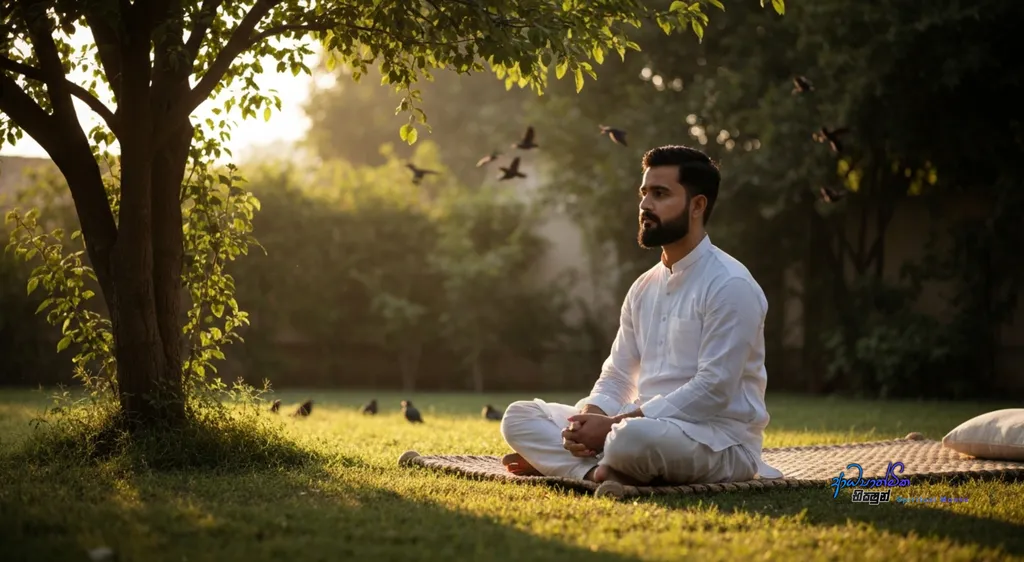
The True Fruit of Practice: Inner Peace and Patience
Meditate every day. We have instructed you to practice Samatha meditation in the early morning. If you cannot set a specific time, then find one consistent time during the day to meditate. As you do this, no matter how long you remain in one place, you will develop a sense of contentment with where you are. Even if you receive not a mustard seed’s worth of results, not even a decimal point of progress, be happy with the level you are at and meditate every day.
And understand that level. What are my shortcomings here? What qualities have I developed while being here? What have I received? Many people in this situation tell me, ‘I used to get extremely angry, and I couldn’t control it.’ After being stuck on a meditation plateau, practicing for two or three hours a day for months or even years, the quality of patience develops within them. Because of that patience, if a reason for anger arises in their worldly life due to a spouse or a family matter that quality stops them from speaking harsh, hateful words. Remember that. Look at the results developing within you!
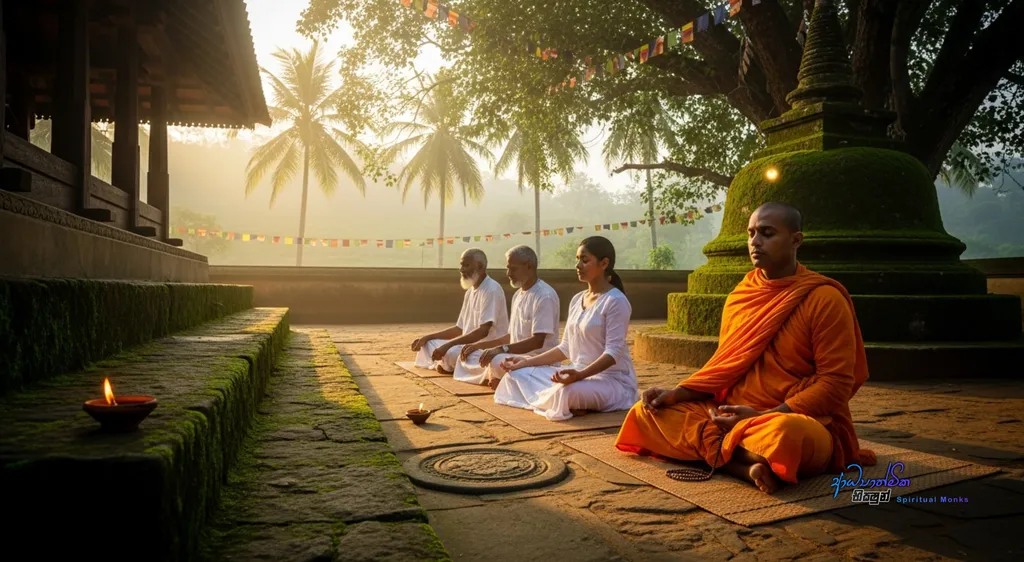
Meditate for Life, Not for Results
Even if you don’t experience light signs, attain meditative absorptions (jhāna), awaken your Kundalini energy, or activate all your chakras; even if you do not attain a stage of enlightenment (magga-phala); even if you get none of the things I mentioned earlier like light signs or pressure between the eyebrows think about the state you have reached.
This is why it is essential to meditate. For someone starting today, begin your meditation without any expectations not to open the third eye, attain enlightenment, awaken Kundalini, or activate chakras. As I have said before, start meditating without expecting any of these things.
Start like this and continue your practice. Do not set a time limit, thinking, ‘I will do this for so many months or years.’ Without such thoughts, continue your meditation unbroken every day. Whether you get results or not not even a fraction do not abandon the practice. Continue it for the long term.
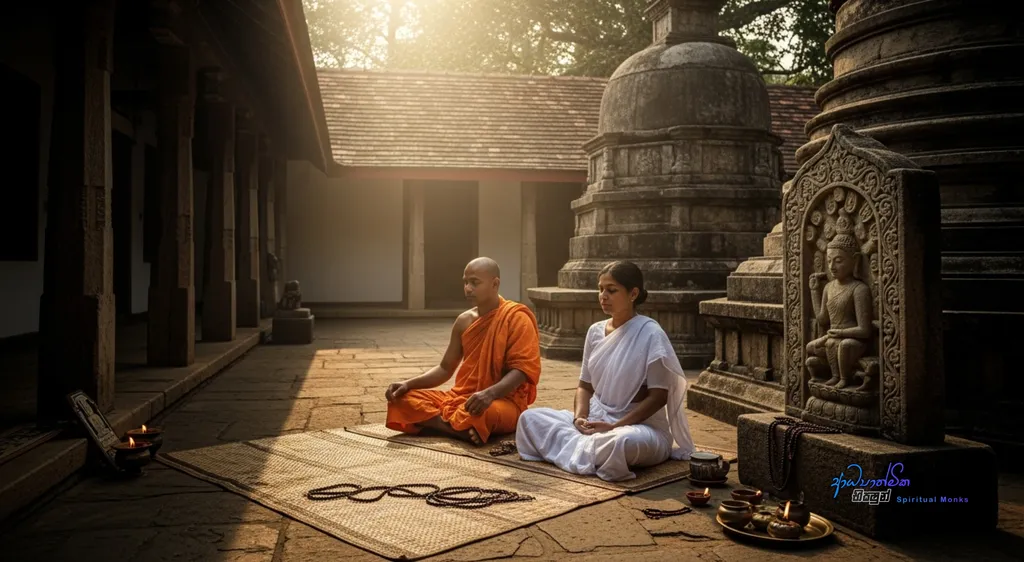
The Joy of the Journey: Contentment on the Path
As you continue on and on, you are cultivating a Samatha practice on one side be it the ‘Third Eye’ method, the ‘Path to the Brahma Worlds’ method, or any other tranquility meditation. On the other side, you are cultivating the Vipassanā aspect of wisdom with mindfulness (sati-sampajañña). As you proceed like this, the qualities I mentioned earlier will begin to grow and mature within you, often without you even realizing it. This is the most important thing. This is what must happen.
Make a determination to do this for your entire life. As you do this, you will be able to understand yourself. You will see your spiritual strength, your mental strength, your capacity for patience. And here is the next important point: are you happy in the mental state you are in? This means, after meditating, whether you get results or not, you will certainly attain a sense of peace. Practice being happy with the place you are in.
In the spiritual life, being content with your current step, regardless of the results, is a vital matter. See if you have this contentment within you. Until these qualities arise, if you were to advance quickly in your spiritual life, it might be without a firm foundation. These qualities are necessary; they are the ways in which nature, the universe, and our own mind test us.
I believe this teaching is sufficient for you to understand. I will conclude today’s sermon here. By the power of the Triple Gem the Buddha, the Dhamma, and the Sangha may you gain the wisdom to understand these matters more deeply and act upon them practically.
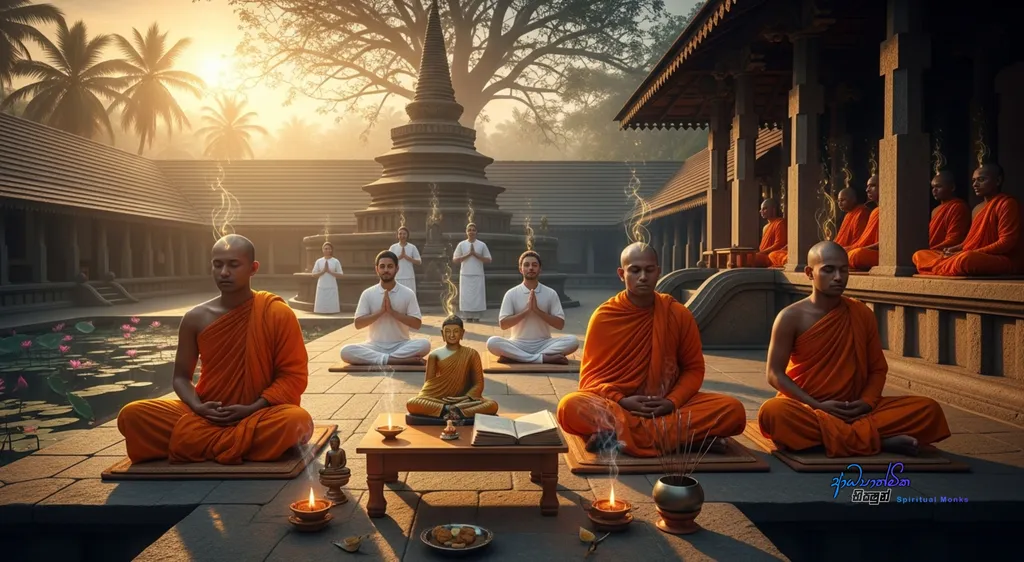
We invite you to walk this path with us. Read our teachings, and most importantly, apply them practically in your own life. as you practice, questions will naturally arise. Please feel free to share your experiences and questions in the comments section below, via email or contact form. I will do my best to offer guidance in future talks based on your progress. For now, begin this practice with an open heart and a mind free from expectation. Cultivate it correctly, and may you find the clarity and peace you seek.
Thank you for joining us. We hope this blog will be of great benefit to your spiritual journey.
May you all be well and happy.
May the blessings of the Triple Gem be with you all!


