


Categories: Other Meditation Teachings
May the blessings of the Triple Gem be with you all!
Through our spiritual teachings, I have noticed that many of you who are sincerely engaged in a spiritual life have questions about Brahmacharya. I feel it is important to understand the nature of this challenge and offer a clear response, as this is something that will greatly support you on your spiritual journey. A common question that arises is: ‘Do I need to be celibate to meditate?’ Let’s gain a full understanding of this.
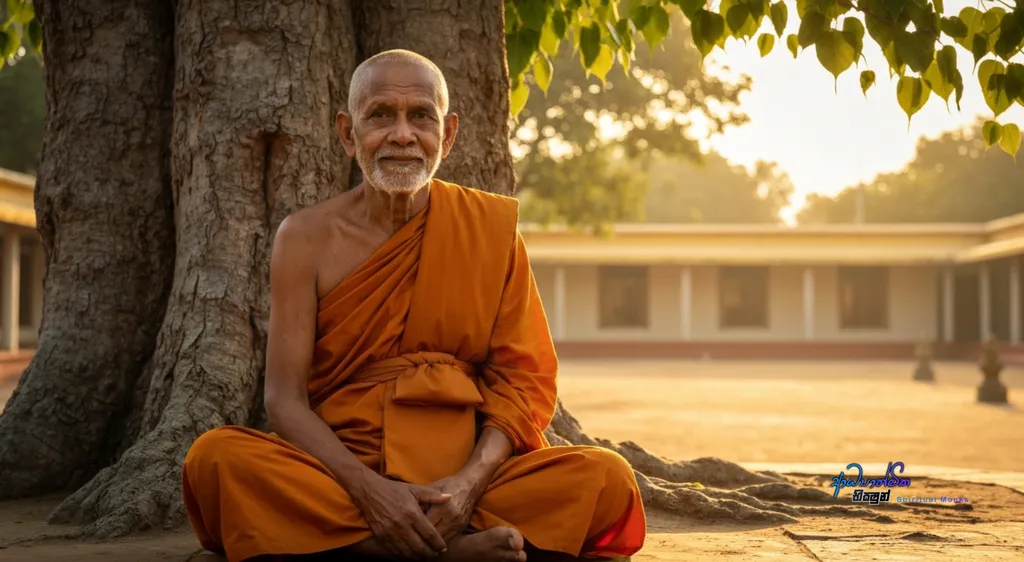
What is Brahmacharya? The Power of Spiritual Purity
To practice Brahmacharya is to abstain from all sexual activities. It also means not engaging with sensual pleasures. It is a state where one refrains from any act driven by lust whether heterosexual, homosexual, or even the act of self-pleasuring. To uphold this spiritual purity, or Brahmacharya, is to wield a powerful weapon; it is a source of immense strength.
Let me offer a simple example. Imagine you are someone who frequently engages in self-pleasuring. When you sit for meditation and practice for some time, a lustful thought will inevitably arise. To relieve that tension, you might engage in that act for a moment of fleeting pleasure. In doing so, you stop your meditation. The mind, which was beginning to settle, gets disrupted by a familiar habit. You are prevented from deepening your practice because the mind keeps getting trapped by this recurring pattern.
However, if you were to refrain from such activities for a significant period, you would begin to see the nature of what the Buddhist scriptures, the Tipitaka, call lokassāda worldly pleasure. This term refers to the highest form of sensual pleasure available in this human realm. When the urge arises, you are tempted to indulge in this lokassāda. This is its nature. We must understand that by not preserving our virtue, our Sīla, by not upholding Brahmacharya, we fall into this state. The mind is not allowed to develop.
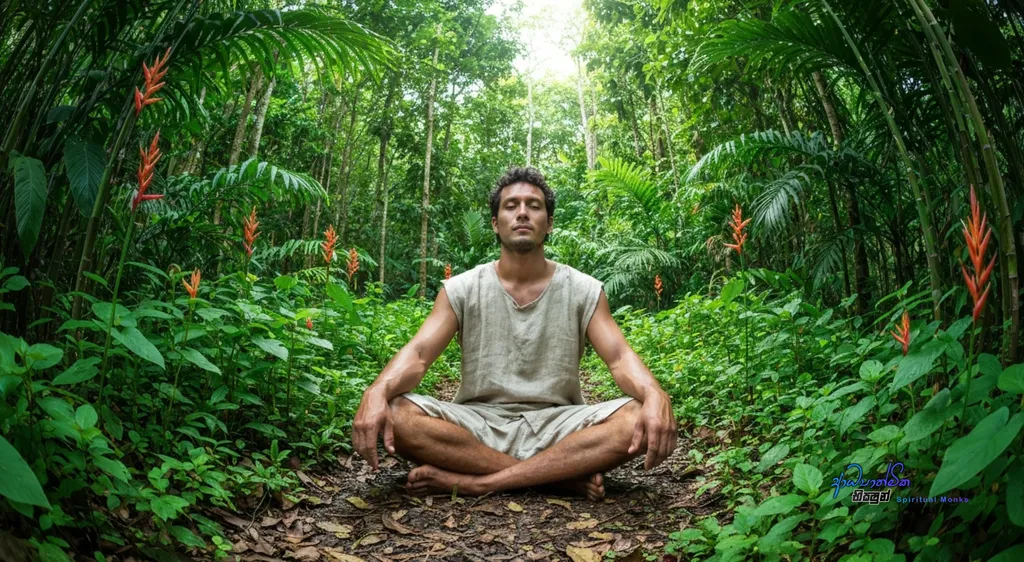
The Natural Unfolding: How Meditation Cultivates Purity
As you continue to develop the mind through meditation, a thought may arise from within: ‘It would be good for me to protect this Brahmacharya.’ You might decide, ‘For the sake of my meditation, for my concentration, for my Kundalini energy, for my path to liberation (Nibbāna), to understand and control my mind, to achieve mental one-pointedness, and to gain spiritual abilities and meditative absorptions (Dhyāna), I will practice this.’
For a person who thinks this way, Brahmacharya becomes a tremendous help. It provides a powerful boost, like an electric train, speeding up the progress of meditation. This allows the meditator to avoid the pitfalls we discussed, such as being derailed by lustful thoughts during practice.
Interestingly, if a person meditates daily while also regularly engaging in lustful activities, a transformation happens over time. As your meditation deepens, you will find that a resolve naturally arises within you: ‘I must protect this virtue. I shouldn’t break this.’ Or, without even thinking of it as a precept, you develop a natural aversion to the act. It starts to feel unpleasant. You compare it to the profound joy of spiritual peace and realize, ‘This is just a temporary pleasure. The satisfaction is so brief.’
These thoughts will arise on their own. Gradually, without needing to formally take a vow, you will find yourself naturally protected by this discipline as your meditation practice matures. This is why we have shared teachings that encourage you to focus on your meditation without obsessing over the precepts beforehand; as you practice, the virtues will naturally be cultivated.
The Great Challenge: Brahmacharya in Family Life
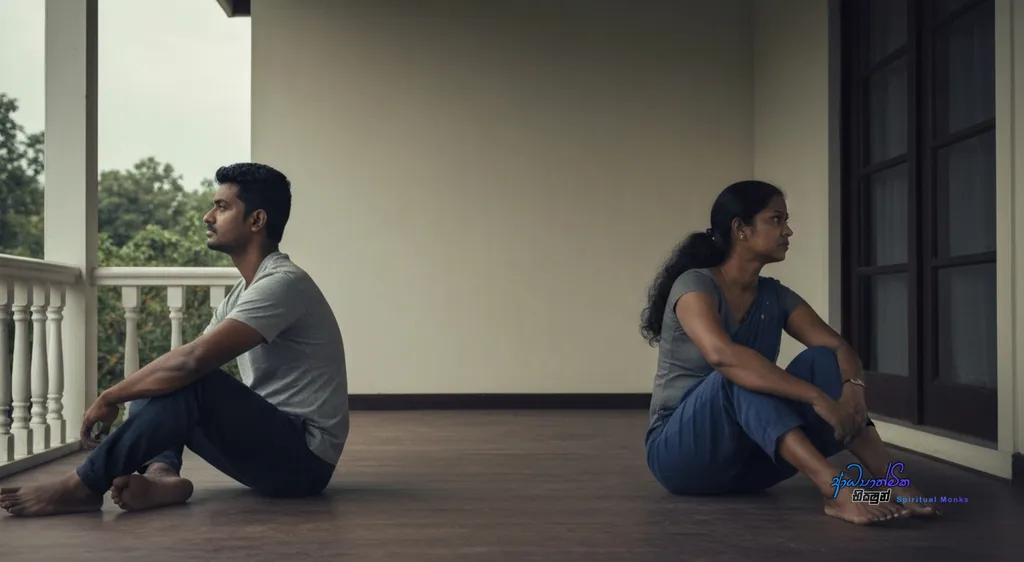
This brings us to a question I receive often, primarily from those living in a family structure. They ask, ‘Will my family life be destroyed by this practice?’ The truth is, meditation itself does not destroy a family. However, as your mind develops, you begin to understand that the peace found in meditation is far superior to the pleasure derived from sexual intimacy with your spouse. You start to see that there is a joy beyond that.
This realization can lead you to naturally want to reduce or stop these activities. A feeling of distaste or ‘enough-ness’ might arise. You start comparing the fleeting, seconds-long pleasure of a sexual climax with the sustained peace of a calm mind. This is where conflict can begin. If one partner say, your husband or wife does not meditate, a clash can occur. They might think, ‘My partner is meditating now and is no longer interested in me. Our connection is gone.’
In some cases, a misunderstanding partner might even seek intimacy elsewhere. In other cases, they may not form other relationships but will actively oppose their partner’s meditation practice. They act out of resentment and frustration, driven by a feeling of deprivation from the sensual pleasure and sexual satisfaction they are used to. This is a painful but real dynamic we have observed.
A person’s sexuality is often a primary way they relieve mental stress in the worldly sense. For someone who has never experienced the peace of meditation or had any insight into the nature of the mind, your change can be bewildering and threatening. They don’t understand, so they react negatively when that source of pleasure is removed.
The Middle Path: A Guide to Balance and Compassion
So, what is the guidance for a husband or wife who meditates? Please do not misunderstand this advice. I am not telling you to simply indulge in sexuality. However, you have the ability to fulfill your partner’s needs with the intention of protecting your family from falling apart. This is a path of wisdom and compassion. Such situations are not new; if you read the Tipitaka, you will find stories of this nature from the time of the Buddha to the present day.
At the same time, you must become skillful. Gradually, gently, introduce your non-meditating spouse to the teachings about the mind. You can balance both worlds: while you compassionately maintain harmony in your relationship, you can also plant the seeds of Dhamma in their mind. I use the term ‘plant seeds’ in a wholesome way, to help you understand. Explain these concepts to them little by little. Over time, as their own wholesome merit (kusala) begins to surface, their attention will turn toward meditation.
Eventually, they may join you on the path. This is what the scriptures describe as sama-sīla (equal virtue), sama-samādhi (equal concentration), and sama-paññā (equal wisdom). You both begin to align. Gradually, your own desires will fade, your partner will also be freed from the grip of craving, and you will become equal partners on the spiritual path. This is how some couples travel through samsara together, making aspirations together, much like Prince Siddhartha and Princess Yasodhara. That is a different topic, but it illustrates the potential.

Finding Your Pace on the Path
So you can see how a family might be disrupted, and on what grounds. But many people manage this with great balance. Therefore, never stop your meditation because of your family life. Do not cripple your practice or let it fall apart. In our teachings, we have consistently advised that you must learn to skillfully balance everything: your duties to your children, spouse, parents, relatives, and your job. While balancing all of these, become skillful in your practice of calm and insight meditation (Samatha–Vipassanā), mindfulness, third-eye meditations, and Kundalini energy meditations.
If you proceed this way, you need not fear that your family life will be ruined. It will not. It may take ten years, but you have the ability to help your spouse understand. You can both reach the same stages on the path together over time. The only difference is that your progress might be a little slower.
Because you are still engaged in sensual activity while also meditating, the ‘electric train’ speed I mentioned earlier will be reduced. Your mind will develop at a slower pace. But do not think it won’t develop at all! It will. Many people living family lives have already noticed this; they feel their mental state is far more developed than before.
Do not be discouraged by this slower pace. You are living a worldly life, so you must balance everything. What matters most is that you practice every single day, no matter how busy you are. Cultivate mindfulness daily.
The Unwavering Key: The Power of Daily Practice
Mistakes will happen. You may break the precepts (sīla). Do not make it a problem. Do not dwell on it. Just continue your daily meditation. Practice mindfulness. Engage practically in the Samatha-Vipassanā methods we teach and the devotional practices we guide you in every day. As you continue, you will see for yourself how much you change from within and whether the desire to correct these things arises naturally.
The most important thing, I repeat, is to practice daily. As you do this over months or years, the wholesome energy from your past lives will surface. Your faults and shortcomings will fade away, and you will become a complete person on the spiritual path one who attains meditative states (Dhyāna), awakens Kundalini energy, realiezes the fruits of the path, and understands Nibbāna. You will become someone who experiences true spiritual happiness and is whole in their spiritual life. This is the truth you need to have faith in.
So, align these factors and continue your practice. I believe you have gained a great deal of clarity on the question of whether Brahmacharya is necessary for meditation. This understanding is very important for your progress.
May the powerful blessings of the Buddha, Dhamma, and Sangha the Triple Gem give you the strength to understand Brahmacharya and practice with wisdom.
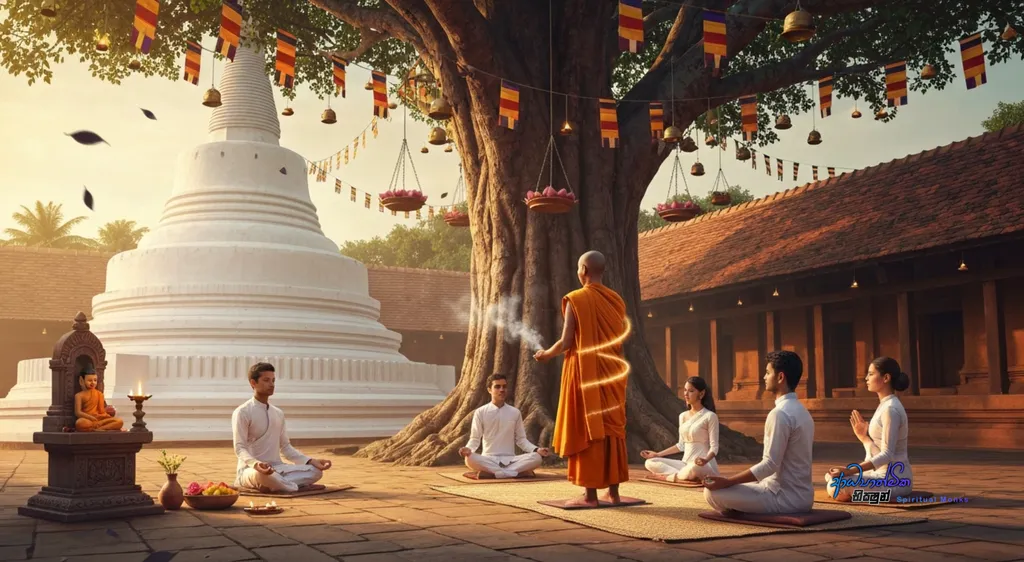
We invite you to walk this path with us. Read our teachings, and most importantly, apply them practically in your own life. as you practice, questions will naturally arise. Please feel free to share your experiences and questions in the comments section below, via email or contact form. I will do my best to offer guidance in future talks based on your progress. For now, begin this practice with an open heart and a mind free from expectation. Cultivate it correctly, and may you find the clarity and peace you seek.
Thank you for joining us. We hope this blog will be of great benefit to your spiritual journey.
May you all be well and happy.
May the blessings of the Triple Gem be with you all!


