


Categories: Other Meditation Teachings
May the blessings of the Triple Gem be with you all!
Today, we wish to address a question that many of you connected with our spiritual teachings have sent our way. It’s a common and thoughtful query that many people on a spiritual path consider: Is the practice of yoga an absolute requirement to develop one’s spirituality? This is a significant question, and we hope to offer a clear answer based on the Buddha’s teachings.
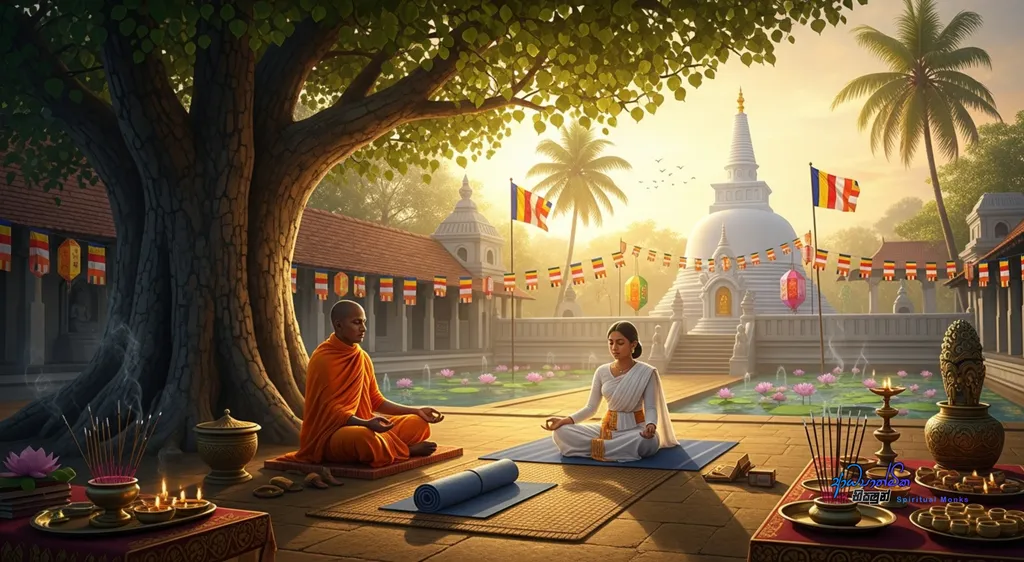
What the Buddha Taught: The Mind as the Primary Focus
Let us be very clear from the outset: the Buddha never stated that yoga exercises are necessary to practice the Four Foundations of Mindfulness, known as Satipaṭṭhāna, or to develop insight through Vipassanā meditation. There is no mention in the entire Tipiṭaka, the sacred scriptures of Buddhism, or even in its commentaries, that you must practice yoga to walk the path to liberation.
This is an important distinction to understand. The practice of yoga is certainly beneficial for the health of our physical body. In India, many powerful yogis, sages, and hermits prioritize developing their physical form first. Before they cultivate the mind for what is known as Samatha, or tranquility meditation, they engage in various physical exercises, or asanas. They spend a great deal of time training the body so that it can sustain the deep states of mental concentration required in their tradition. This is their method of preparation.
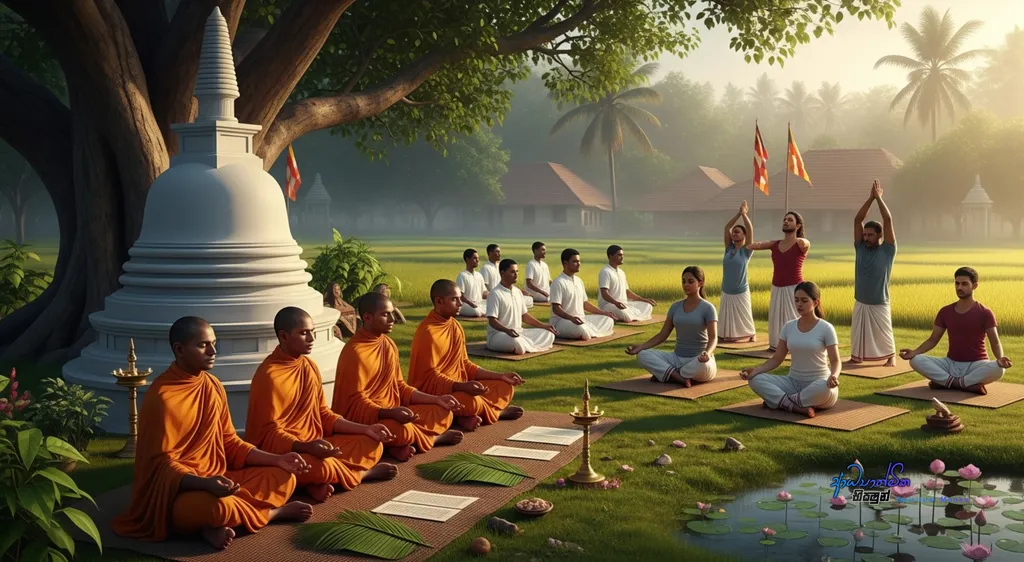
Concentration, Psychic Powers, and the Yogic Path
These yogic traditions, which are still very much alive today, especially in regions like the Himalayas, can lead to the development of extraordinary mental abilities. Through deep concentration, practitioners can attain various psychic powers. However, it is crucial to understand that these are fruits of Samatha meditation, which focuses on developing deep tranquility and one-pointedness of mind. These are genuine abilities gained through mental cultivation, not magic tricks.
These practitioners are often very skilled in yogic postures, which they practice diligently. But this path, while powerful, is distinct from the one taught by the Buddha for the purpose of complete liberation from suffering.
The Buddhist Way: Developing the Mind Directly
In the Buddhist approach, we give precedence to cultivating the mind directly. In the meditation methods we guide you through, such as practices for developing higher consciousness, we have never made yoga a prerequisite. This is because our primary aim is to develop the mind.
When the mind is truly developed and can enter deep states of meditative absorption, known as jhāna, the body naturally follows. A person in such a state can remain seated for two or three days without any specific prior physical training. The mind becomes so powerful that the body adapts and aligns with it. There is no need for a separate, strenuous effort to prepare the body first.
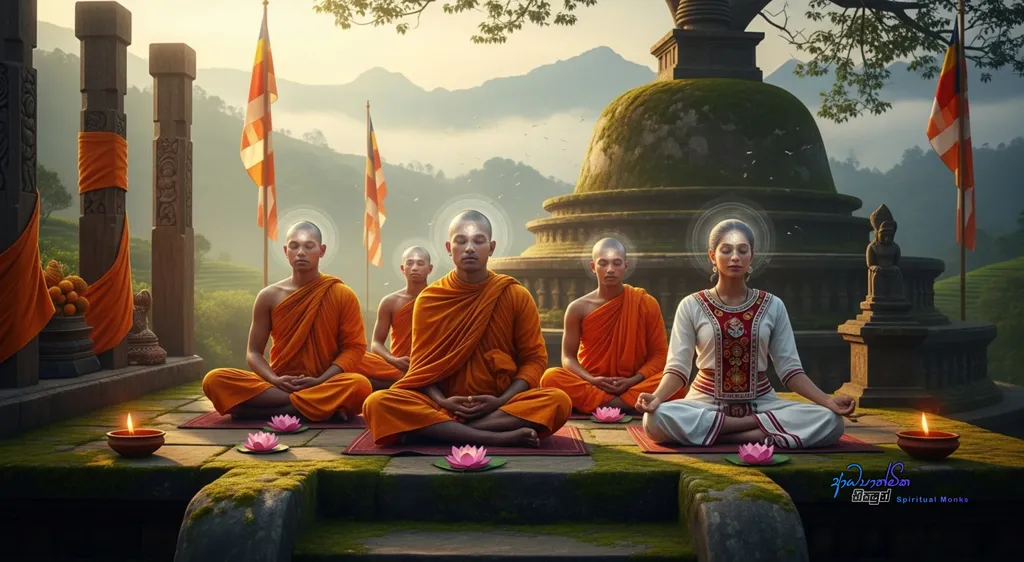
Spontaneous Yogic Movements: When the Body Follows the Spirit
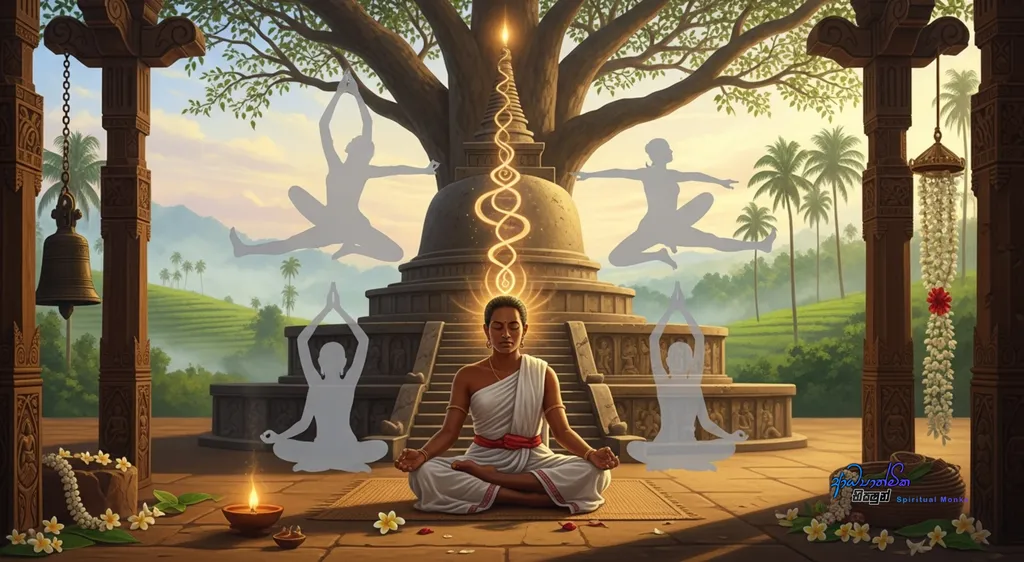
There is, however, a fascinating phenomenon that can occur, which we have discussed in a previous teaching on ‘Universal Spiritual Exercises.’ For some individuals, as their spiritual energy awakens, sometimes referred to as Kuṇḍalinī, their bodies may begin to perform various yogic postures spontaneously. These are movements and postures that the person has never learned or practiced before; they happen naturally and effortlessly.
This is the only context in which such yogic movements are mentioned in our teachings, and it is crucial to note that this is a natural unfolding, not something to be forced or actively pursued. For those who wish to understand this more deeply, we encourage you to explore our complete collection of teachings. This happens for some, but not all, and it is not a goal in itself.
Is There a Place for Yoga? Benefits for Health and Well-Being
This does not mean we are saying there is anything wrong with practicing yoga. On the contrary, especially if you are a layperson living a household life, yoga can be incredibly beneficial. It contributes wonderfully to the health of the body and can help reduce the risk of various illnesses. There are many positive results from yoga, and we would never deny them. It is an excellent practice for physical well-being. The distinction we are making is not about whether yoga is good, but whether it is a requirement for the path of liberation.
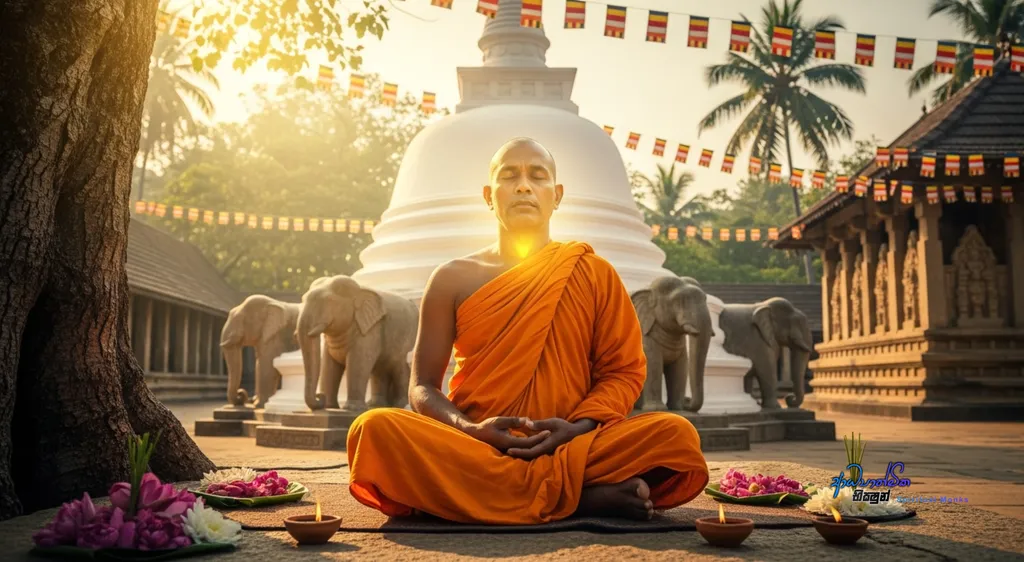
The Direct Path to Liberation: Satipaṭṭhāna and Wisdom
However, for a monastic, or for any individual whose primary goal is to gain liberation from the cycle of suffering, or Nibbāna, yoga exercises are not necessary to practice the Satipaṭṭhāna. Why? Because here, it is the mind we are developing. We are not primarily concerned with the discipline of the physical body, but rather with gaining a deep understanding of it.
In the Four Foundations of Mindfulness, the first foundation is Kāyānupassanā, the contemplation of the body. The Buddha taught us to observe the body with mindful awareness to understand its true nature with wisdom, or paññā, not to perfect it physically. This wisdom is what leads to freedom. We encourage you to reflect on the teachings related to the practice of mindfulness, as many have shared with us the profound results they have gained by applying them diligently.
Conclusion: The Power Lies Within Your Mind
So, what should you take away from this teaching? The choice is yours. If you wish to practice yoga, you are free to do so. If you do not, you can let it be. It is not a requirement for developing the mind through Samatha-Vipassanā meditation.
There are people who have followed these teachings and have developed higher mental abilities, such as awakening the ‘third eye,’ without ever having practiced yoga. There are others who have reached states of jhāna purely through the cultivation of the mind.
This is possible because the most important thing to remember is this: if we develop our mind, either by suppressing the mental defilements, the kilesas, or by eradicating them completely, our body will configure itself according to our mind. Remember this as you engage in your practice.
This was the brief understanding I wished to offer in response to your question. A lengthy discourse is not necessary, but it was important to provide a clear answer for everyone’s benefit. We will conclude today’s teaching here.
May you all have the strength to understand these matters and act accordingly.
We invite you to walk this path with us. Read our teachings, and most importantly, apply them practically in your own life. as you practice, questions will naturally arise. Please feel free to share your experiences and questions in the comments below, via email or contact form. I will do my best to offer guidance in future talks based on your progress. For now, begin this practice with an open heart and a mind free from expectation. Cultivate it correctly, and may you find the clarity and peace you seek.
Thank you for joining us. We hope this blog will be of great benefit to your spiritual journey.
May you all be well and happy.
May the blessings of the Triple Gem be with you all!.


