


Categories: Maintaining Mindfulness
May the blessings of the Triple Gem be with you all!
Through our shared journey of exploring the spiritual life, many of you have already gained a significant understanding of your inner world. By putting these teachings into practice, you have expanded upon that wisdom through your own direct experiences. We have previously explored teachings on maintaining mindfulness, designed to help you understand your own mind in a practical way.
For those who have applied these methods, a new level of self-awareness has begun to dawn. The level of understanding you have now is far greater than what you knew before. However, the amount left to understand is vaster still. We can only grasp this remaining portion bit by bit, through consistent effort. The key, a word I find myself repeating like a mantra, is practicality.
This commitment to practice is what begins to truly change your life. Without it, teachings become mere words. By now, a faith in the spiritual path has likely taken root within you, and you have a clearer idea of what this journey entails. Today, we will explore a natural consequence of this development: gaining a true understanding of life itself.
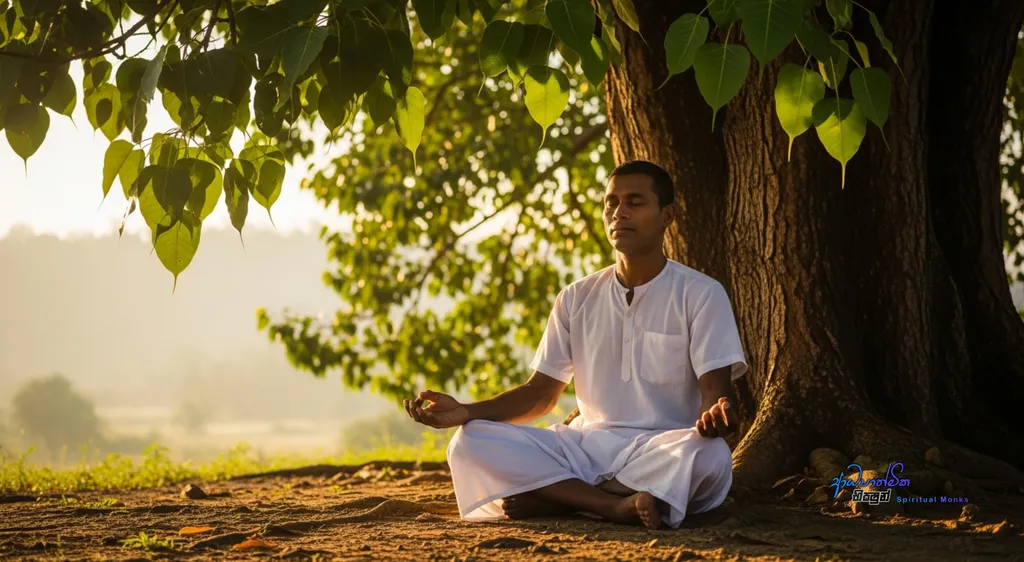
When Spiritual Practice Unveils a Deeper Reality
As you deepen your spiritual practice, you begin to grasp the reality of life, or what we call Jīvitāvabōdhaya a profound understanding of life. You start to see what life truly is. For those who have heard or read the Buddha’s teachings (the Dhamma), this practical exploration of your own mind also illuminates the nature of Samsāra.
Samsara is the long, continuous cycle of birth, death, and rebirth we all travel through. You begin to realize: What is this cycle? It becomes clear that it is the mind itself that we carry from one existence to the next. This very mind is the vehicle for our journey through Samsara.
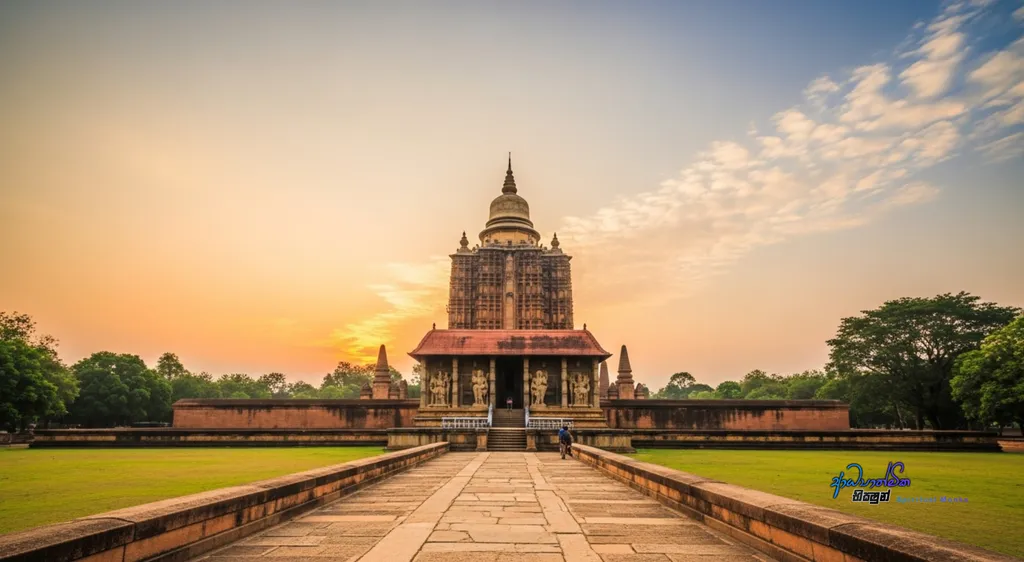
Why Do We Feel Life is Tiring? Two Kinds of Weariness
At this point, you have a much clearer picture of your mind’s nature. Yet, as I mentioned, there are still many unperceived aspects. You absolutely have the potential to understand them, and that too depends on your practical application.
As this understanding of life dawns, a powerful question often arises: “What is this life, really?” This can be accompanied by thoughts like, “Why am I living like this? What is the point?” These questions are not bound by age, race, religion, or gender; they emerge from practice. Interestingly, this feeling can also arise in people with no spiritual practice at all.
They might have faced worldly collapses in their finances, relationships, or family life. When their hopes are shattered, they can feel a deep weariness, a sense of being ‘done’ with life, even to the point of despair. This is a common human experience.
However, the experience for a spiritual practitioner is different. The person on the path gains an understanding of this worldly suffering, and they may have experienced such setbacks themselves. But the questioning can also arise even when their worldly life is perfectly fine.
They might have a loving partner, financial stability, a good job, and no academic or family problems. Yet, as they continue to investigate the mind practicing the mindfulness, or Sati Sampajañña, taught by the Buddha as the Four Foundations of Mindfulness (Satipatthāna) a new realization emerges.
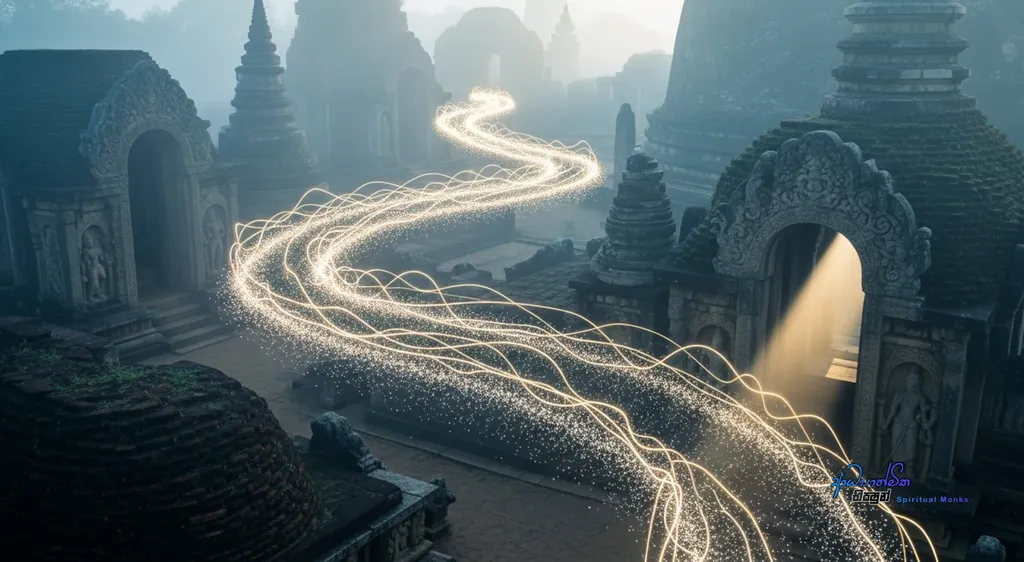
The Beautiful Question: “Is There Something More?”
Even with every worldly comfort, the practitioner feels a persistent sense of incompleteness. “Despite enjoying all this, there’s something missing. Is there a real meaning to this? There must be something I don’t know, something I haven’t found.” These kinds of thoughts begin to surface. Please understand, this is not a wrong or negative line of thinking. In fact, it is the best, most wholesome thought that can arise in you. It is a sign of true progress.
This questioning might make you feel a bit stuck, as if you’re not moving forward. You might wonder, “Is this all there is?” But this feeling of weariness in a practitioner whether triggered by worldly hardship or arising from a place of stability is the dawn of Jīvitāvabōdhaya, the true understanding of life.
Seeing the “Madness” of the World with a Clear Mind
Remember this crucial point: the more we develop our spirituality, the more we understand life. Mostly, we understand ourselves. By studying our own lives, we begin to see that other lives follow the same pattern. We develop a universal understanding of life.
With this insight, you may look at the world around you children studying, people chasing money, living diverse lives and see it differently. You notice the desperate struggle to earn more, to protect what they have. Through the clarity gained from mindfulness (Sati), you see this activity in your society, and it starts to look like a kind of ‘madness’ or a ‘false game.’ You might think, “What is this endless running? Why do we study like this? Why do we earn money like this?” You begin to perceive the inherent suffering in this cycle.
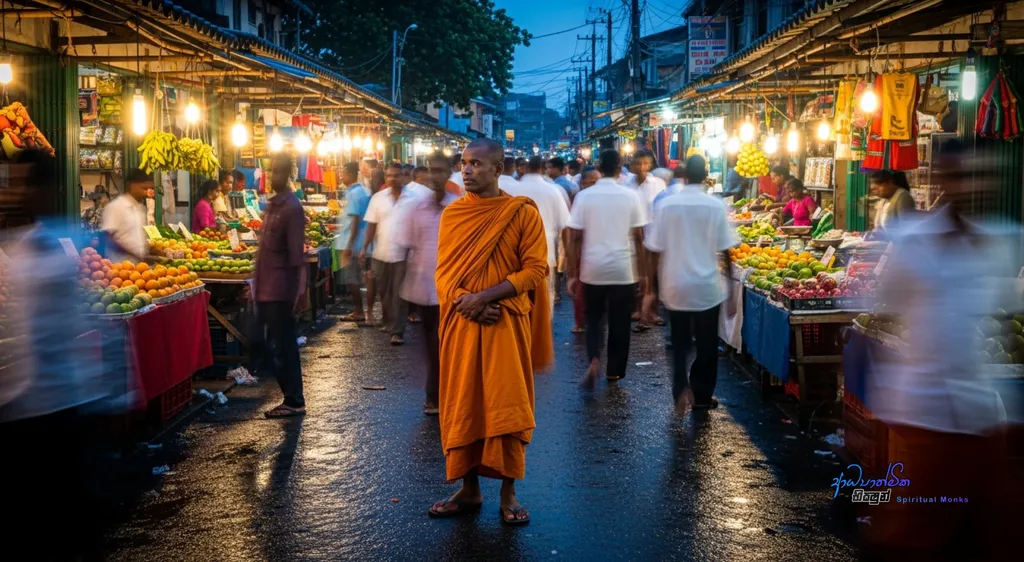
The Difference Isn’t What You Do, But How You Do It
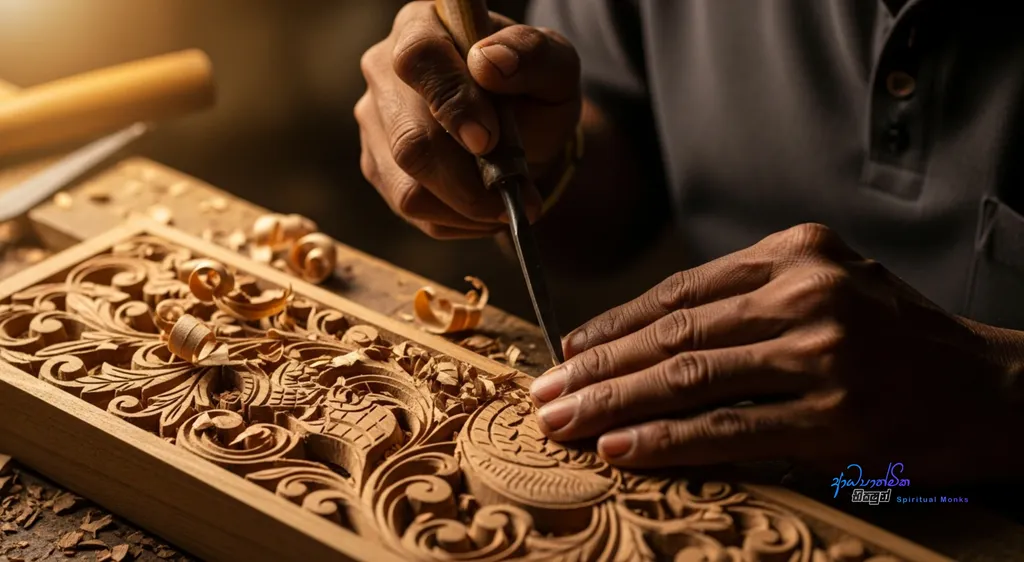
Now, this is not to say you should stop earning money, get divorced, or prevent your children from getting an education. That is a misunderstanding. The key here is Jīvitāvabōdhaya, the understanding of life. After all, did the Buddha or the enlightened ones (Arahants) stop eating or bathing after they achieved liberation? No. The Buddha ate his morning and midday meals. The Arahants did the same. They washed their bodies and their robes and lived in a clean and orderly way. We must maintain these basic aspects of life.
The difference is that we become special. Other people eat, drink, and bathe without knowing the real meaning of it. They earn money without understanding why. They say, “We earn to live,” but they don’t grasp the real meaning of that statement. For them, it is merely about accumulation driven by craving, or Taṇhā. Taṇhā is the insatiable thirst for more, which is the root of so much suffering.
But you, the layperson practicing mindfulness (Sati) and insight meditation (Vipassanā), also engage in these activities. You earn money, run businesses, and pursue education. The difference is that others do it with Taṇhā. They act as if there is no next life, no Samsara. They operate from jealousy, anger, and hatred, especially when they see others succeed. In a world of competition, people’s craving only intensifies.
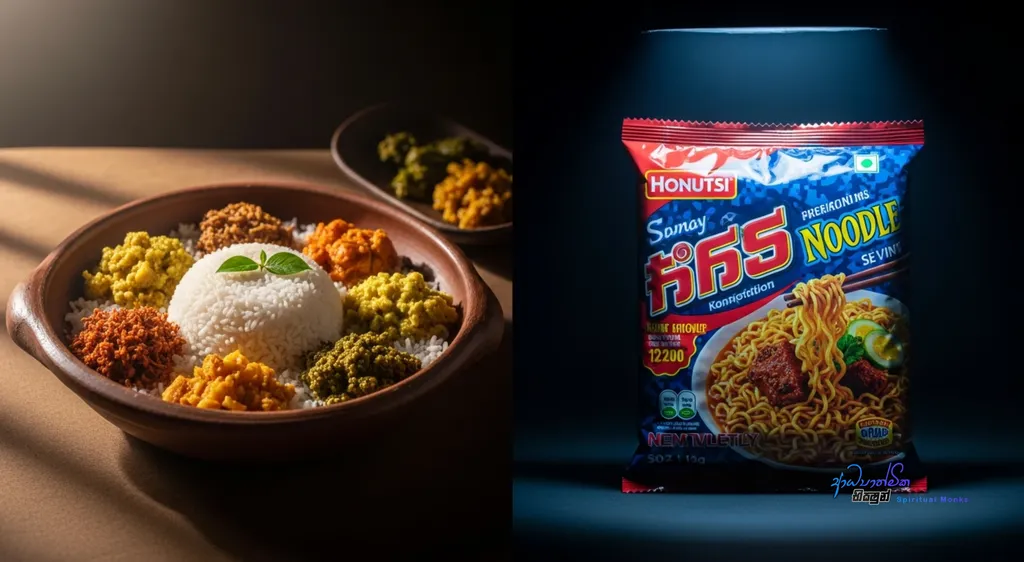
The Instant Noodle Life: Why Craving Leads to Suffering
Remember this: the more competition there is in the world, the more people’s craving and desire grow. And as craving grows, people want everything instantly. It’s like instant noodles. Think about instant noodles. They are full of artificial flavors. We can make them quickly, and they taste good.
But what do they give us in the long run? Illnesses like cancer. The world’s competitive drive is just like that. As craving increases, people fight and kill each other. Life is lost. The existence of prisons, the jealousy and hatred people feel when others get ahead all of this stems from this root. This intense competition in education and all fields fuels a state where human craving spirals out of control.
Are We Just Repeating the Same Life Over and Over?
So, whether we have problems or not, whether we face financial struggles or live in comfort, a question arises for all of us on this journey as our practice deepens: “What is this life?” However, some people never ask this. Despite immense wealth, the thought never occurs to them; they just keep chasing more and more sensual, worldly pleasures (kāma).
Others, despite immense hardship, only feel the pain of not getting what they want; they don’t develop a true disillusionment or sadness born from a real understanding of life’s nature, the inherent suffering called Dukkha. These two groups of people do not feel the need to find a path out of Samsara, to practice insight meditation, or to investigate the mind. They try to get what they want by any means, even through unwholesome actions.
As I have explained from the beginning, this teaching is not about them. It is for you, in whom this understanding is dawning. This realization can come from practice in this life, or it can arise from the habitual patterns of practice cultivated over many lives in Samsara. Again, it is not limited by race, caste, religion, gender, or age.
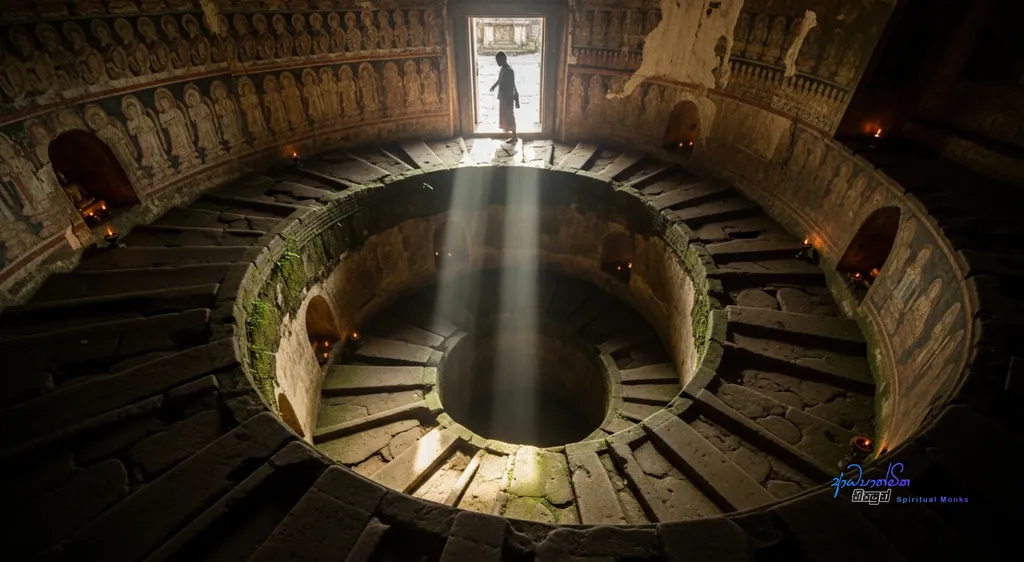
The Path Forward: Living with True Understanding of Life
When this insight dawns, you look at your life and ask those profound questions: “What life are we living? Why do we live this way? Is it necessary? Isn’t there something beyond this?” If we are honest, from the perspective of spiritual development and the Buddha’s teachings, this conventional life is ultimately pointless on its own.
We receive a temporary human existence based on our past wholesome actions, or kamma. We are born, raised by our parents, and then enter the socially accepted path: preschool, school, higher education, university. Then we get a job, get married, have children, and face the various problems in our country. We chase money, try to expand our businesses, get more degrees, or climb the corporate ladder for promotions and bonuses.
If you believe in past and future lives and the results of intentional actions (kamma-phala) and a spiritual person does, as they are not of wrong view (micchā diṭṭhi) then consider this. Imagine you were reborn as a human just ten times. In each of those lives, didn’t you do this exact same process over and over? You will find the answer is yes. We are born, we learn, and we repeat the same actions endlessly. That is what we are doing.
We invite you to walk this path with us. Read our teachings, and most importantly, apply them practically in your own life. as you practice, questions will naturally arise. Please feel free to share your experiences and questions in the comments below, via email or contact form. I will do my best to offer guidance in future talks based on your progress. For now, begin this practice with an open heart and a mind free from expectation. Cultivate it correctly, and may you find the clarity and peace you seek.
Thank you for joining us. We hope this blog will be of great benefit to your spiritual journey.
May you all be well and happy.
May the blessings of the Triple Gem be with you all!


