


Categories: Maintaining Mindfulness
May the blessings of the Triple Gem be with you all!
Today, we continue our journey into the practical application of Samatha-Vipassana, calm and insight meditation. For those of you exploring your spiritual life and practicing mindfulness, this teachinaand applying mindfulness to see what arises within it, we begin to understand the nature of our thoughts.
As we have explored before, once you truly understand your thoughts, they no longer have the power to trouble you. Those who have put this into practice have already begun to experience its truth, and those who are currently practicing are discovering it for themselves. This path leads to a profound kind of mental freedom.
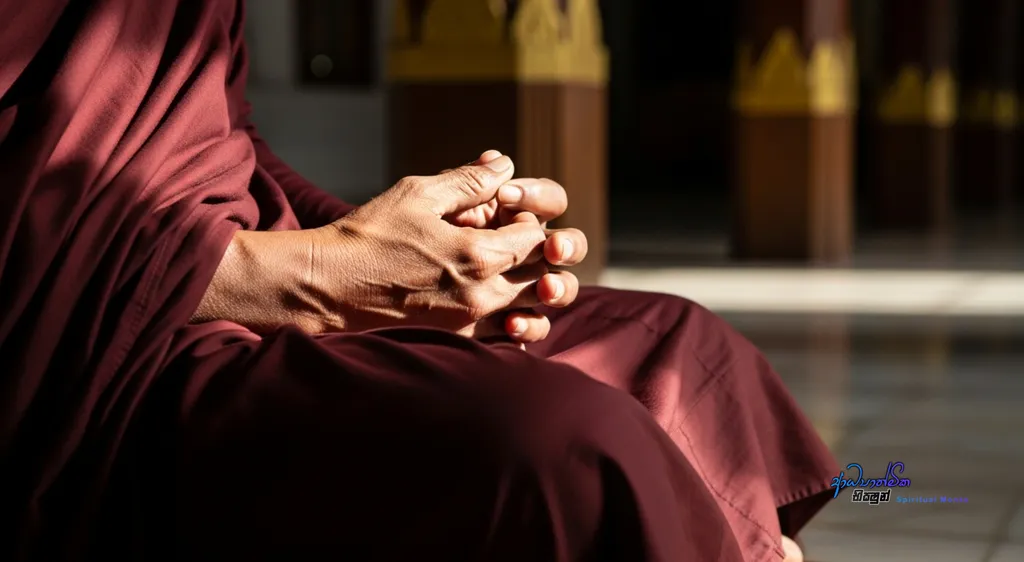
The Three Reactions of the Mind: Clinging, Clashing, or Calm
When we observe the mind, we consistently see two common characteristics: attachment and aversion, or clinging and clashing. The mind is almost always either pulling something closer or pushing something away. However, there is a third state: neutrality, where the mind is neither clinging nor clashing.
You have likely experienced this already. Some thoughts simply arise and pass away without leaving a mark. They follow a natural process known in Buddhism as Uppada, Thiti, Bhanga, arising, persisting for a moment, and ceasing. These thoughts don’t cause you to feel attachment or aversion; they don’t bother you at all. They come and go naturally.
Have you noticed such thoughts? Of course. And have they ever caused you any trouble, pain, or mental distress? No. They haven’t caused you to cling, nor have they provoked anger or irritation. If our minds could remain in this state of natural ease, we would experience the highest mental well-being.
The ones who dwell perfectly in this state, free from clinging and aversion, are the enlightened beings, the Buddhas and Arahants (fully liberated ones). Those on the path, known through stages like Sotapanna, Sakadagami, and Anagami, are progressively cultivating this quality in their minds.

The Search for Lasting Peace in a World of Temporary Pleasures
Our goal is not to chase after these labels or stages of enlightenment. As I always say, do not worry about such terms. What matters is cultivating this state of mind. The untrained mind, what we call the puthujjana or ‘worldling’ mind, is constantly occupied with clinging and clashing.
While moments of neutrality occur, they are rare. If we can free ourselves from this constant push and pull, we begin to experience an incredible mental freedom. Only when you taste this freedom will you understand what a profound comfort and release it is.
To attain this freedom, you must study and understand your own mind. There is no other way. Of course, the world offers alternatives. Outside of the spiritual path, people seek relief through what is called laukika kama, or worldly sensual pleasures: going on trips, visiting clubs, drinking, eating, indulging in idle chatter with friends. These activities provide a temporary happiness, a fleeting pleasure.
But this happiness doesn’t last. It comes and goes, and when we chase it constantly, it becomes cheapened and unsatisfying. On the other hand, when aversion arises, a strong anger or hatred about something in our worldly life, it invades the mind and torments us again and again, completely destroying our mental freedom and peace.

The True Source of Happiness Is Within You
Therefore, what we must do is find our freedom, happiness, and peace from within, through the spiritual path. We often search for it externally, telling others, ‘My peace is with you,’ seeking it through love, lust, people, places, or things. But this path of meditation reveals that what we seek is temporary when sourced from the outside.
Those who practice the Buddha’s teaching on the Four Foundations of Mindfulness, or Satipatthana, and cultivate insight through Vipassana, come to understand deeply that true peace is found within themselves. Even as they navigate the world, they are always aware that worldly experiences are fleeting and that a more profound, unshakable peace can be cultivated.

A Practical Example: The Mindful Practitioner in the Modern World
Let’s consider a practical example. Imagine someone who is new to practicing mindfulness but still goes to nightclubs, a habit from their old life. They are still in the early stages of training. While they are there, drinking and dancing, something is different.
Unlike before they started practicing, a voice in their mind now whispers, ‘This isn’t it. This isn’t real freedom. This isn’t mental freedom.’ This thought may arise even in the middle of the party. If you are such a person, think about any activity you do for pleasure.
Now, consider the person you were before you began this practice. Would such a thought have occurred to you in that nightclub? It’s very unlikely. The person in our example, despite engaging in the old behavior, is now fundamentally different.
Even while making a mistake, an awareness arises that ‘This is not the right path, but I am here because I still have a desire for these worldly pleasures.’ A level of understanding emerges. Later, when they leave the club and the intoxication fades, they reflect and return to their mindfulness practice with renewed determination.
How Mindfulness Naturally Transforms Your Choices
As this person continues to practice, they begin to compare the two experiences: the temporary excitement of the nightclub versus the deep, stable peace they feel when practicing mindfulness. This comparison happens naturally within the mind. They see the difference.
Over time, this understanding changes their behavior without force. The person who went to the club daily might start going every other day, then once every few days. The desire to seek pleasure outside diminishes as the appreciation for inner peace grows.
This applies to everyone, regardless of age, gender, or background. Even while practicing mindfulness, you will make mistakes. That is normal. But the difference is that after a mistake, your mind will be filled with a thousand thoughts of regret or a powerful intention to correct yourself.
This is the nature of a mind being trained. The thought, ‘I need to fix this,’ arises again and again. You may still stumble, but the aspiration to walk the path correctly is always there. You might think, ‘I need to step back from these sensual worlds a little, to live with less attachment.’ Such thoughts are a sign of progress.

The Goal is a Stable Mind, Not a Spiritual Label
For an ordinary person, a puthujjana who doesn’t know of or practice mindfulness, there is no such internal conflict. They indulge in worldly pleasures, thinking, ‘This is all there is to life,’ and spend their time chasing them. The practitioner’s journey is different.
Even when they fall, they strive to get back up, working toward a stable mind that is not easily shaken. This stability is a state of equanimity, known as Upekkha. The highest, most unshakable equanimity is Nibbana (Nirvana). The stages of enlightenment simply mark developing levels of this stability.
Again, I must emphasize: do not seek labels. Many people are tempted to ask, ‘My mind is at this level, so am I at this stage?’ This is a foolish question. Please do not ask me. All that is necessary is to practically understand for yourself whether your mind is stable or not.

The Detective of the Mind: Investigating Your Inner World
As you practice, you will notice that your mind becomes more neutral and equanimous in certain situations. If you still find yourself repeatedly clinging to a particular thought, it means you have not yet understood it. If you are constantly clashing with a thought, you have not understood it. To understand it is to become neutral towards it. The goal is to transform all thoughts that trouble you into these neutral, passing phenomena.
A person who understands their thoughts is equanimous and centered. They are not easily agitated or fearful. Why are we afraid of something? Because we haven’t understood fear. We are not equanimous towards it. Why do we panic? Because we haven’t understood the nature of panic. That is why I say, when you feel agitated, apply mindfulness. Observe that feeling. Understand its nature. This is the teaching of the Buddha.
Whether it is lust, anger, greed, jealousy, or even attachment to ‘good’ and ‘bad’ thoughts, you must maintain mindfulness and investigate. Be like a detective or an intelligence officer. Inquire deeply: How attached am I? How much aversion do I have? What is the feeling in my chest, my head, my body when this thought is present or absent? This systematic study is how you come to understand the mind.
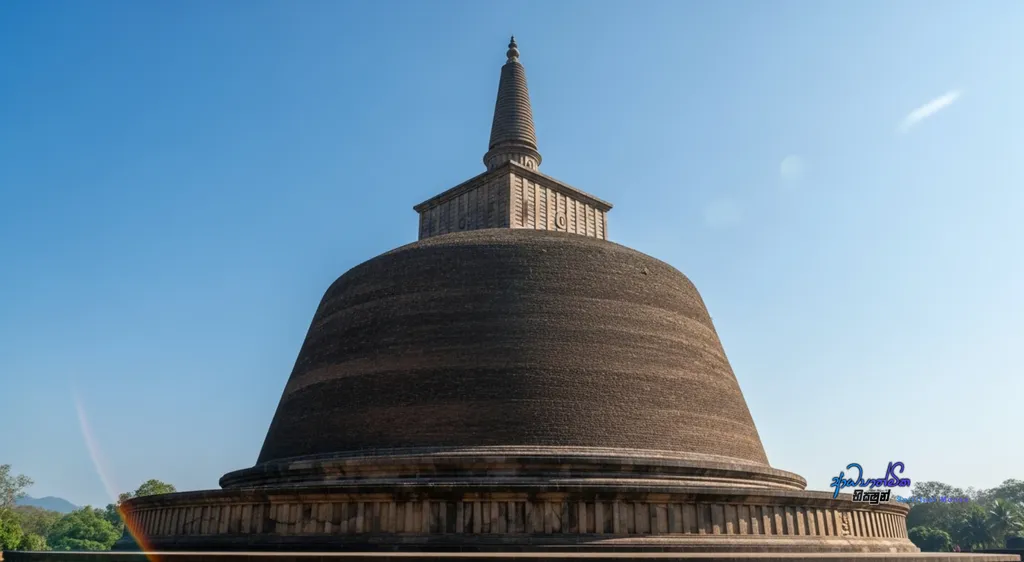
Wisdom Is Not Age, It’s Experiential Understanding
This deep understanding is the Middle Path, the Majjhimā Paṭipadā, that the Buddha taught. It is a state of becoming a neutral, equanimous person. Many of you who practice have sent messages saying, ‘I am more equanimous than before.’ You have compared your past self to your present self and seen the progress. You are not yet perfectly equanimous like a fully enlightened being, but you are more balanced than before. That progress is what matters.
This maturity is the development of wisdom, or Paññā. It has nothing to do with age. You could be twenty years old, but if you take a thought that once caused you immense mental pain, study it, and understand it to the point where it no longer bothers you, you have become mature in relation to that thought. You have developed wisdom from that experience. That is your inner light.
If you ever feel a lack of mental freedom, it’s because you are clashing with something. In that moment, apply mindfulness and look. You will find you are grieving over something you don’t have. Observe that feeling of attachment and aversion, and as you understand it, it will begin to fade. Your mental freedom lies right there, within that very experience.

Finding the Gem in the Mud: Liberation Within the Thought Itself
Many people begin meditation with the wrong idea. They try to stop thoughts or empty the mind. This cannot be done, not even with deep concentration meditation, or Samatha, which can only temporarily suppress them. It is through insight, Vipassana, that we understand our thoughts. As we understand them, they naturally and gradually lessen. Your mental freedom is found within the very thoughts that trouble you.
Imagine I give you a muddy pit and tell you there is a precious gem hidden inside. You would sift through the mud, again and again, until you find it. In the same way, you must take the thought that troubles you most, the one you are most attached to or have the most aversion to, and investigate it with mindfulness and wisdom. When you finally understand it, a gem will emerge from that mud.
within that very thought, your liberation, your light, and your mental freedom will be born. This is our direct experience. If this is not happening for you, it means you are not yet practicing correctly with mindful wisdom. The weakness is not in the teaching or the teacher, but in your own practice. Don’t think of it as a failure; simply recognize that your wisdom has not yet matured in that specific area.

The Power of Familiarity: Becoming Undisturbed by Life’s Cycles
Let me offer another analogy. Imagine a child who, from age five to six, gets beaten every day. Then, from six to seven, they are left in peace. From seven to eight, the beatings resume. This pattern continues for thirty years: one year of hardship, one year of peace.
With no way to escape, what happens? The child becomes accustomed to it. The experience becomes normalized. It no longer throws them into a panic because it is a familiar pattern. This is not about condoning harm, but about understanding the mind’s ability to adapt.
In the same way, our minds are constantly met with pleasant and unpleasant experiences through our senses: beautiful sights, harsh sounds, agreeable tastes, painful sensations. As you practice mindfulness, you become familiar with this endless cycle. Things come and go.
With this deep familiarity, the mind ceases to be disturbed. Good thoughts come, bad thoughts come, lust arises, and they all pass away. The problem is not the experience itself, but our lack of familiarity with its impermanent nature. To ‘get used to it’ in this context means to develop equanimity and neutrality. The person who achieves this becomes truly free.
Consider the political situation in our country. For seventy years, the same cycle repeats. A party comes to power with promises, then engages in corruption. The opposition criticizes them, then gets into power and does the same thing. A person who has watched this for seventy years is no longer fooled or emotionally swayed. They have become mature regarding politics.
A young person might get swept up in the drama, but with time, they too might see the pattern and become disengaged. Your mind is like this. When you study it long enough, you see the repetitive patterns of pleasure and pain, and you are no longer fooled. You become equanimous.

Conclusion: The Path Is Practice
I will not extend this teaching further. I believe I have provided the necessary understanding for your practice today. What is required now is to put it into practice and to understand your own mind. Understanding your thoughts leads to an equanimous, neutral mind. A person who understands their thoughts is free, liberated from slavery to them. This state can be achieved, but it must be done systematically, without panic, neither too fast nor too slow, but with a balanced and steady effort.
As we conclude, may the power and blessings of the Buddha, Dhamma, and Sangha, the Triple Gem, give you the strength to understand your own mind in this way. May you continue to find greater mental freedom on your path.
We invite you to walk this path with us. Read our teachings, and most importantly, apply them practically in your own life. as you practice, questions will naturally arise. Please feel free to share your experiences and questions in the comments below, via email or contact form. I will do my best to offer guidance in future talks based on your progress. For now, begin this practice with an open heart and a mind free from expectation. Cultivate it correctly, and may you find the clarity and peace you seek.
Thank you for joining us. We hope this blog will be of great benefit to your spiritual journey.
May you all be well and happy.
May the blessings of the Triple Gem be with you all!


