


Categories: Eradicate the Fear of Meditation
May the blessings of the Triple Gem be with you all!
Welcome. In our ongoing exploration of the spiritual life, we often touch upon practical matters related to meditation. Today, we will address what is perhaps the most difficult challenge you face when you begin a spiritual journey: maintaining a consistent meditation practice.
So many people find this to be a struggle. Why is that? The reason is simple: we begin meditating with an expectation. We hope for some result, however small. When that result doesn’t arrive in the way we imagined, a sense of disappointment and frustration arises. This can lead us to want to give up on our meditation practice, and often, people drift away from it entirely, returning to their former ways of life.
This is a common experience, and we have discussed these spiritual expectations in previous teachings. Whether you are new to these articles, a regular reader who is actively practicing, or even someone who has already seen significant results from your meditation, this teaching is for everyone. Once you begin the path of insight shown by the Buddha, the most arduous task is to continue without interruption.
Whether you call it maintaining mindfulness, cultivating moment-to-moment awareness (sati-sampajañña), or practicing the Four Foundations of Mindfulness (Satipatthana), the challenge remains the same. Whatever name you give it, be it insight meditation (Vipassanā) or dry insight (sukkha-vipassanā), continuing the meditation practice consistently is incredibly difficult.
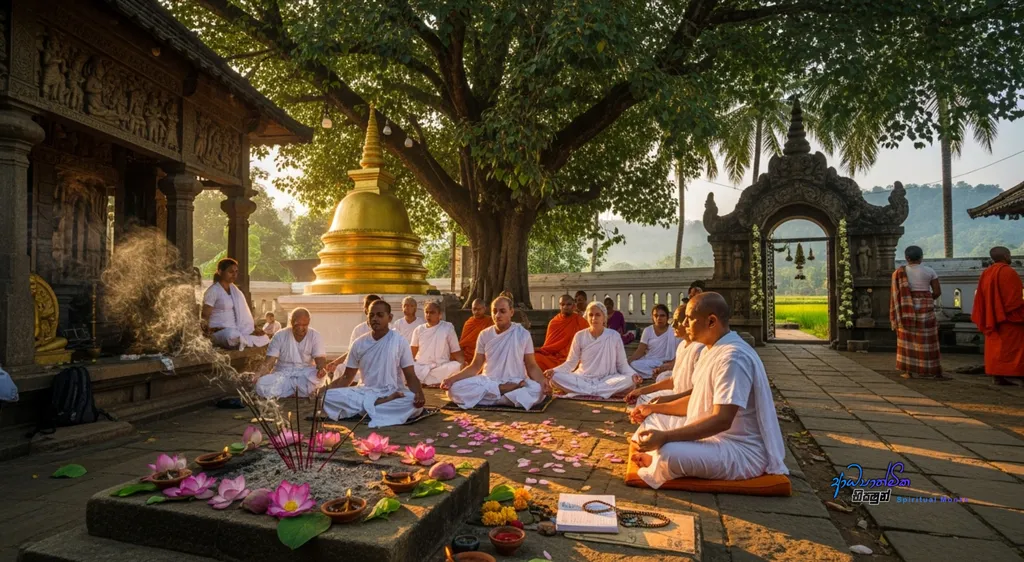
Why We Falter: Unmet Expectations and the Need for Patience
For some, persistent practice comes naturally, often due to efforts made in past lives, a concept we often speak of on this path. For those with less of this past conditioning, continuing a meditation practice for a long time is exceptionally hard. The tendency to give up midway is very strong. This is especially true for insight meditation. When we are on a journey and see no immediate milestones or results, we can lose heart.
Exploring the mind is a very subtle process. Unlike tranquility meditation (Samatha), where results can be more tangible, the fruits of insight meditation (Vipassanā) dawn in the mind, they are realized through wisdom (paññā). Sometimes, it takes a considerable amount of time for these insights to arise. If we lack the patience to wait through this period, or if we fail to cultivate equanimity (Upekkhā), we may not even last until the moment a result is due.
We become so disheartened that the urge to abandon the practice becomes overwhelming. It is crucial to understand this dynamic from the very beginning. When you start any meditation practice, remember this potential challenge.

The Two Pillars: Conviction (Saddhā) and Effort (Viriya)
This principle applies to all forms of meditation, whether it is a practice you learn from these teachings, from another teacher, or one you pursue independently. For example, some who begin concentration practices find that it can take a long time to see even a sign of light or feel a change in the forehead. I often receive messages from people saying, “Venerable Sir, I haven’t received any results yet.” We must remember that the timing of results is relative to each individual. This is a point I often repeat.
To navigate this journey, certain qualities are essential. If you read about the 37 Factors of Awakening (Bodhipakkhiyā Dhammā), perhaps in texts by venerable masters like the late Rerukane Chandawimala Maha Thero or through online resources, you will see they fit together like an interconnected system. The very first quality we need on this path is faith, or more accurately, conviction (Saddhā).
If we are following an insight meditation practice, we must have conviction in the Buddha. However, this faith should not be excessive, or it might veer into blind faith (āmūlikā saddhā). While a degree of initial, unfounded faith can provide the foundation to start, we need a balanced conviction as we walk the path. And faith alone is not enough. We also need effort, or energy (Viriya).

More Than a Philosophy: Understanding the Nature of Dhamma
Some people believe they can walk the path of insight alone, achieving awakening without any conviction in the Buddha, his teachings (the Dhamma), or the community that follows them (the Sangha). They think they can simply disregard these things.
This is especially common today among those who view Buddhism as merely a philosophy. They tend to ignore the devotional aspect (āmisa) of the practice. By attempting to walk the path without this element, they try to measure the Buddha, a fully awakened teacher, by the same standards as Western philosophers.
This is why many people say the Buddha only presented a philosophy. But what I say is this: he presented the ultimate truth of the universe, the reality of existence (dhammatā). This is something no philosopher can do. Philosophers may express ideas that fit within the limits of their own minds, but they cannot articulate the absolute truth of the world as it is.
We must understand this distinction. Therefore, as we walk this path to end our cycle of suffering, we need conviction in the Buddha. We must trust our teacher and the path they show us. This conviction grows stronger as we practically apply what we learn and see the results for ourselves. This is how true confidence is born.

A Strong Foundation: How Ethical Conduct (Sīla) Speeds the Way
Here is a point I constantly emphasize: if you, whether male or female and regardless of your religion, can maintain a life of celibacy (brahmacharya), you will find that your spiritual journey accelerates. If that is difficult, at the very least, try to protect the Five Precepts. Make an effort to do so. You can also strive for a higher level of ethical conduct, such as the Eight, Nine, or Ten Precepts. You can find information about these online or in books.
By safeguarding your ethical conduct (Sīla), you create the conditions for a swift spiritual journey, both in your meditation practice and overall development. This is true for both tranquility and insight meditation. It is a crucial factor to understand. In another sense, this conviction, this Saddhā, is also about believing in ourselves. Without this self-trust, the journey is impossible. As I have said in previous teachings, we must have faith in the meditation practice we are doing.
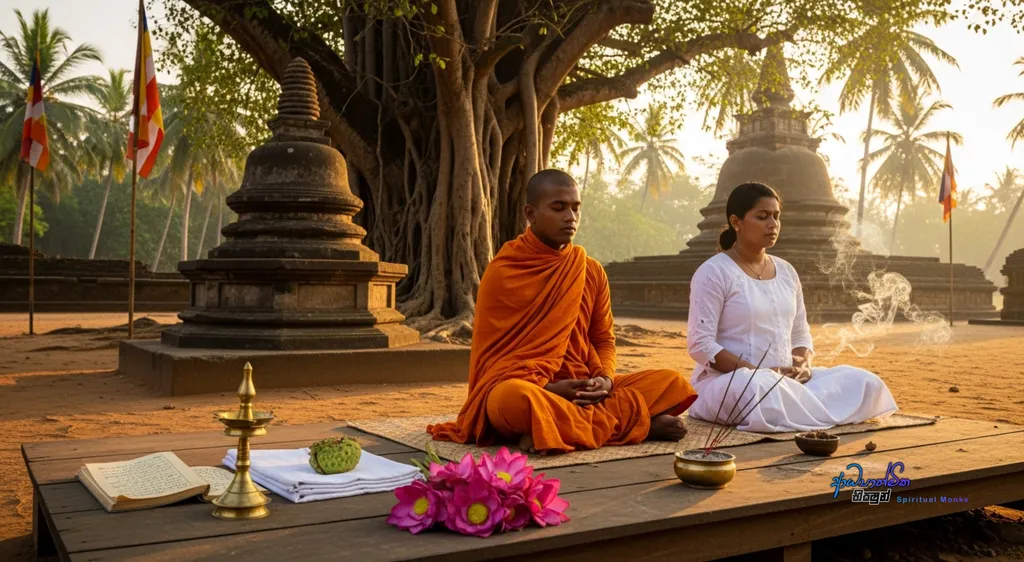
The Power of Effort (Viriya) Across Lifetimes
So let us focus on these two factors: conviction (Saddhā) and effort (Viriya). If we cultivate great effort in this human life, even if we do not attain the final result, that effort will not be in vain. If we are reborn as a human again, the hard work you do in this life will become a cause for you to quickly gain results when you inevitably return to the meditation practice in that future life.
Therefore, remember this: no matter how busy you are, your busyness is irrelevant to death. The bringer of death (Māra) does not care about your duties or responsibilities. When it is your time to go, you must go. It could be a car accident, a natural disaster, or an act of violence by a person or a group.
We cannot predict it. Death can come from any direction. Understanding this, set aside some time in your life every single day to cultivate these qualities. Make the effort. The development of your mind is a benefit to you, and no one else. If one day you complete this path, the only way you can help another is by showing them the way you traveled. The more you apply this teaching practically, the more subtly you will understand its truth, and this will ripen your wisdom.
Rekindling Your Energy When You Feel Like Quitting
As we travel this path, our effort can wane. It is precisely at these moments, when our energy drops, that we need the conviction (Saddhā) we spoke of. It is through that conviction that your capacity for effort begins to grow again. It will not increase otherwise. We must understand this.
I have also mentioned before that if you have received even a small result from your meditation practice, reflect on it. This too will increase your effort and motivation. You will become more enthusiastic, wanting to meditate more and for longer periods.
These are the qualities we must cultivate within ourselves as we walk this path. To strengthen your conviction, you can read or listen to the stories of the enlightened ones (Arahants) and how they strove to attain liberation (Nibbāna). There are many articles, books, and talks available online from venerable monks.
Listening to these will further increase your faith and inspire you to strive. To do anything, we need empowering ideas. When we hear about, learn about, or see people who embody these powerful qualities, our own resolve deepens. This is another point to understand.

The Five Spiritual Powers: Your Toolkit for the Journey
These two principles, conviction (Saddhā) and effort (Viriya), become clearer when mindfulness (Sati) is present. If you look at the Five Spiritual Powers (Pañca Bala), a part of the 37 Factors of Awakening, you will see that the very first one is trust or conviction (Saddhā). This tells us that to do anything, we must have confidence. Just as you trust in your endeavors in worldly life, you should place an even stronger trust here, whether it succeeds or fails, that trust is what propels you along the path.
And when a path is laid out systematically and practically, with the results clearly explained, as we strive to do in these teachings, there is no need for doubt. We have explained everything so simply that anyone can understand. With this trust, your effort (Viriya) will grow. By repeatedly reflecting on these things, your effort will increase even more, and you will be able to travel the path with great ease.

The Hidden Fruit: Discovering Equanimity and Joy Without Expectation
When you have this foundation, something remarkable happens: you stop expecting instant results. Spiritual expectations no longer arise in you. You can then carry the Five Powers in a balanced way, leading to a kind of pure joy (nirāmisa sukha). In worldly life, you feel happy when you get what you hoped for. But you have likely never known the happiness that comes from expecting nothing. That is the joy that is generated on this path. You must be wise enough to cultivate it.
The most challenging part of the meditation practice is continuing when no results are apparent. If you can cultivate patience, as I mentioned earlier, and develop equanimity (Upekkhā) or a middle way, your mindfulness will strengthen. This quality of equanimity, the Middle Path taught by the Buddha, is the primary quality that grows through insight meditation. It develops systematically.
This growth is a direct result of persevering through the hardest part of meditation. Most people don’t recognize this result. They are looking for lights, sensations in the forehead, or other tangible signs they can see or feel. But this subtle quality of inner balance and non-reactivity is what is truly being built. And this patience and equanimity will be of immense help in dealing with the ups and downs of your worldly life, helping you navigate challenges with grace and success.

A Tool for Self-Inquiry: What to Do When You Want to Give Up
Let me share another practical tip. If you ever feel that your meditation practice has become a burden, the moment that thought arises, turn your attention inward. With mindfulness, with clear awareness, begin to investigate: “Why am I feeling this aversion? Why have I grown tired of my practice?”
As you inquire in this way, answers will arise from within you. ‘Ah, my mind’s leaning toward sensual pleasures is too strong.’ ‘My ethical conduct, perhaps my celibacy or the precept against sexual misconduct, is weakening.’ ‘My five precepts are not being kept.’ ‘My conviction has faded.’ ‘My effort has diminished.’
‘I have been chasing after worldly goals and neglecting my concentration.’ You will receive your own answers and identify your own shortcomings. This is called wise reflection (Yoniso Manasikāra). The answer may not come immediately, but if you reflect correctly, you will find the root cause. Most people don’t know this technique. By using it, you can identify and correct your own faults, which makes the journey much easier.
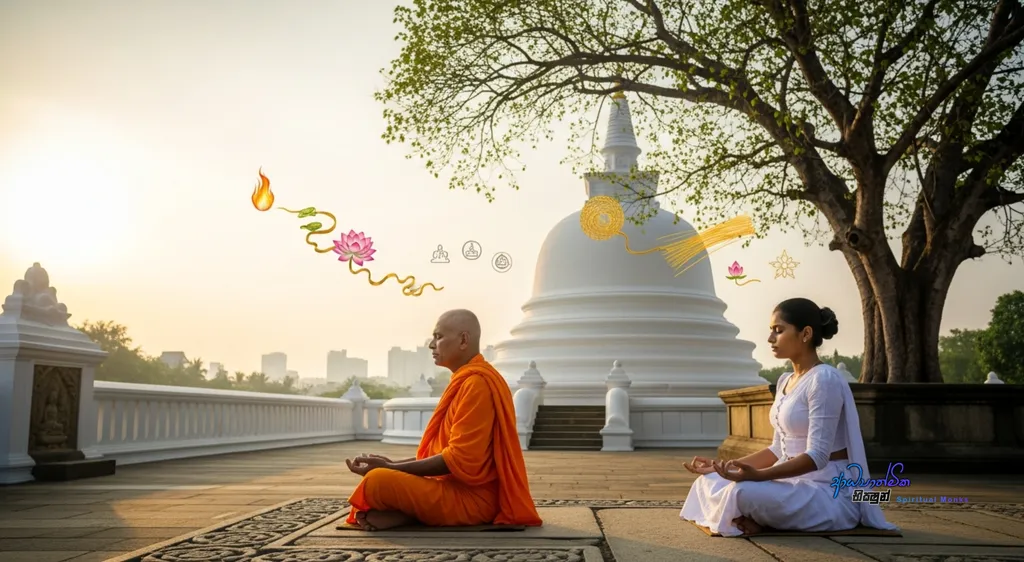
How to Balance the Five Spiritual Powers: A Practical Guide
Let’s put this all together practically. How can you tell if the Five Powers are balanced? Let’s start with conviction (Saddhā). If you find yourself overly attached to the devotional side of things, spending all your time on rituals with a focus on heavenly rewards or future pleasures, then you should understand that the faith needed for the path of practice has weakened. You can then take steps to re-balance it towards the path of liberation.
Effort (Viriya) is straightforward; if you are spending less time on your practice, the reason is clear.
Mindfulness (Sati) is the most important. If you notice that your daily mindfulness is decreasing, that you are more forgetful or absent-minded, you can see for yourself that it is out of balance.
Concentration (Samādhi): If your mind’s stability is less than before, fewer tangible feelings of focus, more thoughts, less one-pointedness, then understand that the first three powers (Saddha, Viriya, Sati) are unbalanced. One of them is lacking, and that is why your concentration has weakened.
Wisdom (Paññā): This is the intelligence that balances the other four. Think of it like driving a car. You know when the road is straight and you can increase speed. You know when to slow down for a curve. The decision you make in each moment to adjust your practice, this is wisdom in action.
It’s not something you just learn from a book; it is the faculty that operates in real-time, responding to the conditions of your mind. It has been active from the very beginning of your practice. This is how wisdom gradually develops. By understanding this, you can skillfully navigate your practice, balancing the Five Powers to overcome the most difficult parts of meditation.

The Journey Forward: Your Path, Your Effort, Your Liberation
You should now understand what the hardest part of a meditation practice is. In simple terms, it is to continue without stopping. This is the quality we must develop, whether we are Buddhist or from any other religion. This is the same quality that the great Bodhisattvas cultivate as they perfect their virtues (Pāramitā). It is what all who engage in meditation must foster. By doing so, we help ourselves.
The benefit is for us, not for anyone else. In this teaching, I have provided the necessary advice and tools as I always do. We will continue to provide more teachings on various topics in the future, all of which will be practical aids for your spiritual journey.
Today, I will conclude this teaching on the most difficult aspect of meditation. By the power of the Buddha, the Dhamma, and the Sangha, the Triple Gem, may you all grasp these points clearly and be able to move forward practically, with the Five Powers balanced in wisdom and understanding.

We invite you to walk this path with us. Read our teachings, and most importantly, apply them practically in your own life. as you practice, questions will naturally arise. Please feel free to share your experiences and questions in the comments below, via email or contact form. I will do my best to offer guidance in future talks based on your progress. For now, begin this practice with an open heart and a mind free from expectation. Cultivate it correctly, and may you find the clarity and peace you seek.
Thank you for joining us. We hope this blog will be of great benefit to your spiritual journey.
May you all be well and happy.
May the blessings of the Triple Gem be with you all!.


