


Categories: Can Meditation Drive You Mad?
May the blessings of the Triple Gem be with you all!
In our shared spiritual exploration, we often encounter unexpected turns on the path. Today, I wish to discuss a specific physical sensation that you might experience, particularly when you miss a day of meditation. Some of you may have already felt this, while for others, it may be an unfamiliar concept. It is the experience of a physical discomfort, like a headache from not meditating, that arises when your regular practice is interrupted.
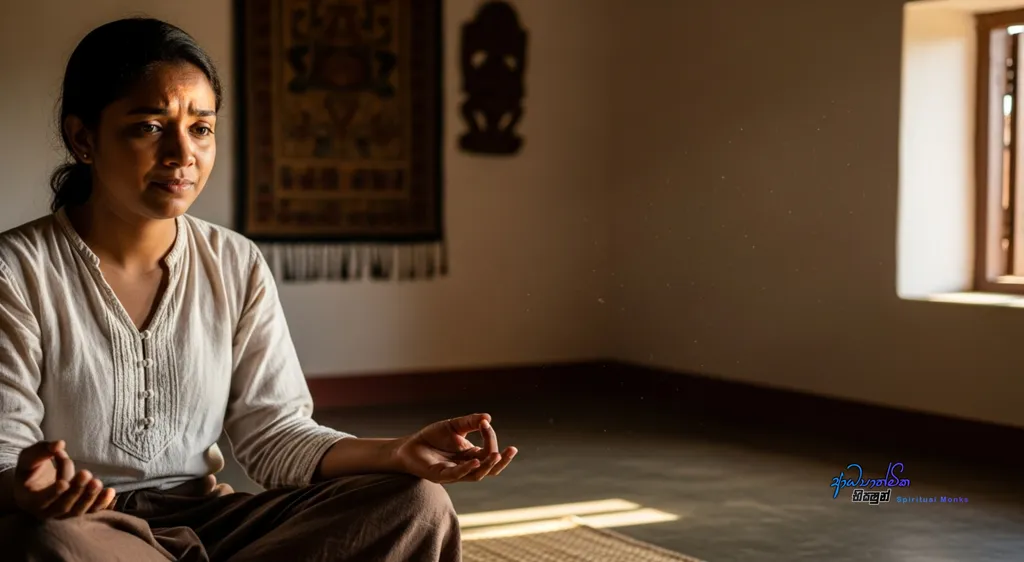
The Foundation: Building a Consistent Practice
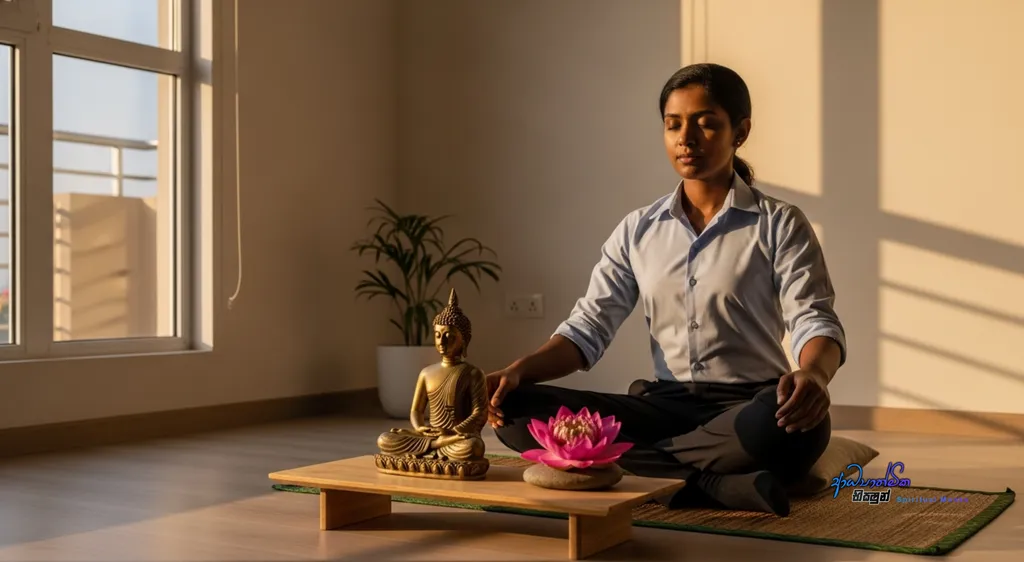
As we develop our spiritual lives, many of us adopt a consistent meditation posture. This is often the seated, cross-legged position known in the Buddhist tradition as Baddha Pariyankaya. You may sit this way for your formal practice, perhaps dedicating time in the very early morning, around 4 or 5 a.m., and again at night before sleep. You might also set aside another period during the day specifically for meditation.
When you continue this practice for several days, which turn into several months, and eventually a year or more, your body and mind become deeply accustomed to this routine. A profound conditioning takes place.

When Practice is Missed: The Body’s Signal
Life is busy. There will be days when, due to work, family, or other obligations, you might miss your scheduled meditation. For a regular practitioner, this absence is felt keenly, as if a vital part of the day has been omitted. But it can be more than just a mental feeling.
If you have come to rely on meditation as the primary way to release the day’s stress, a core teaching we often explore, then missing a session leaves that pressure unresolved. This can manifest physically. You might feel a dull ache in your head, a sense of heaviness, or a distinct pressure at the crown of your head. This physical symptom, this headache from not meditating, is a direct result of breaking your established routine.

Why Does This Happen? A Deep Mind-Body Connection
The reason for this is that your mind, brain, and entire nervous system have adapted. They are configured to enter that state of meditative calm at a specific time. When you don’t follow through, the nervous system sends a message. That feeling of head pressure is a signal, a request from your body and mind: ‘It is time to meditate. It is time to find that mental freedom.’
Once you become deeply accustomed to the unique rest that meditation provides, even a full night’s sleep cannot replicate it. The mental release is different. So, if your routine involves meditating for an hour, forty-five minutes, or even just twenty minutes before bed, that time becomes essential for your well-being. Similarly, if you miss your morning session, you might feel that heaviness or tightness in your head as you go about your morning. The root cause is the same: you are experiencing a headache from not meditating.
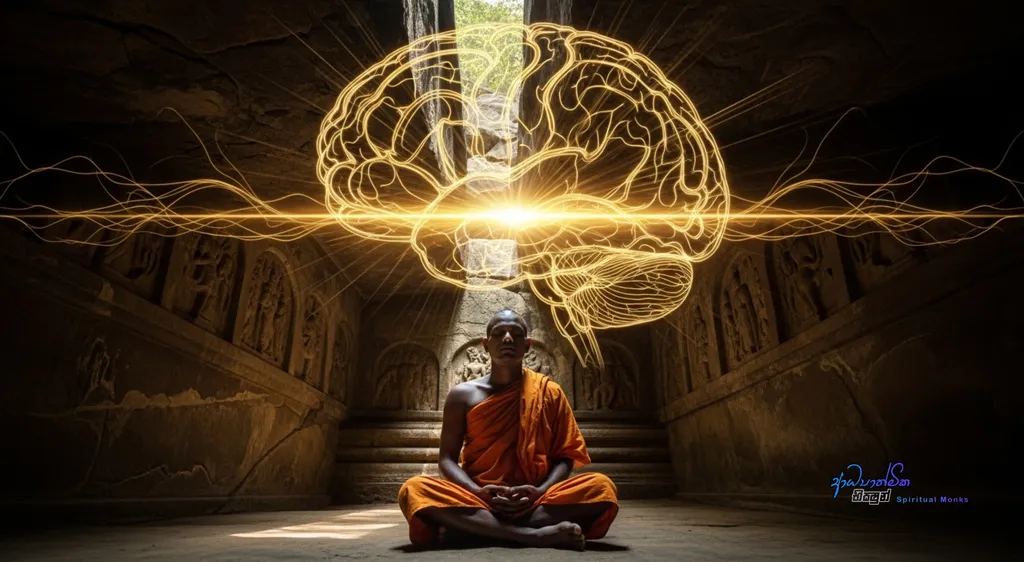
A Practical Guide: What to Do When the Sensation Arises
So, what should you do when this happens? The moment you feel that pressure, you can understand, ‘This is happening because I missed my meditation.’ The first step is recognition.
If your schedule allows, find a moment later in the day to complete your practice. If that’s not possible, you may have to patiently endure the discomfort until you are free from your duties in the evening. It is crucial to understand that this is a natural process, not a disease. Some people might mistakenly reach for a painkiller, thinking it’s a regular headache. This awareness is why I am sharing this teaching, to help you recognize the cause and respond wisely.
Many have already identified this pattern and learned to manage it, while others have sought guidance and found this explanation helpful. It is not a serious illness or a reason to form a wrong view about the practice. Your body is simply responding to the absence of a deeply ingrained, healthy habit.
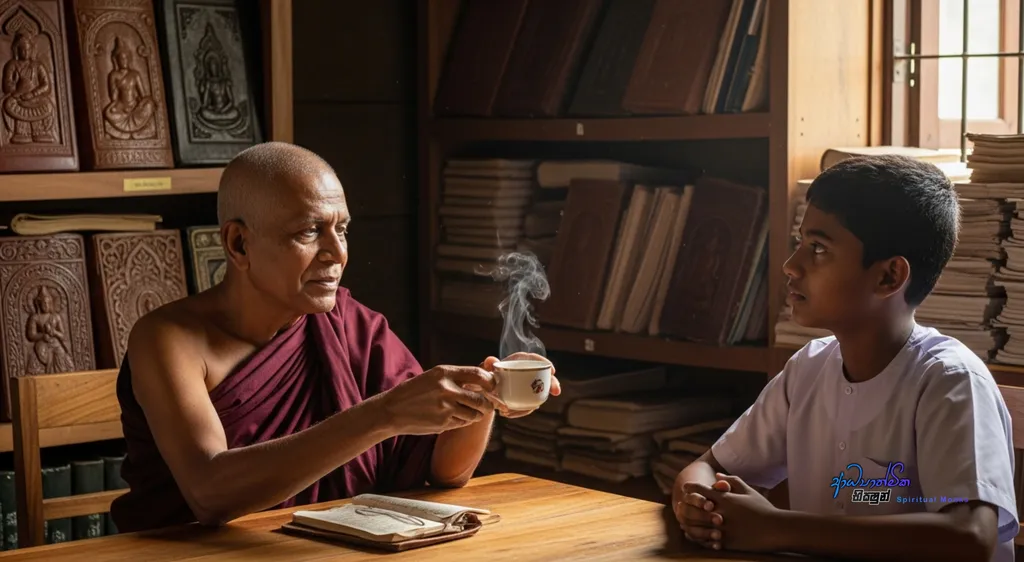
An Everyday Analogy: Training the Body’s Rhythms
This phenomenon is similar to other habits in our lives. When we accustom ourselves to something, its absence creates a noticeable effect. For instance, in Sri Lanka, many people are used to having a cup of milk tea every morning. If they miss it, their body feels the lack. Likewise, if you always eat your breakfast at 8 a.m., your stomach will begin to protest with hunger pangs or discomfort if you skip that meal.
Meditation is no different. It becomes nourishment for the mind. When your brain doesn’t receive its scheduled ‘meal’ of tranquility, it signals its need through that feeling of tightness or pressure. Remembering this simple analogy can help demystify the experience of getting a headache from not meditating.

Samatha vs. Vipassanā: Two Paths, Different Experiences
Now, a newcomer listening to this might think, ‘Getting a headache for not meditating? That sounds strange!’ It’s important to clarify that this experience is often more pronounced for those who practice Samatha meditation, which focuses on developing tranquility and concentration.
A person practicing only Samatha typically uses their formal sitting sessions (morning or evening) as the primary time to release mental pressure. Therefore, missing a session means the pressure builds up. However, for someone who also practices Vipassanā (insight meditation), or what is known as the Four Foundations of Mindfulness (Satipaṭṭhāna), the experience can be different.
The path of mindfulness, as taught in these lessons, encourages you to maintain awareness throughout the day. This continuous practice builds a foundational mental strength. So, even if you miss a formal Samatha session, your ongoing mindfulness practice can help manage and reduce the mental pressure, making the physical symptoms like a headache from not meditating less likely or less intense.
A Call to Practice: Integrating Meditation into a Busy Life
This experience is common for long-term practitioners. I encourage you to maintain your practice and not let it slip away, no matter how busy you are. As I always say, your work and your problems will not end until the day of your death. Therefore, you must become skillful. Be determined to find time for your meditation, whether in the morning or evening. Try for twice a day, but if that’s impossible, commit to at least one session.
This commitment is the key to ensuring your spiritual development continues. Understanding these dynamics will allow you to walk the path correctly.
Furthermore, this practice isn’t just for seasoned meditators. A student feeling immense pressure from studying can use meditation to relieve the mental strain. Anyone feeling overwhelmed by work duties and daily problems can also apply these techniques.
If you suffer from stress-induced headaches or that familiar feeling of head pressure, this practice can offer a way to find relief. We will explore more methods for reducing pressure in another teaching, but for today, the main goal was to answer the question: ‘Do you feel a kind of headache from not meditating?’
I hope this brief explanation has brought you clarity.
Final Blessing
By the power and blessings of the Buddha, the Dhamma, and the Sangha, the Triple Gem, may you all gain the wisdom to understand these matters clearly and continue your practice with strength and confidence, just as you always have.

We invite you to walk this path with us. Read our teachings, and most importantly, apply them practically in your own life. as you practice, questions will naturally arise. Please feel free to share your experiences and questions in the comments below, via email or contact form. I will do my best to offer guidance in future talks based on your progress. For now, begin this practice with an open heart and a mind free from expectation. Cultivate it correctly, and may you find the clarity and peace you seek.
Thank you for joining us. We hope this blog will be of great benefit to your spiritual journey.
May you all be well and happy.
May the blessings of the Triple Gem be with you all!.


