


Categories: Non-human Problems
May the blessings of the Triple Gem be with you all!
Today, through our spiritual teachings, I wish to address a common and pressing question many of you have asked: how do we deal with problems related to unseen beings, or troubles arising from the invisible world? Many people call us, concerned about these issues, and seek a solution rooted in the Buddha’s teachings.
In this article, I will provide a comprehensive answer based on the Dhamma, the teachings of the Buddha and our own practical experience and investigations. The methods we will discuss have been tested and have yielded clear results. This teaching might be lengthy, so I encourage you to read it in its entirety, reflect deeply on the points made, and then decide for yourself if you wish to put them into practice.
We receive many calls and messages about these disturbances, and what follows is a compassionate response for everyone’s benefit. Before detailing the solution, which consists of four key practices, let’s first explore the types of problems people commonly face.
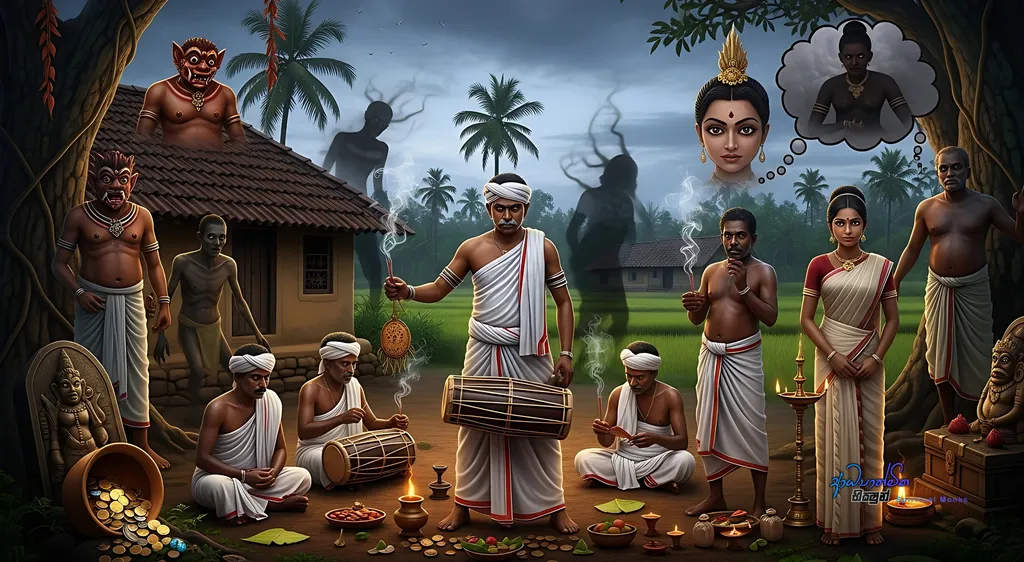
Common Problems Attributed to Unseen Beings
People from all walks of life, both Buddhists and those of other faiths, from Sri Lanka and abroad, contact us with a wide range of distressing experiences. These are some of the most common issues they report:
- Sorcery and Curses (Kodivina): This is the most frequent complaint. People feel that a neighbor, a relative, or even someone in another country has used sorcery, black magic, or curses (known as Kodivina, Anavina, or Hadi Hūniyam) against them, often with the help of ritual specialists or certain shrines.
- Hungry Ghosts (Preta): Many report a feeling of a ghostly presence in their home. They might be told by a shaman or through a form of scrying (Anjanam) that spirits of the dead, known in Buddhism as Pretas, are lingering. Some experience foul smells or have even seen these beings.
- Demonic Beings (Yakkha): Others speak of encounters with demonic entities, or Yakkhas. They describe seeing frightening figures, some short and stout, others with large, protruding teeth, that cause immense fear. Some even experience possession, where a Yakkha seems to take over their body.
- Unexplained Illnesses: Many suffer from chronic conditions like non-healing wounds, cancer, persistent fevers, fainting spells, dizziness, vomiting, and diarrhea. They report having tried Western medicine and visited various shrines without finding any relief, suffering for years.
- Trouble from Treasure Guardians (Bahiravayo): Some people get into trouble by trying to unearth buried treasure. In Buddhist cosmology, treasures may be protected by guardian spirits called Bahiravayo. If you are not karmically entitled to that wealth, these beings can cause illness, financial ruin, and other calamities. They can make it so that no matter how much you earn, the money disappears almost overnight.
- The Gaze of Kalu Kumara: This issue predominantly affects women. The Kalu Kumara is described as a type of sensual spirit, a being from the unseen world who is drawn to lustful energy. He often tries to form a bond with young women, particularly as they enter puberty, leading to various disturbances.
- Lustful Spirits (Kāma Preta): Similarly, men who have excessive lust can attract what are known as Kāma Pretas. These unseen beings feed on the thoughts and energies produced by lust, and can even influence a person to engage in sensual acts more frequently.
- The Influence of Mahasona: People also report problems attributed to another powerful entity known as Mahasona, believing they are under his negative influence.
- Attacks from Shrines (Devalas): Some individuals feel they are being repeatedly targeted with curses by practitioners at certain shrines who are testing their magical powers.
- Inability to Worship the Buddha: A very telling sign is when someone finds they cannot approach a Buddha statue or light a lamp for the Buddha. They may start trembling, sweating, or feel an aversion. This indicates a significant spiritual problem, as an unseen negative entity within or around them cannot bear the presence of the Supreme Buddha’s purity.
These are just a few examples of the struggles people face. We have personally guided many individuals who, by following the advice we will share, have found complete freedom from these issues. The methods I am about to explain can help you overcome these challenges entirely.

Do Unseen Beings Truly Exist? The Buddhist Perspective
A common modern view is to dismiss these experiences and claim that unseen beings do not exist. Let’s address this from a Buddhist perspective. For those who are skeptical, I recommend reading the Dhammapada commentary, specifically the story of Prince Āyu.
In this story, a prince was under threat from a powerful demonic entity, a Yakkha, who intended to devour him. The Buddha intervened to save the prince.
How?
He and the congregation of monks chanted the Ratana Sutta (the Jewel Discourse) continuously for seven days. This powerful spiritual protection dispelled the negative influence of the unseen being. The prince’s life, which was short due to a past unwholesome action (an akusala kamma), was extended, and he was renamed Dīghāyu, meaning ‘long-lived.’ This story clearly illustrates the existence of such beings and the power of the Dhamma to protect us.
Furthermore, the very reason we seek liberation, or Nibbāna, is because of the suffering (Dukkha) of this cycle of birth and death, known as Saṃsāra. This cycle includes 31 planes of existence.
These are not just the human world, the six heavenly realms, and the twenty Brahma worlds. They also include the four lower realms of suffering (the Satarāpāya): the hell realm (Niraya), the animal realm (Tiracchāna Yoni), the realm of titans (Asura), and the realm of hungry ghosts (Preta Loka).
Who are these Pretas?
They are unseen beings. They are beings who, due to their past unwholesome actions (kamma), have been reborn into a state of suffering. Some of them torment humans, while others are simply visible to those with the capacity to see them.
People often confuse the term ‘ghost’ (holman), which some interpret as a ‘wavering mind’ (hellena manasa), with the reality of unseen beings (amanussa). These are not mere figments of imagination. They are former human beings, just like us, reborn according to their deeds.
If these realms of suffering and these unseen beings didn’t exist, there would be no urgent need to seek Nibbāna. The suffering of Saṃsāra isn’t just mental sadness; it’s the endless, painful journey through these different planes, sometimes born in heaven, sometimes in hell, sometimes as an unseen being.
To deny their existence is to adopt an extreme view and misunderstand a fundamental aspect of the Buddha’s teaching on suffering. The venerable Rerukāne Chandavimala Mahā Nāyaka Thero explains these realms clearly in his book on the Four Noble Truths. To fall into the view that ‘there are no unseen beings‘ is to lean towards a wrong view (micchā diṭṭhi), as it undermines the very reason we strive to end the cycle of rebirth.
Modern-Day Experiences and Healing
Our guidance is not just theoretical; it’s based on many real-world cases. While there are too many to share in detail, here are a few brief examples to give you an understanding.
I recall a woman who came to us with a small wound on her leg from a hoe while she was gardening. For over a year, this wound would not heal. She had spent nearly five hundred thousand rupees on Western medical treatments, including expensive medications, but nothing worked. When we looked into her situation, it was revealed that her deceased grandmother, reborn as an unseen being, was attached to her and was preventing the wound from healing, trying to pull her into that same world of suffering. We instructed her in the four-fold practice I will detail below, along with specific meditations. Today, her wound is completely healed.
We have spoken to people who have suffered for 30 or 40 years, some since the day they were born, with a combination of illnesses and problems caused by unseen beings. We have also helped people living abroad. In some cases, foreigners who have died have been reborn as Yakkhas, attached to their former homes.
These beings have no understanding of the Dhamma, of attachment and aversion. By explaining the teachings and performing these practices, we have helped liberate these homes from their influence.
In another case, a person was suffering from cancer that was caused by an unseen being. By diligently following these practices, their cancer disappeared. These are just a few of the many instances we have witnessed where these spiritual remedies have brought profound healing.
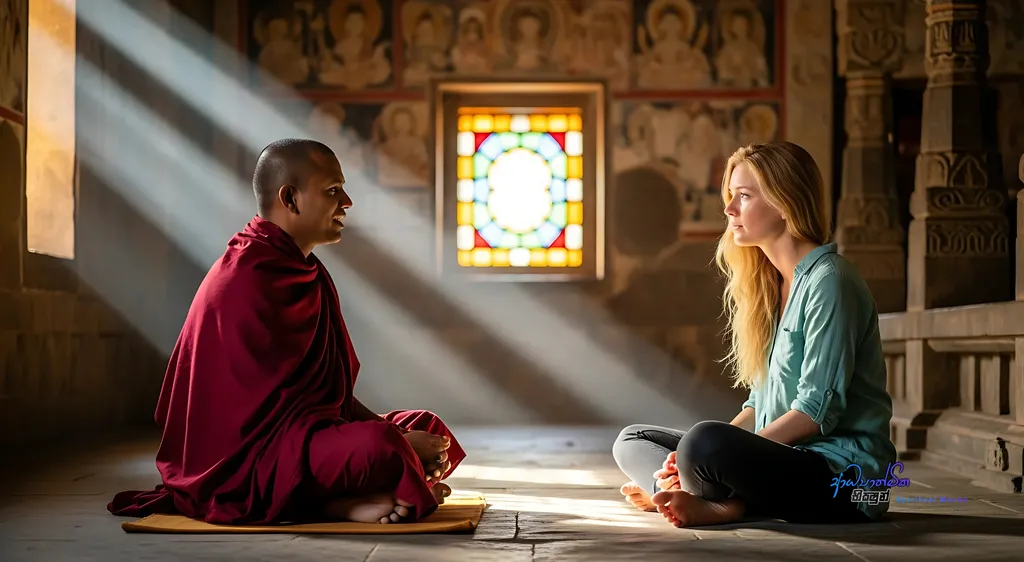
The Law of Kamma: How Unseen Beings are Created
Why are people reborn as these suffering unseen beings?
The answer lies in the law of intentional action, or Kamma. If you read the Petavatthu Aṭṭhakathā (the commentary on the ‘Stories of the Hungry Ghosts’) in the Buddhist canon, you will find that many were reborn as Pretas due to excessive greed and selfishness. These texts, part of the Tripitaka, are available for you to read and understand.
The primary causes for such unfortunate rebirths are:
- Breaking the Five Precepts: Failing to uphold the five basic ethical guidelines (abstaining from killing, stealing, sexual misconduct, lying, and intoxicants) leads directly to the lower realms.
- Lack of Restraint: When one’s mind, body, and speech are unrestrained, unwholesome actions are inevitable, leading to rebirth in states like the amanussa realm. The Buddha taught in the Nakhasikha Sutta that the number of beings reborn in higher states is as small as the amount of dirt on his fingernail, compared to the vast number reborn in suffering, which is like all the earth.
Let’s consider some specific examples.
A person who engages in murder or the slaughter of animals accumulates heavy negative kamma. They are very likely to be reborn in a hell realm, or as a fierce Yakkha or a suffering Preta. Their actions must bear fruit, sometimes even as physical deformities in a future life.
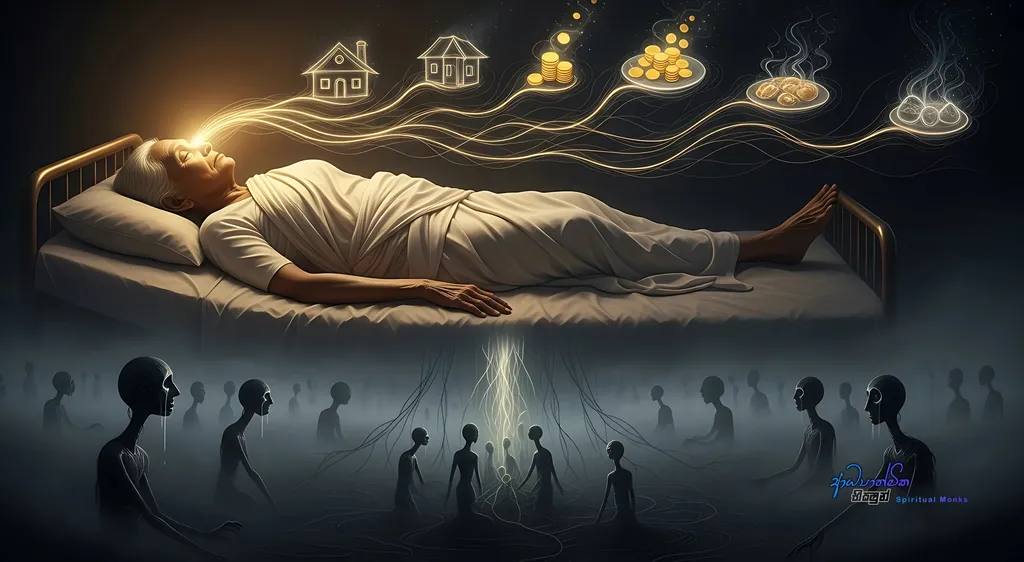
Attachment at the moment of death is also a powerful factor. The final thought-moment, known as the cuti citta, determines the next rebirth. If someone dies with intense craving for a particular food, like a jackfruit dish, they can be reborn as a Preta haunting that very jackfruit tree. This is the power of attachment.
Similarly, if someone dies craving meat, they can be reborn as a flesh-eating Yakkha, drawn to places where meat is sold. This is why some possessed individuals cry out for specific offerings, they are expressing the cravings that bound them to their suffering state.
If someone dies with intense attachment to their children or their property, they may be reborn as a treasure-guarding Bahiravaya on their own land, or even as a louse in their child’s hair. It is all due to this clinging.
This is why the Buddha stressed the importance of restraining all three doors of action: the mind, the body, and the speech. By doing so, you protect yourself from falling into these weak and sorrowful states of existence.
The Four-Fold Path to Spiritual Protection: A Practical Guide
Now that we have an understanding of the context, I will explain the four-fold practice to overcome these issues. If you have such problems, following these steps with diligence and faith will bring you a 100% certain result. Your problems will be resolved. I will now present these four practices in order.
Step 1: The Shield of Sacred Chanting (Paritta)
The first practice is the daily chanting of protective discourses, known as Paritta Sajjhāyanā. I have mentioned this before in teachings on meditation, and it is the foundation of this method.
If you are facing problems with unseen beings, it is essential to do this in the morning and evening. If you are extremely busy, once a day is the minimum. For those at home, make your morning offering to the Buddha (Buddha Pūjā) and then chant the recommended Paritta. In the afternoon, the offering alone is sufficient. In the evening, after making an offering of drinks (gilānpasa), perform the chanting again.
For those with demanding jobs, you can do this early in the morning before work, or in the evening when you return, no matter how late. You must manage your time if you are serious about resolving your problems. The commitment must come from you.
Remember the proper times for offerings: solid food offerings (dāna) are made from sunrise until noon. Liquid refreshments (gilānpasa) can be offered at any time. Being mindful of these details is part of the practice. This first step is non-negotiable for resolving these issues.
Step 2: The Armor of Loving-Kindness (Mettā Bhāvanā)
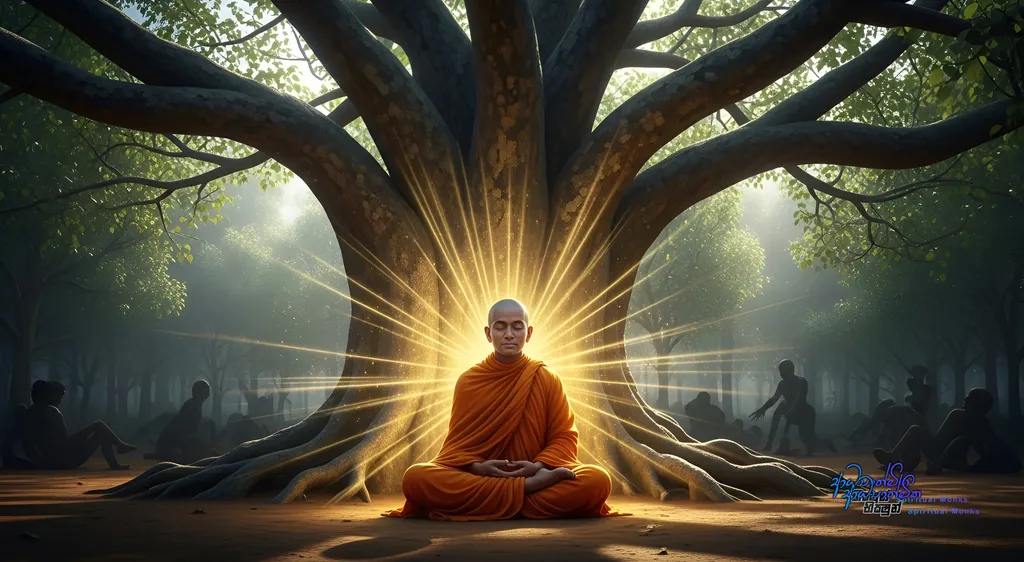
The second practice is the cultivation of loving-kindness, or Mettā Bhāvanā. This is something you must do for at least half an hour every day. No matter how busy you are, you must find the time either early in the morning or before you sleep at night. Your dedication is key to solving your problems.
Here is how to practice it.
- Sit in a comfortable posture, whether cross-legged on the floor or on a chair if that is easier for you. Close your eyes and direct your mind to the ten directions.
- The Ten Directions: Start by focusing on the North. For three to five minutes, mentally repeat these phrases, sending these thoughts out with focused energy: ‘May all beings in the Northern direction be free from hatred. May they be free from anger. May they be free from jealousy. May they live in well-being. May they be free from suffering. May they be healthy. May they be happy. May they attain Nibbāna.’
- Next, do the same for the West, then the East, and then the South.
- Continue with the four intermediate directions: North-West, North-East, South-East, and South-West.
- Then, focus on the direction Above, encompassing all beings in the celestial realms, the deva and brahma worlds, and throughout the universe, and radiate Mettā to them.
- Next, focus on the direction Below, sending thoughts of loving-kindness to all beings in the lower realms.
- Finally, encompass all ten directions at once. For another three to five minutes, radiate these thoughts to all beings everywhere without exception.
This entire practice will take about 30 minutes.
The Buddha taught that there are eleven benefits to practicing Mettā, which you can read about in the Metta Sutta or the Mettānisamsa Sutta in the book of chants (Pirit Potha). This practice is absolutely essential. By doing these first two practices, you build a powerful spiritual foundation.

Step 3: Invoking Divine Protection with the Āṭānāṭiya Sutta
The third practice involves a specific section of the Āṭānāṭiya Sutta. There is a lot of misinformation about this discourse. Some chanters wrongly claim that the first part of the sutta ‘summons’ demons and the second part ‘banishes’ them. This is foolish talk from people who have not studied the meaning. Please be wise and read the translation for yourself.
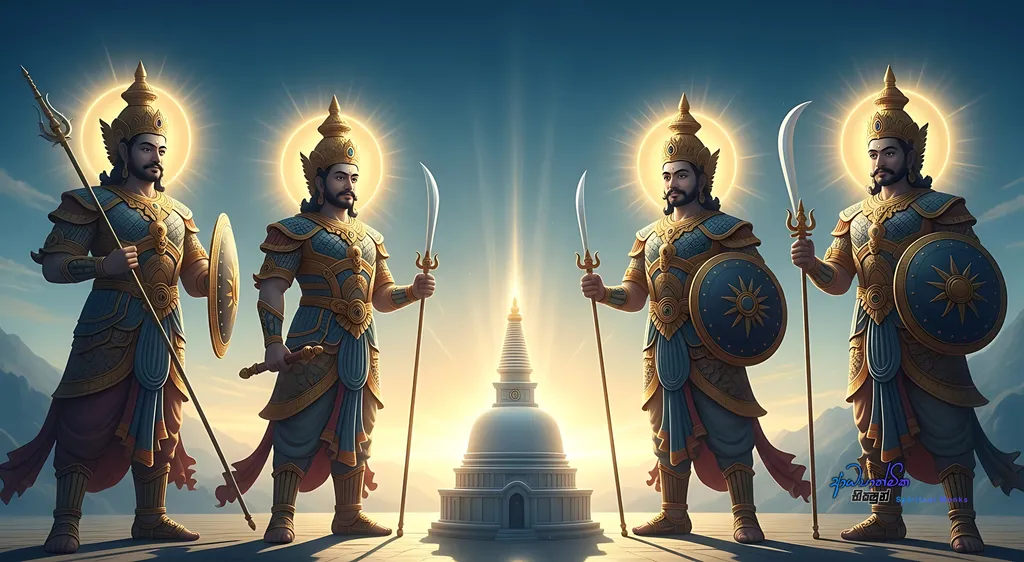
The truth is this: In the sutta, the Four Great Kings (the guardian deities of the four quarters) and their chief attendants leaders of the Yakkhas, Nāgas, Kumbhāṇḍas, and Gandhabbas came before the Buddha. They made a promise: if any of the Buddha’s followers who uphold the precepts are troubled by unruly unseen beings, the follower should call out their names.
Upon hearing their names, these divine chiefs will come, apprehend the troublemaking entity, and take it to their celestial prisons for punishment. The first sutta recounts the chiefs making this promise to the Buddha. The second sutta is simply the Buddha relaying this event to the monks. There is no ‘summoning’ or ‘banishing.’
You do not need to recite the entire sutta. Here is what you must do:
- After you have completed your daily chanting (Step 1), and after dedicating the merits, you must do the following. First, state your problem aloud and clearly. For example: ‘I have a problem with a Yakkha in my home. I am being disturbed and afflicted by unseen beings who cause me illness and distress.‘ Say whatever your specific issue is in your own words.
- Then, you must loudly recite the following 39 names of the divine chiefs who have taken refuge in the Triple Gem. Recite this list three times in the morning after your chanting, and three times in the evening after your chanting.
Here are the names:
Indo, Somo, Varuṇo ca, Bhāradvājo Pajāpatī, Candano, Kāmasettho ca, Kinnughaṇḍu, Nighaṇḍu ca, Panādo, Opamañño ca, Devasūto ca Mātali, Cittaseno ca Gandhabbo, Naḷorājā Janesabho, Sātāgiro Hemavato, Puṇṇako Karatiyo Gulo, Sīvako Mucalindo ca, Vessāmitto Yugandharo, Gopālo Suppagedho ca, Hirinettī ca Mandiyo, Pañcālacaṇḍo Āḷavako, Pajunno Sumano Sumukho Dadīmukho, Maṇi Mānīcaro Dīgho, atho Serissako saha.
By doing this consistently while upholding the Five Precepts and the first two practices, your problems will be resolved. This is a 100% practical and proven method.
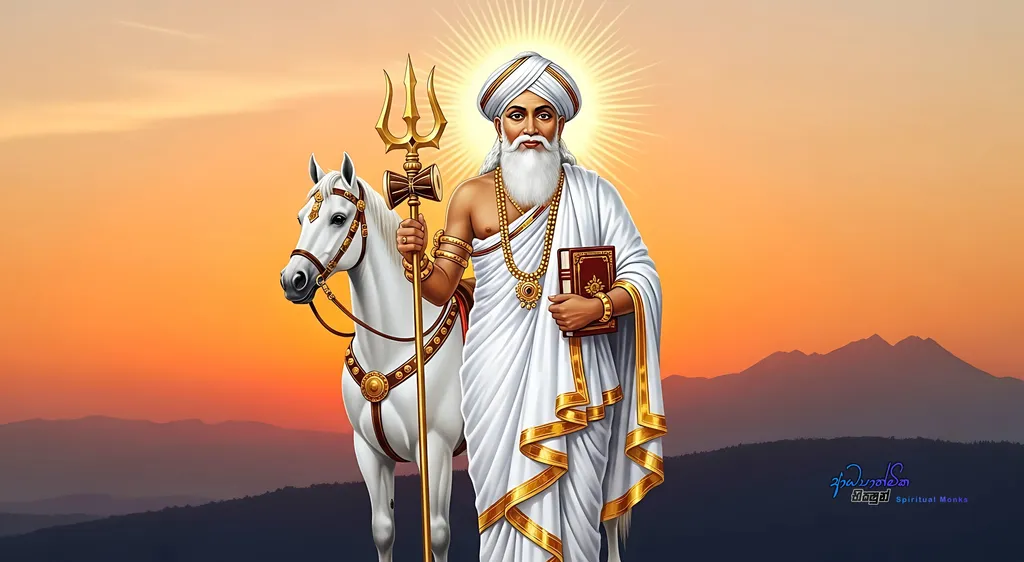
Step 4: Making a Vow to the Guardian Deity Sūniyam Deviyo
The fourth and final practice is to make an offering and a vow to the deity known as Gambhāra Deviyo or Sūniyam Deviyo.
First, let’s clear up some misconceptions. People say you must light his lamp only at a specific time, like 9 PM. This is false. Others say he is a demon by day and a god by night. This is also a misunderstanding. Sūniyam Deviyo resides in a celestial realm.
The beings who carry out his work in the human realm are his retinue, which includes both subordinate devas and disciplined Yakkhas who wear his crest. It is these helpers who come to our aid.
Here is the correct procedure:
The Offering: You must have a picture or statue of Sūniyam Deviyo. Place it in a clean, respectful place, but always lower than your Buddha altar. One can never equate a deva with a Buddha. Offer a lamp, incense, and fragrant flowers like jasmine (picca mal). Keep your home clean, sprinkle turmeric water, and burn purifying incense daily.
The Vow (Bhāra): This is not about tying a coin. It is a formal plea called a kannalav kirīma. After your morning offerings and practices (Steps 1, 2, and 3), light the lamp for Sūniyam Deviyo. First, state your problem clearly.
For example: ‘Oh, Sūniyam Deviyo, I am being afflicted by this demonic being. Please resolve this problem for me.‘
Then, make a conditional promise. ‘If you help me and solve this problem, I vow, I commit, I dedicate myself to performing a meritorious act for the sake of the Gauthama Buddha’s Dispensation (Sāsana). I will donate [state a specific amount of money or a specific material item] to my village temple, a forest monastery, or a meditating monk.‘
The vow must be sincere and proportional to your means. If you are wealthy, promise a larger amount. If you are of average means, promise what you can afford. If you are poor, even a small amount given with sincerity is powerful. Be honest, for you cannot deceive these beings.
Conclude by saying, ‘When my problem is solved, with the joy and satisfaction from that relief, I will transfer the merits to you, Sūniyam Deviyo, and your entire retinue of devas, yakkhas, nāgas, and all who assist you.‘
You must repeat this entire plea, stating the problem and the vow every single day, morning and evening, after your other practices. This daily repetition is the true ‘kannalav kirīma.‘
Crucially, once your problem is solved, you MUST fulfill your vow. If you forget or neglect it, your problems could return even worse than before. This is a very serious commitment.
Navigating the Healing Journey: What to Expect
As you begin these four practices, you may experience certain phenomena. It is important to be prepared.
- Mental Resistance: The very moment you decide to start, you might feel lazy, discouraged, or that it’s too much work. This is the influence of the unseen beings. They will try to create aversion in your mind to stop you from even beginning. You must push through this with determination.
- Temporary Worsening of Problems: When you start the practices, things might briefly get worse. You might get a sudden fever or headache. Family arguments or financial troubles might flare up. This is the entity’s desperate attempt to sabotage your efforts and make you stop. Do not give in. These flare-ups are temporary and will pass.
- The Litmus Test for Illness: If you suddenly fall ill while practicing, immediately recite the Ratana Sutta at least seven times. If the illness is caused by an unseen being, it will subside almost instantly. If it does not, then it is a normal physical ailment, and you must see a doctor. Entities cannot sustain a magically-induced illness for long against these practices; their power typically lasts a day at most.
- Using Blessed Water and Thread: While chanting, keep two or three bottles of water in front of you to be blessed by the sound of your own voice. Also, have a ball of triple-twisted thread (tun sūtraye). Drink a small amount of this blessed water morning and evening, reciting the verse ‘Sabbītiyo vivajjantu…‘. Each week, tie a piece of the blessed thread on your wrist, reciting the verse ‘Sabbe Buddhā balappattā…‘ three times. Replace the old thread with a new one weekly.
- Specific Chants for Specific Problems: If you suspect you are under a spell or enchantment (vashī), after reciting the Ratana Sutta seven times, chant the Jalanandana Pirita 108 times. For severe problems with unseen beings, add the Ratana Sutta (7 times) to your regular daily chanting routine.
- Maintain a Pure Environment: Keep your house clean. Every morning and evening, sprinkle turmeric water and burn a purifying incense like sambrani.
- For the Bedridden: If you are too ill to get up, you can perform these practices from your bed. Do what you can, and ask for help from those around you. The protection will still reach you.
Final Guidance: Wisdom, Balance, and the Middle Path
To conclude, here is some crucial advice to ensure your success and safety on this path.
- Avoid Shrines and Fortune Tellers: While you are engaged in these four practices, do not visit any devalas (shrines for worldly help), psychics, or scryers. Your results will begin to appear within a few days, with significant changes noticeable within two to three months. The only places you should go are your local Buddhist temple, a forest monastery to see your meditation teacher, or sacred pilgrimage sites like the Temple of the Tooth or the sixteen holy sites (Solosmasthana).
- Continue Medical Treatment: If you have a physical illness, you must continue your medical care. See your doctor and take your prescribed medicine, whether it is Western or Ayurvedic. This spiritual practice cleanses the unseen obstacles that prevent medicine from working. It allows your body to finally receive the benefits of the treatment. Do not fall into the extreme view of abandoning medicine.
- Do Not Waste Money on Ritualists: Do not get caught by fake ritual specialists (kaṭṭaḍis) who demand large sums of money for elaborate rituals. This practice costs you nothing. You are not asked to fulfill your vow unless you get results. You empower yourself with your own chanting and your own practice. Tie your own protective thread and drink the water you blessed yourself.
- On Diet and Purity: Many ask if they must stop eating meat and fish. For this practice, your diet does not matter. If you eat meat, continue. If you don’t, that is also fine. It is not a barrier. Similarly, women often ask if they can practice during their menstrual cycle due to concepts of ritual impurity (kili). Yes, absolutely. These concepts do not apply to this practice. Practice without fear, every single day.
- Life After Healing: Once your problem is solved and you have fulfilled your vow, you have a choice. You can respectfully inform Sūniyam Deviyo that you will be discontinuing the daily lamp offering, thanking him for his help. However, the first two practices, chanting Paritta and cultivating Mettā, are beneficial for your entire life. They generate merit, bring mental peace, and support your spiritual development.
- The Ultimate Power of the Mind: Remember, the power of a concentrated mind (citta shakti) developed through meditation is supreme. It is greater than any sorcery in the world. When you are established in these practices, any curse sent to you will not only fail but will naturally return to the sender.
- The Middle Path: Finally, be moderate. Do not fall into the extreme of blaming every problem on unseen beings. Sometimes, an illness is just an illness. And some suffering is the result of our own past kamma, which even the Buddha himself had to experience (such as his headaches and back pain). At the same time, do not fall into the other extreme of denying the existence of unseen beings and the suffering realms, as this is a form of wrong view. Be wise. Walk the middle path. Practice diligently, listen to the Dhamma, and cultivate both tranquility (samatha) and insight (vipassanā). This is the path to resolving all your problems and finding true, lasting peace.
Do these practices from your home. Do them every day without fear. This is a complete solution that empowers you to solve your own problems practically. As you engage in these methods, you will begin to feel a sense of peace from the very first moment.
May any of you suffering from such issues find relief and resolution. May you be protected by the Triple Gem.
We invite you to walk this path with us. Read our teachings, and most importantly, apply them practically in your own life. as you practice, questions will naturally arise. Please feel free to share your experiences and questions in the comments below, via email or contact form. I will do my best to offer guidance in future talks based on your progress. For now, begin this practice with an open heart and a mind free from expectation. Cultivate it correctly, and may you find the clarity and peace you seek.
Thank you for joining us. We hope this blog will be of great benefit to your spiritual journey.
May you all be well and happy.
May the blessings of the Triple Gem be with you all!


