


Categories: Chakra Awakening: Practical Meditation
May the blessings of the Triple Gem be with you all!
Today, we will explore a practical meditation method for your spiritual development. This practice is a form of Samatha meditation, a technique for cultivating deep calm and concentration. You may have heard it described in various ways, such as Kundalini or Chakra meditation.
In previous discussions, we have explored how practices like Anapanasati (mindfulness of breathing) or the ‘Third Eye’ meditation can indirectly lead to the awakening of these energy centers. We explained that you don’t necessarily need to focus on each chakra individually, as a dedicated practice can awaken all seven.
However, we recognize that some may not have experienced this spontaneous awakening while advancing their spiritual practice. This article offers a direct method for those individuals. The goal here is not the awakening of chakras for its own sake, but the deepening of your overall spiritual cultivation. It is a guide to a profound Anahata Chakra awakening.
The Crucial Mindset: Practicing Without Craving
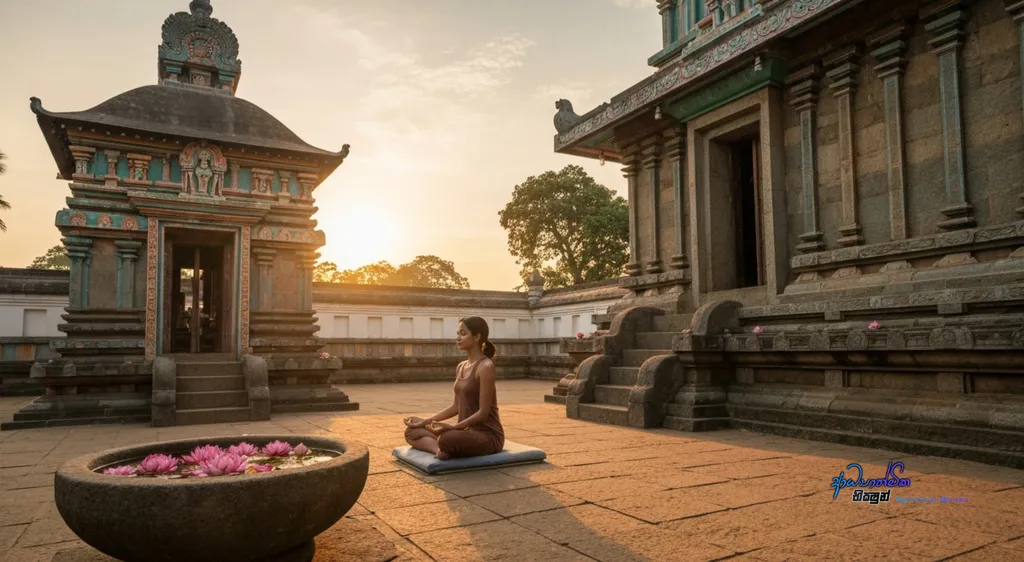
Before we begin, it is vital to check your motivation. If you approach this practice with a strong desire or craving, a thirst to awaken your chakras, to activate Kundalini, or to gain special experiences, you will find it difficult to succeed. Such thoughts become obstacles. Please, let go of these expectations. As we have taught from the beginning, true spiritual progress comes when we release attachment to outcomes. This principle is especially true for this heart chakra meditation.
This particular guidance is offered for those who have sincerely engaged in other Samatha meditation techniques, like the ‘Third Eye’ or ‘Brahma Loka’ practices, for a significant period, perhaps three to six months or even a year, without seeing the results they hoped for. This article, ‘Practical Chakra Awakening 01,’ is a new starting point on your journey of spiritual energy cultivation.
Navigating the Path: Wisdom Over Opinion
As you explore this practice, you may encounter ‘pundits’ or theorists who lack direct, practical experience. They might offer opinions and criticisms, saying, “This is not how you do chakra meditation; it must be done this way.” We have always advised you not to let the words of those without personal experience hinder your spiritual life. Similarly, it is essential to face any fear that arises during meditation. Do not open your eyes. Stay with the experience until it passes. Our previous teachings on overcoming fear in meditation can support you if this is a concern. Rest assured, this method will not produce any harmful results.
It is also important to understand the context of this practice. This is a Samatha, or tranquility, meditation. You will not find this specific technique detailed in the Tripitaka (the Pali Buddhist canon) or its commentaries. It originates from the deep practical wisdom of ancient sages (rishis). While the ultimate goal of the Buddha’s path is Nibbana (liberation), the Buddha never dismissed skillful methods for developing a calm and concentrated mind. This is one such method.
Beginning with the Heart: The Anahata Chakra
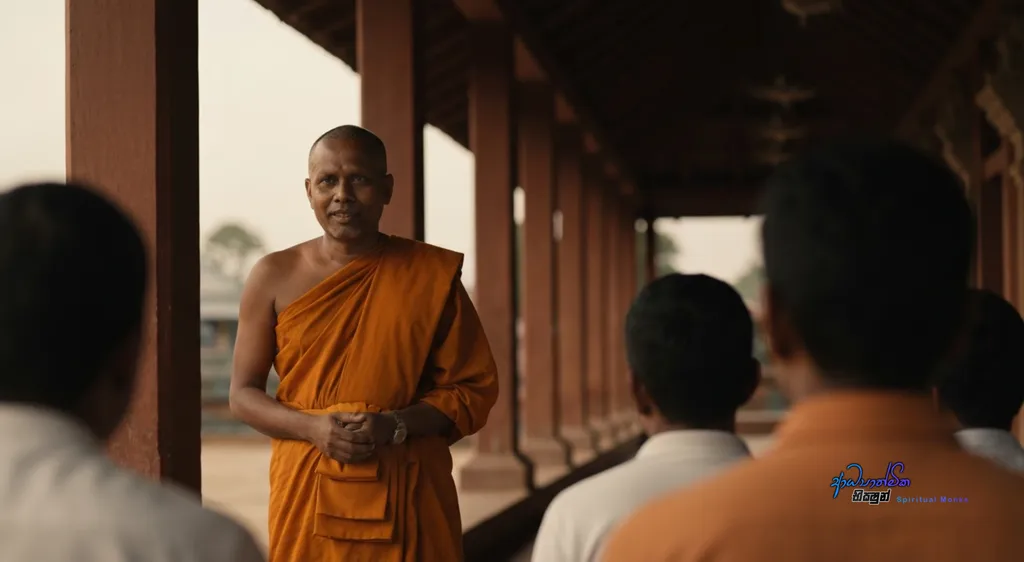
Our journey begins with the Anahata chakra, the energy center located in the area of your heart. There is no strict rule that one must start with the root chakra, the Muladhara. For example, our ‘Third Eye’ meditation begins with the Ajna chakra. The energy, sometimes called Kundalini, can awaken from the top down as well as from the bottom up. Once you begin, the entire system will eventually be stirred, and you will start to feel the activation at the base of your spine. For now, our focus is the heart.
Please do not be swayed by comments or outside opinions from those without experience. Trust in the practical guidance that has been consistently shared through our spiritual teachings. We share from our own direct experience, and many have found results by following these practical steps. Whether you experience results quickly or slowly depends on many factors. The key is to engage in the training without creating unnecessary expectations. Continuous practice is what matters most.
How to Practice: A Step-by-Step Guide
To begin your heart chakra meditation, follow these steps:
1. Preparation: Find a quiet place, indoors or outdoors, where you will not be disturbed. Wear loose, comfortable clothing. Perform your usual preliminary practices, such as paying homage or practicing loving-kindness (Metta) meditation.
2. Posture: Sit with your spine erect. The cross-legged posture is ideal for both men and women. If you have physical limitations, such as being unable to bend your legs, you may sit on a chair, in a wheelchair, or even on a bed. The posture should support stillness and alertness.
3. Focus on the Heart Center: After settling into your posture, bring your mind, your consciousness, to the area of your chest. You know where your heart is; you can feel its beat. If it helps, you can briefly place your right hand on your chest to identify the location. Our focus is not on the physical heartbeat itself, but on that general energetic area. Let your mind rest there.
4. The Power of Intention (Adhitthana): With your mind gently resting in the chest area, form a clear and firm intention. Silently repeat to yourself, “May the chakra in this place awaken.” State this intention two or three times. This is the most effective phrasing. Alternatively, you could use “May the Heart Chakra awaken” or “May the Anahata Chakra awaken.”
5. Maintaining Focus: Your mind may wander. If you have practiced the ‘Third Eye’ meditation, your focus might drift to your forehead. If you have practiced mindfulness of breathing, it might follow the breath. This is natural. When you notice your mind has wandered, use your mindfulness (Sati) to gently recognize where it has gone and then guide it back to your chest. Re-establish your focus and repeat the intention. Continue this process, renewing your intention every few seconds.
Sensations and Experiences on the Path
As you continue this practice, various experiences may arise. Remember, the timing is unique to each individual, it could be days, weeks, months, or even during your first session. Do not create a rule that you must feel something immediately.
Here are some common signs that the Anahata Chakra awakening is beginning:
- A distinct feeling of coolness in the chest area.
- The mind becomes concentrated, and thoughts begin to diminish.
- A feeling of lightness, as if you are floating.
- A sensation of being gently pulled or lifted upwards, similar to being in an elevator. This is a characteristic of entering deeper meditative states, or Jhanas.
When these sensations arise, allow them to be. Let them happen. However, keep bringing your primary focus back to the heart center and repeating the intention. If the floating sensation becomes so powerful that it completely captures your attention, you can let your mind go with it. When it subsides, gently return your focus to the heart. Your mind might also be drawn to the crown of your head (the Sahasrara chakra), as these two centers are connected. Through this practice, you are using your mental energy (Chitta Shakti) to stimulate your own nervous system.

The Blossoming of Spiritual Joy (Piti)
One of the most profound experiences of the Anahata Chakra awakening is the arising of a powerful sense of happiness and delight. This is known as Piti, or spiritual joy. It is a sign that you are entering the second Jhana, a state of deep meditative absorption. In the Sinhala culture, there is a phrase that compares intense joy to the effect of a traditional herbal pill which, if taken in excess, can create a state of euphoria.
However, it is crucial to understand the difference. That feeling is a chemical reaction, a form of intoxication. The spiritual joy of Piti is completely different. It arises with perfect mindfulness and clarity. There is no intoxication, only a pure, radiant happiness that fills the mind.
Your goal is to practice until this joy is felt. In the beginning, you might meditate for thirty or forty minutes but only experience Piti for five or ten minutes. This is completely normal and part of the process of this unique heart chakra meditation.
Your Path, Your Pace, One Destination
The speed at which you progress is influenced by your past actions and efforts across many lives, a concept known as Samsara. If you have practiced meditation in previous lives, perhaps as a hermit or yogi, you may find this awakening happens very quickly. If not, it may take more time. Do not feel discouraged or underestimate yourself. Any effort you make in this life creates positive causes for the future. No spiritual practice is ever wasted. The Buddha himself taught this.
Think of it this way: all rivers eventually flow into the same great ocean. Similarly, no matter which meditation technique we use, we are all working to achieve the same results and realize the same truths. We use different methods because one single technique does not suit everyone. This new practical guidance is offered to give you renewed energy, enthusiasm, and motivation for your spiritual energy cultivation.

Commitment and the Journey Forward
I encourage you again and again: continue this practice consistently. The results described here are absolutely attainable for you. As the heart chakra opens, you will be able to establish yourself firmly in the second Jhana. Other abilities, sometimes called psychic powers, can also arise from this center. However, you must not meditate with the expectation or hope of gaining anything. If you do, these states will remain out of reach. Simply engage in the practice for its own sake, without attachment to time or results.
Commit to this heart chakra meditation for at least three months. Based on the progress and feedback shared by practitioners, a second practical teaching will be offered. Even if only one person achieves a result, the guidance will be given. Feel free to share your experiences in the comments section or through our WhatsApp contact. While it is difficult to reply to every message individually due to the high volume, I read them and will always try to address them in a future teaching.
With this, we conclude ‘Practical Chakra Awakening 01,’ focusing on the Anahata Chakra awakening. May the power and blessings of the Buddha, Dhamma, and Sangha, the Triple Gem, grant you the ability to practice this meditation effectively and to realize its profound benefits.
We invite you to walk this path with us. Read our teachings, and most importantly, apply them practically in your own life. as you practice, questions will naturally arise. Please feel free to share your experiences and questions in the comments below, via email or contact form. I will do my best to offer guidance in future talks based on your progress. For now, begin this practice with an open heart and a mind free from expectation. Cultivate it correctly, and may you find the clarity and peace you seek.
Thank you for joining us. We hope this blog will be of great benefit to your spiritual journey.
May you all be well and happy.
May the blessings of the Triple Gem be with you all!.


