

Categories: Other Meditation Teachings
May the blessings of the Triple Gem be with you all!
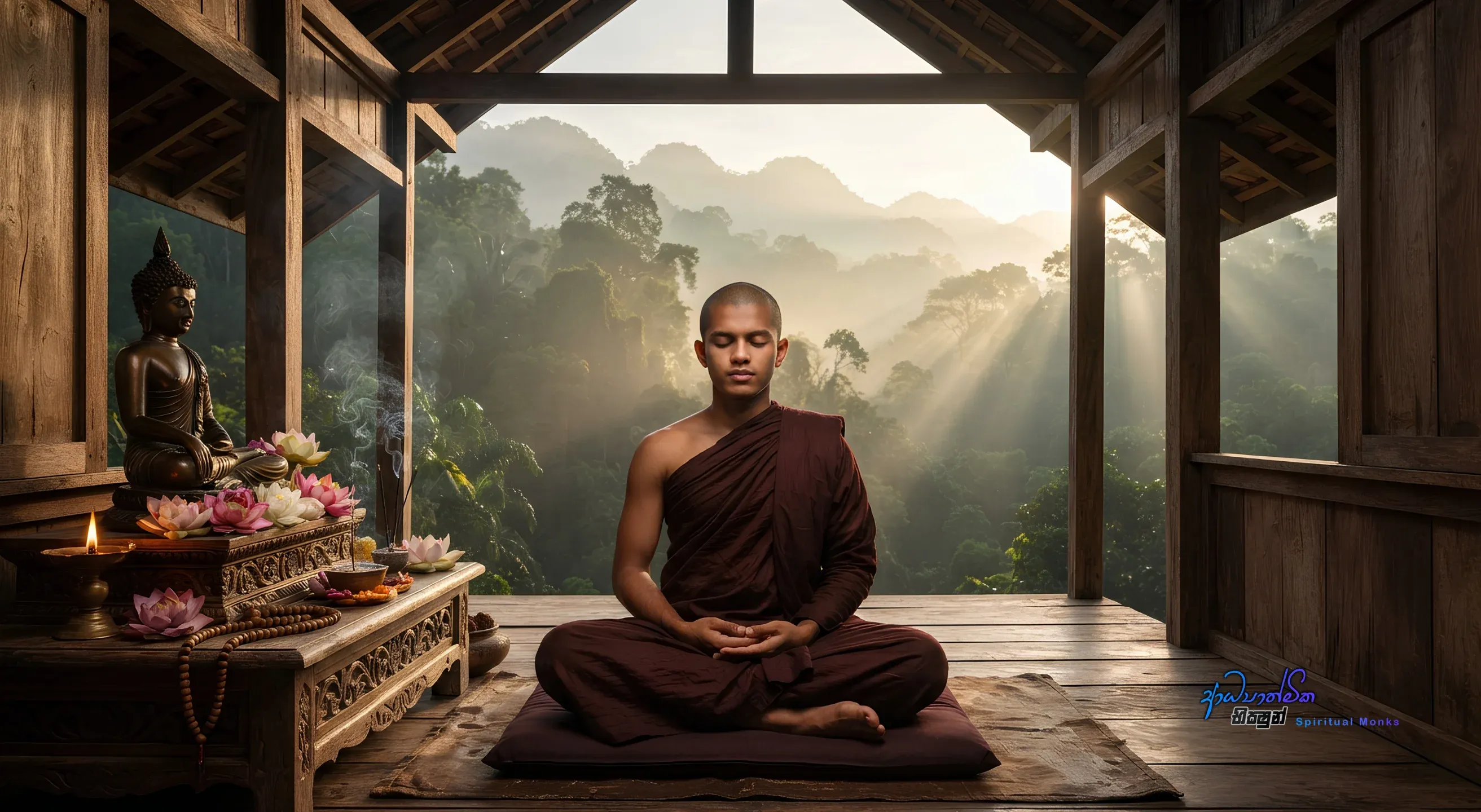
In our journey of inner growth, choosing the right time for spiritual morning meditation can profoundly transform our practice. Many seekers around the world explore calm abiding meditation, known in Pali as Samatha, which refers to tranquil mental concentration that stills the restless mind. Some travel to distant lands or study under accomplished yogis to awaken subtle inner energy centers called chakras or tap into latent energy systems such as Kundalini. Whether one seeks to awaken these subtle subtle energies or quiet the daily stress of life, these efforts represent pathways toward mental stillness.
However, true practice goes beyond gaining energetic experiences. It involves preparing the mind through suitable environmental conditions so that tranquility and inner strength can naturally flourish.

Bridging Tranquility and Insight: Samatha and Vipassana
To build a well-rounded spiritual life, we balance tranquil concentration with deep insight, known as Vipassana, which means seeing reality clearly as it truly is. Through insight, we begin to observe our mind and mental factors, termed Citta and Cetasika in Buddhist psychology, understanding how thoughts and feelings arise and pass away.
This analytical awareness guides us on the noble path toward ultimate liberation, or Nibbana, the complete release from suffering and mental binding. As we contemplate our existence across the endless cycle of rebirth, known as Sansara, we come to recognize the universal law of intentional action and its results, called Kamma and Kamma-phala.
Through regular practice, we gain direct experience of the Four Noble Truths:
- The reality of life's inherent stress and unsatisfactoriness, known as Dukkha.
- The origin of stress rooted in craving and attachment, called Samudaya.
- The complete cessation of stress, termed Nirodha.
- The practical path leading to the freedom from stress, known as Magga.
For anyone seeking to understand these truths deeply, dedicating time to early morning practice provides the necessary clarity.

The Sacred Sacred Hours of Brahma Muhurta
The quiet period between 3:00 AM and 6:00 AM is traditionally recognized as the sacred time of spiritual opportunity, known as Brahma Muhurta, meaning the hour of divine or high spiritual potential. While householders often wake early to start daily chores, prepare tea, or commute, their routine focuses primarily on worldly tasks. While this routine overcomes physical laziness, it rarely nurtures the mind.
In contrast, a spiritual seeker uses these early hours specifically to train awareness. In forest monasteries, monks begin their day during these hours by performing sacred devotional worship, called Buddha Vandana. They pay reverence to the enlightened teacher, the Buddha, the living truth of his teachings, known as the Dhamma, and the community of noble practitioners, called the Sangha. Reciting sacred Pali stanzas for thirty to sixty minutes elevates the heart and sets a pure intention for the rest of the day.
Harnessing Universal Energy and Subtle Elements
During the early morning, subtle forces in nature are particularly active. While some people misunderstand the term universal energy or misapply it for fame and sensational healing, nature indeed possesses real, natural forces. In the Abhidhamma, the higher analytical teachings of Theravada Buddhism, physical reality is explained through foundational elements:
- Earth or solidity, known as Pathavi.
- Water or cohesion, known as Apo.
- Fire or thermal energy, known as Tejo.
- Wind or motion, known as Vayo.
These elements combine with subtle material qualities such as color, smell, taste, and nutritive essence, referred to as Suddhastaka. Western science similarly identifies atoms, protons, and electrons. Whether described in ancient Pali terms or modern physical terms, natural energy surrounds us continuously.
Developing higher intuitive faculties or psychic abilities, known as Panca Abhinna, or awakening the inner spiritual vision often called the Third Eye, can reveal these energies. However, these abilities are merely fruits of concentration and do not equate to ultimate wisdom, known as Panna. True wisdom is the profound intuitive understanding of reality, cultivated over countless lifetimes, reaching its absolute perfection in a fully enlightened Buddha and his noble disciples.

Spiritual Protection and Overcoming Negative Energies
Establishing a regular routine for spiritual morning meditation fills your living space with wholesome spiritual vibration. Negative influences, psychological disturbances, or harmful energies operate best under specific chaotic conditions. Just as a flag remains motionless until the wind blows, negative forces require favorable timing to exert power.
During the pure morning hours, negative energies are naturally weak. When you sit for spiritual morning meditation consistently at the same time and place every day, you establish an impenetrable seal of positive energy in your home, temple room, or altar space. Unwholesome influences and disruptive forces lose their strength and are unable to disturb your peace.

A Monk's Practical Morning Routine and Essential Consistency
The greatest challenge for many practitioners is maintaining long term commitment. Many begin with enthusiasm, practicing for a day or two, only to quit when momentum fades. True transformation requires steady effort over time. Committing to a uninterrupted twenty-one day period of regular practice creates long lasting spiritual momentum.
Consider a monk's daily habit: rising at 3:00 AM, drinking water while reciting protective verses such as Sabbithiyo Vajjantu to express gratitude to nature, followed by an hour of silent meditation. Light exercise or gentle stretching is then performed for ten to twenty minutes, not out of physical vanity, but to maintain bodily health so that meditation can continue without illness.
Following physical care and washing, devotional chanting continues until dawn before going on alms round, known as Pindapata. This disciplined approach keeps both body and mind fit for the spiritual journey.
The Gradual Path: From Aspiration to Practical Action
Spiritual growth is gradual, mirroring the long journey of a future Buddha, known as a Bodhisatta. In the beginning, a Bodhisatta forms the mental wish for enlightenment while making simple offerings at great shrines such as the Ruwanwelisaya stupa. Over vast periods, this internal aspiration matures into heroic physical sacrifices, fulfilling the thirty noble spiritual perfections, known as Paramis.
We cannot expect total spiritual mastery overnight. Even exemplary figures throughout history, such as dedicated martial artists, reserve at least one full hour daily for internal mental cultivation despite demanding schedules.
Mind training requires patience across present life circumstances, called Bhava. Gautama Buddha underwent six years of extreme physical austerity, known as Dukkarakarika, due to a subtle past verbal action, whereas the future Buddha Maitreya will reach enlightenment swiftly after seven days of concentrated effort due to minimal unwholesome past action. Training demands patience, persistence, and continuous effort.

Evening Meditation and Testing Your Spiritual Progress
If your morning schedule is restricted by work or family duties, the quiet night hours between 8:00 PM and midnight offer another excellent opportunity for spiritual practice. During the night, noisy environmental distractions subside, allowing the mind to achieve deep meditative focus, known as Samadhi.
You can test this practically in your own life. Try practicing meditation during mid-day hours, and then compare it with spiritual morning meditation at 3:00 AM or evening meditation at 9:00 PM. Keep a written journal over twenty to thirty days to record your level of stillness. You will notice firsthand that the quiet atmosphere of early morning and late evening dramatically deepens concentration.
Whether practicing peaceful breath awareness, reflection on the qualities of the Buddha, contemplation of body impermanence, or fourfold mindfulness, known as Satipatthana, consistency is the key to reducing mental restlessness and sleepiness.
Living Wisely in the Modern World
Regardless of age or physical condition, anyone can engage in spiritual practice. Elderly or injured individuals can meditate comfortably sitting on a chair or resting against a support, while healthy individuals should sit upright without leaning.
Protect your mind by minimizing time wasted on chaotic social media, idle conversations, and disturbing media reports that inflame greed and anger. Avoid checking digital devices immediately upon waking in the morning. Instead, fill your early hours with wholesome spiritual morning meditation, reflective Dhamma reading, and quiet contemplation.
By carving out dedicated time every day for inner training, you build an enduring sanctuary of peace within your heart.

We invite you to walk this path with us. Read our teachings, and most importantly, apply them practically in your own life. as you practice, questions will naturally arise. Please feel free to share your experiences and questions in the comments below, via email or contact form. I will do my best to offer guidance in future talks based on your progress. For now, begin this practice with an open heart and a mind free from expectation. Cultivate it correctly, and may you find the clarity and peace you seek.
Thank you for joining us. We hope this blog will be of great benefit to your spiritual journey.
May you all be well and happy.
May the blessings of the Triple Gem be with you all!


